

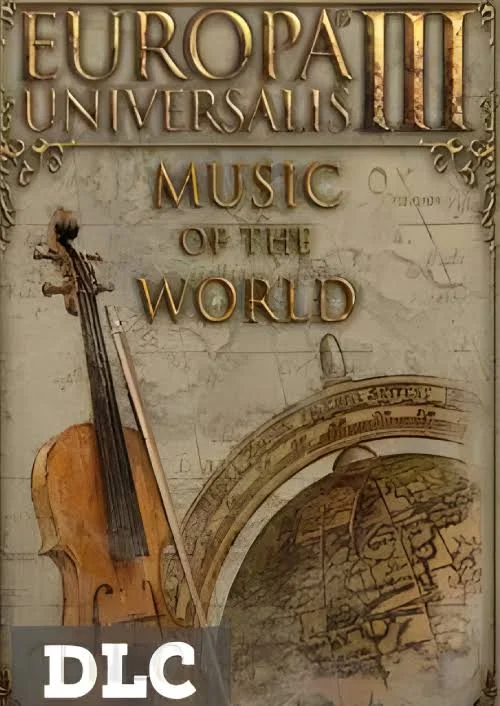
Europa Universalis III – Music of the World DLC Steam CD Key
2 in stock
copies left2 in stock
Sold by: OMG Gamer






Delivery24/7
supportVerified
Sellers

Product Description
Europa Universalis III – Music of the World DLC Steam CD Key
Quck Intro
Europa Universalis III – Music of the World DLC expands the grand strategy experience on PC by enriching the game’s historical atmosphere with a diverse collection of regionally inspired music. Designed for players who enjoy deep strategy, empire building, and long-form political simulation, the DLC enhances how each campaign feels as you guide nations through centuries of change. From diplomatic negotiations to large-scale wars and trade expansion, the soundtrack shifts the tone of your journey across different regions and eras. It doesn’t alter core mechanics, but it adds an extra layer of immersion that supports the game’s detailed world simulation. For returning players or newcomers exploring historical strategy for the first time, it offers a more textured and engaging backdrop to every decision you make.
About
Europa Universalis III – Music of the World DLC is an expansion for the grand strategy PC experience that deepens the game’s historical atmosphere through an immersive, regionally inspired soundtrack. At its core, Europa Universalis III lets you step into the role of a nation’s guiding force, shaping centuries of history through diplomacy, warfare, trade, and exploration. This DLC doesn’t change the mechanics of empire-building but enhances how it feels to live through them, adding emotional depth to every decision as the world evolves around you.
In the main game loop, players manage nations across vast timelines, balancing internal development with external pressure. You’ll negotiate alliances, declare wars, expand trade networks, and respond to shifting global powers, all while watching your territory and influence grow or collapse based on long-term strategy. The Music of the World DLC supports this experience by introducing culturally varied musical themes that respond to different regions and eras, making each campaign feel more grounded and distinct as you move across continents and centuries.
What sets this experience apart from other strategy titles is its scale of historical simulation combined with attention to atmosphere. While many games focus purely on systems and outcomes, Europa Universalis III emphasizes how it feels to guide a civilization through uncertainty, where every choice carries weight over time. The soundtrack strengthens this identity, subtly reinforcing the mood of exploration, tension, and expansion without distracting from gameplay.
This DLC is best suited for players who enjoy deep, thoughtful strategy games, whether they prefer slow, methodical planning or long-form historical storytelling. Fans of grand strategy, political simulation, and empire management will appreciate how it enhances immersion without altering complexity.
For players who want their campaigns to feel more alive and emotionally connected to the world they’re shaping, Music of the World adds a quiet but meaningful layer. It’s a reminder that every empire has its own rhythm, and every decision echoes through history in ways you can hear as much as you can see.
Key Features
Europa Universalis III – Music of the World DLC adds a layered audio experience to the core grand strategy gameplay, enriching long campaigns with regionally inspired music that changes as you expand across the world. It works alongside the base game’s political, economic, and military systems, reinforcing the feeling of steering a nation through centuries of change without altering core mechanics.
Each region features distinct musical themes designed to reflect cultural identity, helping players recognize shifts in geography and era even while focused on map-based strategy, diplomacy, and warfare.
Players spend most of their time managing nations, negotiating alliances, expanding trade routes, and responding to dynamic historical events, while the soundtrack subtly adapts to reinforce tension or stability in different regions.
The DLC does not change progression systems or balance but increases immersion, making long play sessions feel more connected and emotionally grounded as empires rise, fall, and evolve over time.
Ideal for players who enjoy deep grand strategy games on PC, especially those who appreciate historical simulation, slow-burn decision making, and long-term strategic planning.
It supports replayability by enhancing atmosphere across multiple campaigns, where different nations and regions naturally create varied listening experiences tied to player choices.
Rather than overwhelming the player, the music acts as a subtle layer of feedback, reinforcing the identity of each region while you navigate complex systems of diplomacy, warfare, and economic growth. It is a small but meaningful addition for players who want a more immersive historical grand strategy experience, where sound design quietly supports the unfolding story of global power and change. Across extended sessions, it helps maintain focus and atmosphere without distracting from the strategic depth that defines Europa Universalis III. Players experience a more cohesive world as audio and gameplay work together in subtle, continuous harmony through every single campaign session.
Gameplay
Europa Universalis III – Music of the World DLC sits on top of the grand strategy gameplay of Europa Universalis III, a PC historical simulation where players guide a nation through centuries of political change, warfare, and expansion. The core gameplay revolves around managing a country on a detailed world map, issuing strategic decisions that shape diplomacy, economy, and military power over time. While this DLC does not alter mechanics, it enhances how every action feels through a dynamic, region-inspired soundtrack that shifts with your campaign’s geography and era.
In the main gameplay loop, players alternate between pausing and progressing time to make decisions that influence their nation’s growth. You will negotiate alliances, declare wars, manage trade routes, and respond to shifting global events while watching borders expand or collapse. Exploration and map control remain central, with fog-of-war revealing new opportunities as your influence spreads. The Music of the World DLC complements this cycle by reinforcing regional identity through sound, helping players feel the difference between continents and cultures without interrupting strategic focus or depth.
This expansion also ties into progression systems such as technology advancement, economic development, and military strengthening, which unfold gradually over long campaigns. Player choice remains central, with different nations offering unique starting positions and strategic challenges. Whether focusing on expansion, diplomacy, or trade dominance, each playstyle creates a different rhythm of play, now subtly supported by evolving musical themes. The result is a more immersive experience where long-term strategy and atmosphere work together across every decision you make.
Multiplayer campaigns extend the experience with human-driven diplomacy and rivalry, while replayability comes from experimenting with different nations and long-term strategies. The DLC’s soundtrack ensures each session feels distinct, making extended playthroughs more engaging as history unfolds differently every time you start a new campaign overall experience
Story & World
Europa Universalis III – Music of the World DLC is set within the sweeping canvas of early modern Earth, a period where kingdoms rise, empires expand, and the balance of global power is constantly shifting. The game’s world spans continents connected by trade routes, wars, exploration, and diplomacy, capturing a time when modern nations were still being shaped through centuries of conflict and cooperation. It is not a fictional universe, but a historically grounded reconstruction of our own world between the late Middle Ages and the dawn of the modern age, where every region carries its own political identity, cultural rhythm, and evolving ambitions.
At the center of this experience is the player’s role as the guiding force of a nation. You are not a visible character in the world, but an influence that shapes the direction of entire states across generations. From European kingdoms competing for dominance, to vast Asian empires managing internal stability, to emerging colonial powers expanding across oceans, the world reacts dynamically to shifting alliances and long-term historical pressure. Borders change, economies rise and fall, and cultures interact in ways that reflect the complexity of global history.
The addition of the Music of the World DLC enhances this historical setting by deepening its emotional atmosphere. Each region is accompanied by music inspired by its cultural and geographical identity, reinforcing the sense that you are moving through distinct parts of a living, breathing world. As your campaigns progress and your influence extends across different regions, the soundtrack subtly shifts, reflecting the changing environments and political landscapes you encounter. This creates a more grounded sense of place, where audio becomes part of how the world communicates its identity.
What makes this world feel unique is its scale and continuity. It is not a static backdrop, but a long unfolding timeline where every nation is part of a larger global system. Even without focusing on specific events, the world tells a story through its evolution. Empires expand into unfamiliar territories, trade networks connect distant cultures, and regional powers rise to challenge established dominance. The atmosphere is shaped by uncertainty and ambition, where no outcome is guaranteed and history is always in motion.
Different regions of the world feel distinct not only in geography but in tone. Europe feels politically dense and competitive, with closely interacting states. The Middle East and North Africa reflect crossroads of trade and cultural exchange. Asia presents vast, powerful empires with deep historical continuity. These differences are not just visual or strategic, but now reinforced through music that reflects each region’s identity, adding a subtle narrative layer to exploration and expansion.
As time progresses, the world gradually transforms. Old alliances fade, new powers emerge, and long-standing borders are redrawn through diplomacy or conflict. The player experiences this transformation indirectly, through the shifting balance of global influence and the changing tone of the world itself. The Music of the World DLC strengthens this sense of historical progression, making each stage of the timeline feel distinct and emotionally resonant.
In the end, the world of Europa Universalis III is defined by its scale, its historical depth, and its sense of continuity across centuries. With the added musical layer, it becomes easier to feel the passage of time and the identity of each region, creating a more immersive and memorable historical strategy experience that stays with the player long after each campaign ends.
Game Modes
Europa Universalis III – Music of the World DLC does not introduce new game modes on its own, but it enhances every existing way the grand strategy experience can be played, making each session feel more atmospheric and immersive regardless of how you choose to engage with the game. At its core, Europa Universalis III is built around a deep single-player campaign mode where you guide a nation through centuries of political evolution, economic development, and military expansion. This remains the primary way most players experience the game, offering a slow, thoughtful pace that rewards long-term planning and strategic decision-making.
In single-player campaigns, you can choose any nation on the historical map and shape its destiny over time. Whether you focus on diplomacy, trade dominance, or military conquest, the experience adapts to your decisions and creates a highly replayable sandbox structure. The DLC enhances this mode by subtly shifting musical themes based on region and progression, helping each campaign feel more distinct and emotionally grounded as the world changes around you.
Multiplayer mode offers a different kind of experience, where real players take control of competing nations within the same historical world. Here, diplomacy becomes unpredictable, alliances shift dynamically, and long-term strategy must account for human behavior rather than scripted systems. The Music of the World DLC adds an extra layer of immersion in these sessions, reinforcing regional identity even during intense negotiations or large-scale conflicts.
There are also shorter, more focused campaign setups and scenario-based starts designed for players who prefer targeted historical situations or faster strategic sessions. These are ideal for experimenting with different nations or learning core mechanics without committing to a full centuries-long campaign.
Across all modes, replayability comes from the sheer variety of nations, starting conditions, and emergent outcomes. No two campaigns unfold the same way, and the added musical variety ensures that each playthrough carries its own tone and atmosphere, making familiar systems feel fresh every time you return.
Visuals & Art Style
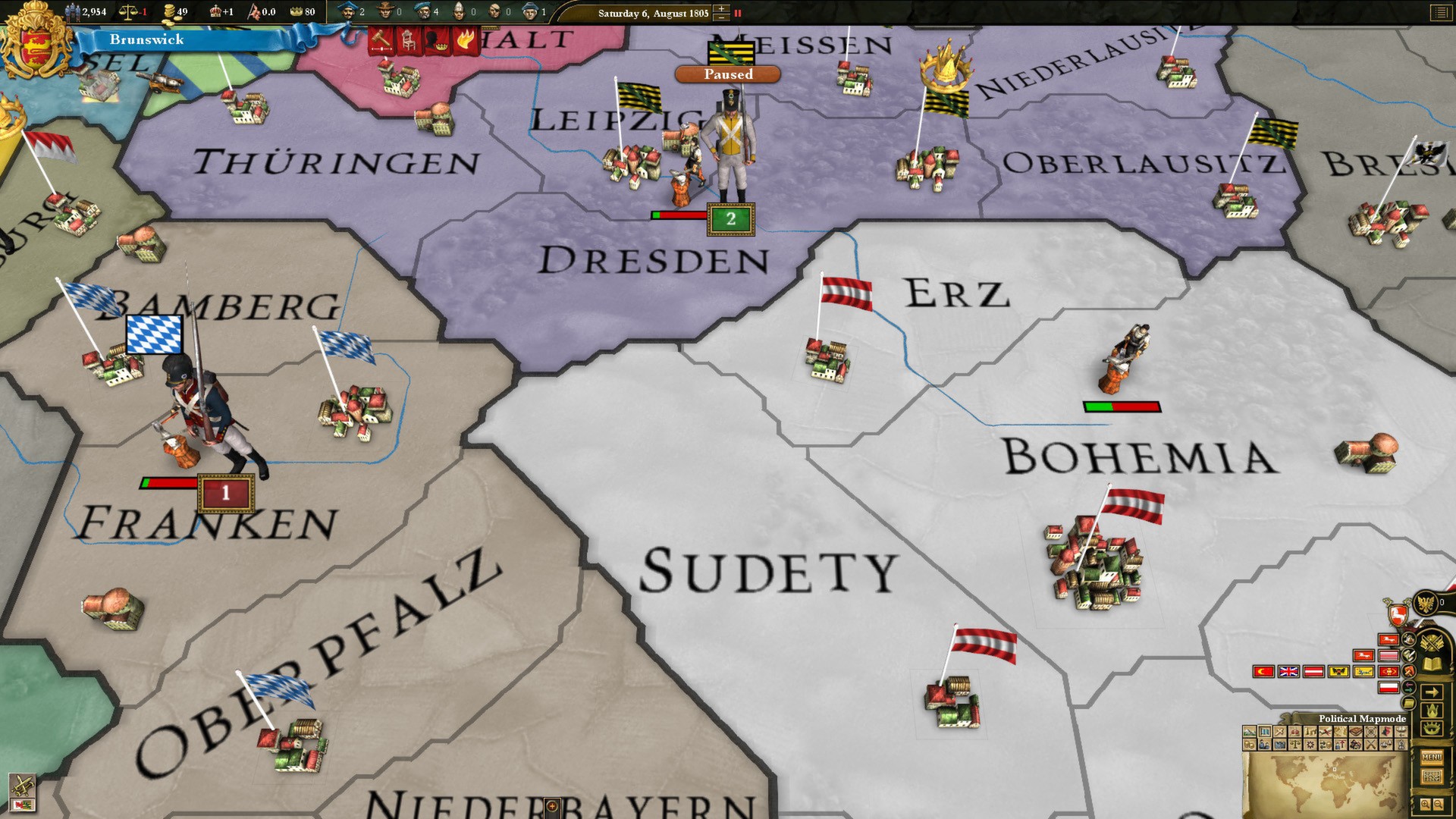
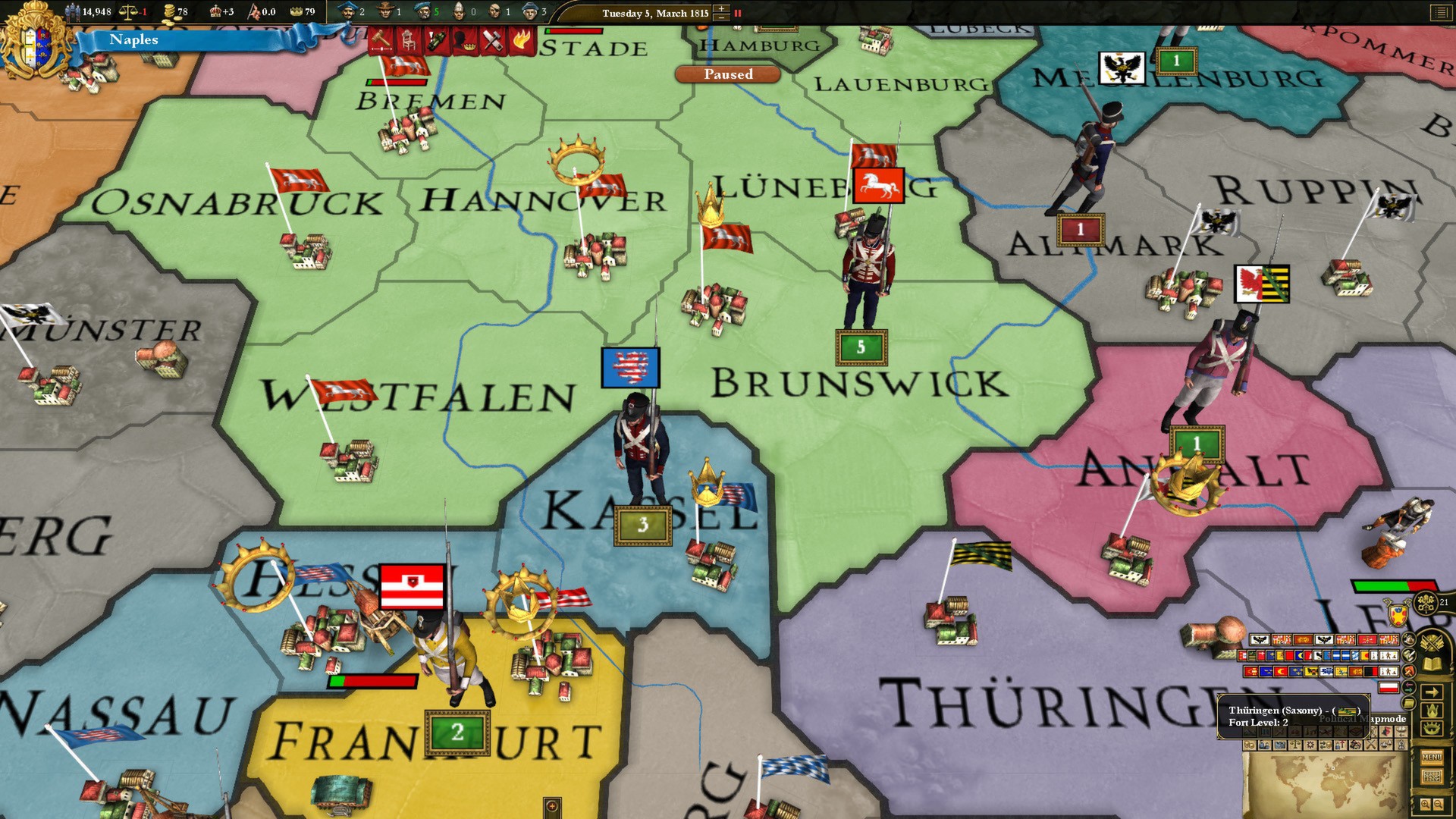
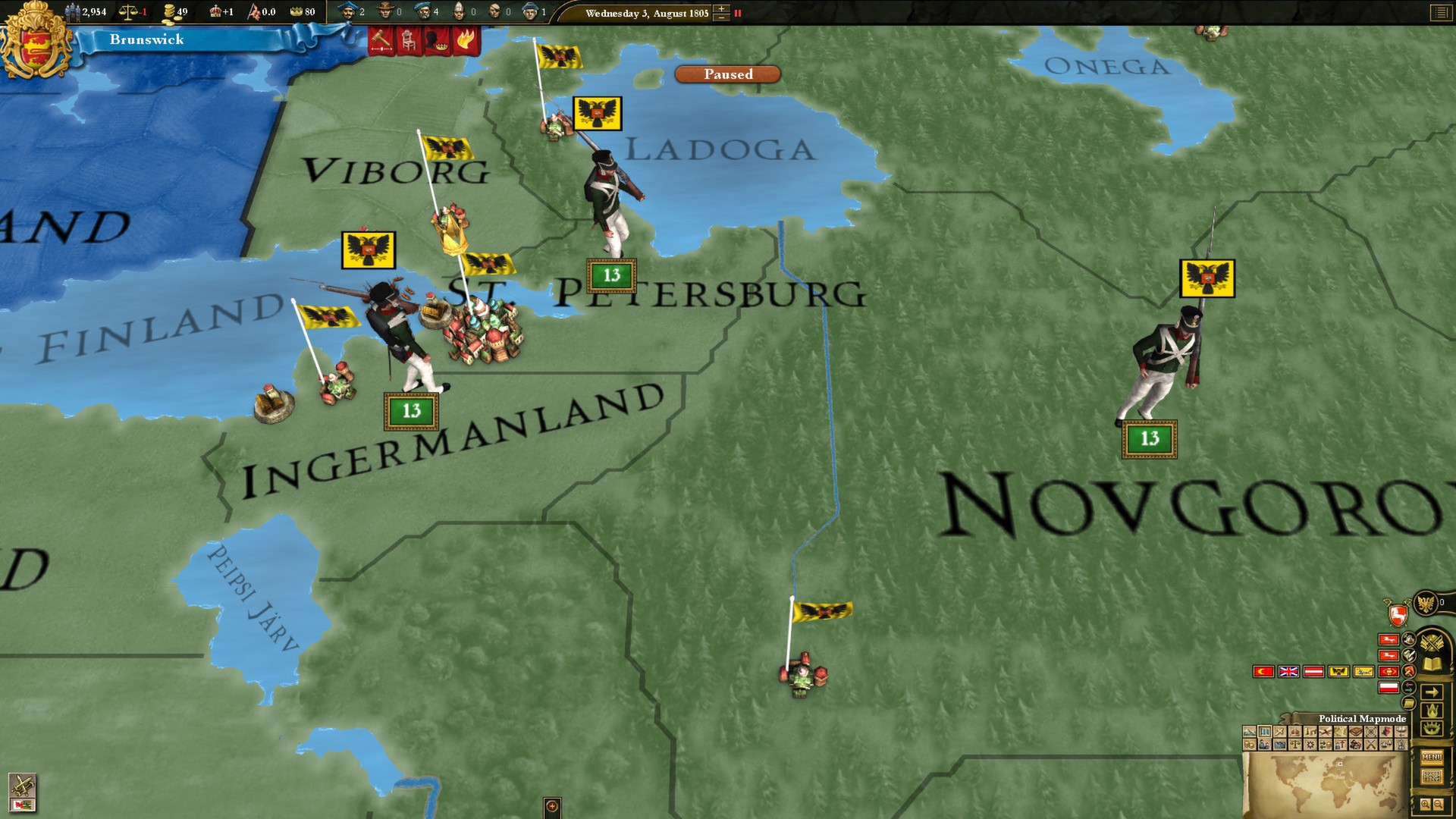
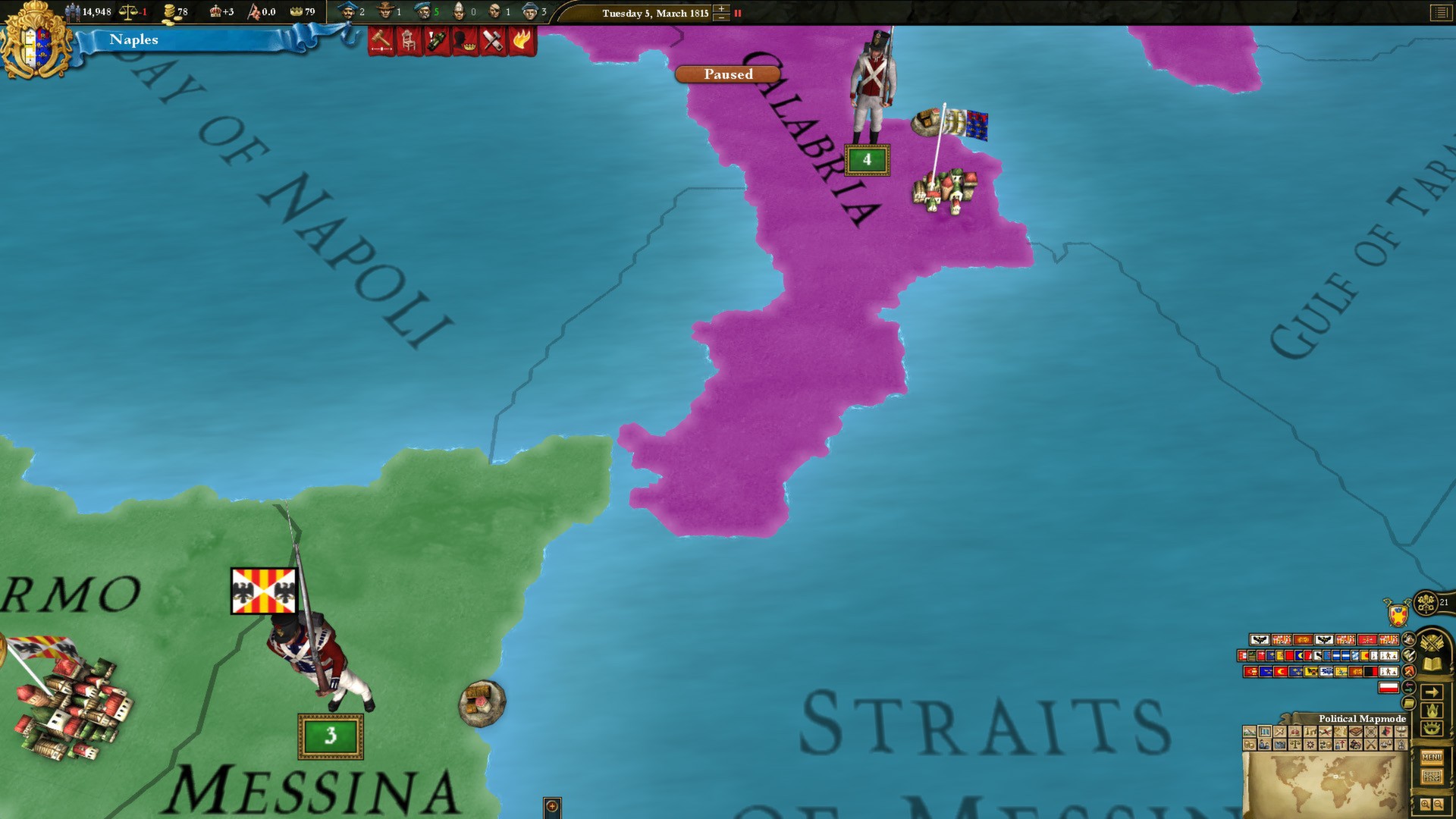
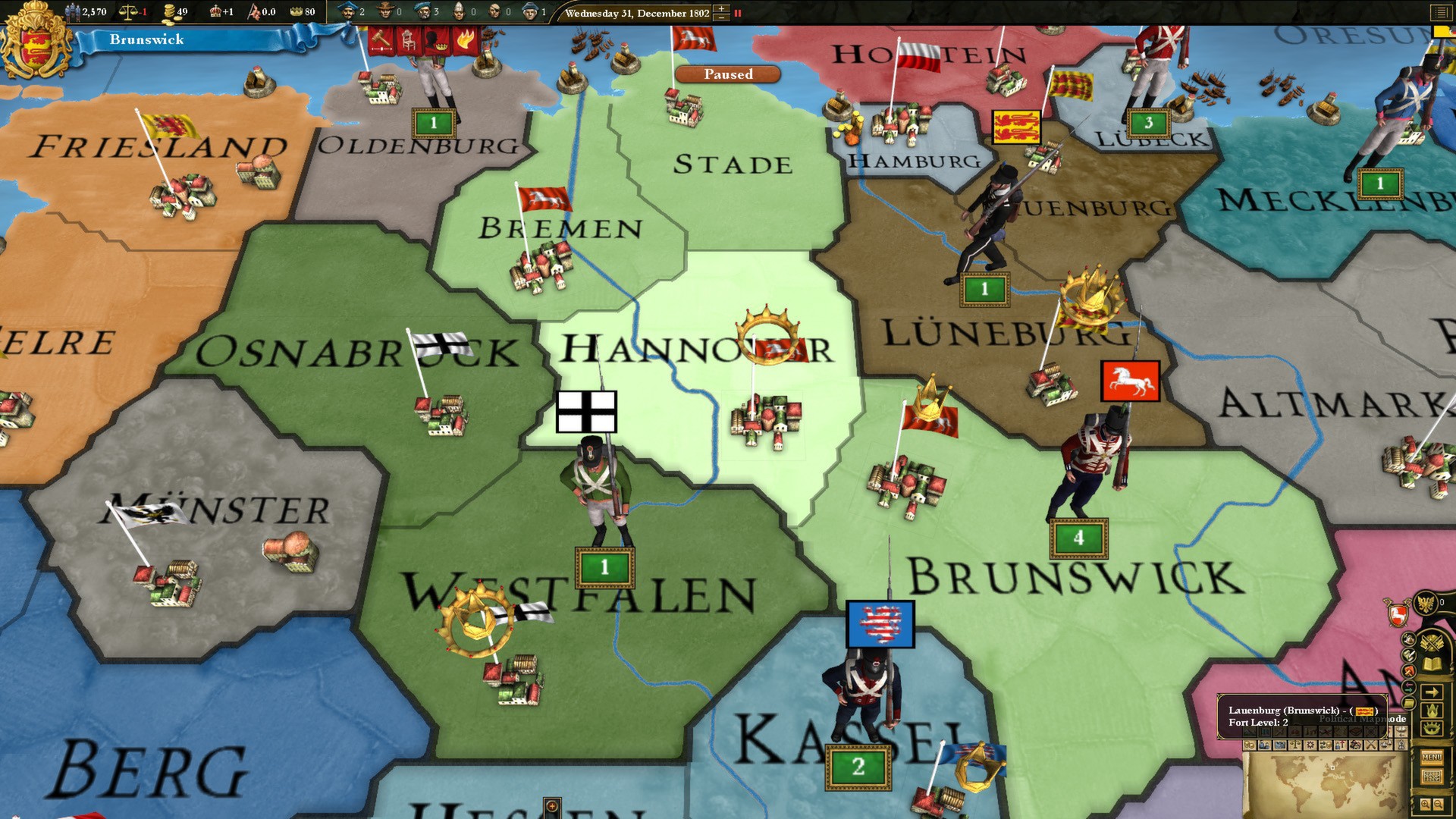
Europa Universalis III – Music of the World DLC presents a visual identity rooted in clarity, scale, and historical authenticity, where the map itself becomes the central stage of the experience. The game uses a clean, functional art direction that prioritizes readability while still capturing the texture of a living world. From the moment you zoom out, the globe feels like a shifting tapestry of nations, borders, and trade routes, each rendered with subtle color variations that help distinguish political influence without overwhelming the eye.
The color palette leans into muted earth tones for landmasses, contrasted with soft ocean blues and layered territorial highlights that change as empires expand or contract. This restrained approach keeps the focus on strategy while still allowing the world to feel alive and reactive. As time progresses, you see borders evolve smoothly across the map, giving a sense of historical momentum that unfolds naturally rather than abruptly.
Lighting and atmospheric effects are understated but effective, with seasonal shifts and regional shading helping to reinforce geographic identity. Mountain ranges, deserts, forests, and coastlines are not just background details but functional visual cues that support navigation and strategic planning. Cities and provinces gain subtle visual prominence as they develop, reflecting growth without breaking the grounded historical tone.
The Music of the World DLC adds an additional layer to this presentation by pairing visual regions with culturally inspired audio themes, strengthening the emotional connection between what players see and what they hear. While the visuals remain consistent in style, the changing soundtrack makes each region feel more distinct, almost as if the world is quietly expressing its own identity through both sight and sound.
What sets the visual approach of Europa Universalis III apart is its focus on macro-level storytelling. Instead of cinematic character close-ups or flashy effects, the game communicates drama through shifting borders, expanding influence, and long-term transformation of the world map itself. It is a visual language built around consequence and change, where the most powerful moments are often seen in the slow redraw of history across a living, strategic canvas.
Technical Requirements
Europa Universalis III – Music of the World DLC runs on the same established PC framework as the base grand strategy game, meaning its system demands remain modest by modern standards. It is designed primarily for Windows PC, with the broader Europa Universalis III experience also being playable on macOS and Linux systems through compatibility layers or community-supported solutions depending on setup. Because this DLC focuses on enhanced music and atmosphere rather than new graphical systems, it does not significantly affect performance requirements or hardware load.
On a typical modern or even older PC, players can expect stable performance with smooth map navigation, even during large late-game campaigns where multiple nations and systems are active at once. The game scales well across hardware tiers, running comfortably on lower-end machines while still benefiting from higher-end systems through faster loading times, smoother zoom transitions, and more responsive interface performance during complex strategic decisions. Frame rate is generally stable due to the map-based design, with performance influenced more by simulation speed than visual rendering demands.
Controls are centered around keyboard and mouse input, designed for precision and quick access to layered menus, maps, and strategic overlays. The interface is highly customizable, allowing players to adjust hotkeys and manage information density based on personal preference. While there is no native controller focus, the UI remains accessible for different play styles due to its structured, point-and-click design.
In terms of accessibility, the game includes scalable interface options, readable text scaling, and adjustable audio settings that allow players to balance music, effects, and interface sounds. Subtitles and informational tooltips help new players understand complex systems without overwhelming them, while difficulty settings let users tailor the challenge level to their preferred strategic depth.
Overall, the Music of the World DLC does not alter technical performance but enhances the sensory experience, adding an atmospheric layer without increasing system strain. It is built to run reliably across a wide range of PCs, making it accessible for both long-time grand strategy fans and new players exploring historical simulation gameplay for the first time.
Who Is This Game For?
Europa Universalis III – Music of the World DLC is best suited for players who enjoy slow-burn, thoughtful strategy games where decisions carry long-term consequences rather than immediate action. It appeals strongly to fans of grand strategy and historical simulation experiences, especially those who like managing nations, shaping political landscapes, and watching systems evolve over extended campaigns. If you enjoy games where planning matters more than reflexes, and where every session feels like you are writing an alternate version of history, this is a comfortable fit.
This DLC in particular will resonate with players who already appreciate Europa Universalis III or similar strategy titles and want a deeper sense of immersion rather than new mechanics. The enhanced regional music helps create a more atmospheric experience, making long single-player campaigns feel more grounded and emotionally varied. It suits players who value pacing, focus, and the satisfaction of gradually building or sustaining an empire over time, rather than fast-paced competitive gameplay.
Multiplayer-focused strategy players will also find value here, especially those who enjoy diplomacy, negotiation, and unpredictable human-driven outcomes. The experience becomes more dynamic when other players are involved, and the added audio identity of regions subtly enhances the feeling of operating within a living, reactive world.
At the same time, this may not be ideal for players looking for instant action, fast progression, or highly guided storytelling. The learning curve of Europa Universalis III can feel dense for newcomers, and the DLC does not simplify that complexity. Instead, it enriches the atmosphere for those already comfortable with systems-driven gameplay and long-form strategic thinking.
Casual players who enjoy history, world-building, or relaxing management-style experiences may still appreciate the game if they are willing to invest time in learning its systems. However, the real appeal lies with players who enjoy depth, replayability, and the freedom to experiment with different nations and strategies across multiple campaigns. It is a game for those who find satisfaction in patience, planning, and watching long-term consequences unfold across a detailed historical world.
FAQ
What kind of game is Europa Universalis III – Music of the World DLC?
It is a DLC for a grand strategy PC game focused on historical nation-building, diplomacy, warfare, and long-term political simulation. This expansion specifically enhances the experience by adding regionally inspired music that deepens immersion during gameplay, rather than changing core mechanics.
Do I need the base game to play this DLC?
Yes, this DLC requires Europa Universalis III to function. It is not a standalone game and is designed to enhance the atmosphere of existing campaigns in the base strategy experience.
What does the gameplay feel like overall?
The core experience is slow-paced and strategic, where you manage a nation over centuries. You handle diplomacy, trade, military planning, and expansion while watching the world evolve through your decisions. The DLC adds emotional depth through music that reflects different regions and historical settings.
Is it single-player or multiplayer?
Both are supported in the base game. You can enjoy long single-player campaigns focused on personal strategy, or multiplayer sessions where diplomacy and competition with real players create unpredictable outcomes.
What platforms does it support?
Europa Universalis III is primarily available on PC, including Windows, with broader compatibility on macOS and Linux depending on setup. The DLC follows the same platform availability as the base game.
How demanding is it on PC?
The game is lightweight by modern standards. It runs smoothly on most systems, even lower-end PCs, since it relies more on map-based simulation than heavy graphics. The DLC does not increase system requirements.
Is the game beginner-friendly?
It has a learning curve, especially for new players to grand strategy games. However, once understood, it becomes highly rewarding due to its depth and freedom of choice.
Does it offer replay value?
Yes, very high replay value. Different nations, strategies, and starting conditions create unique long-term campaigns each time you play.
FAQ
Operating System (OS)
Other Details

Languages



Reviews
There are no reviews yet.