

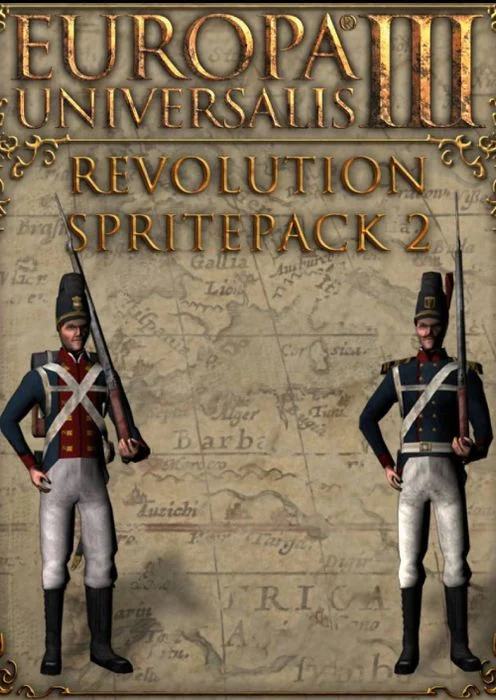
Europa Universalis III – Revolution II Unit Pack DLC Steam CD Key
2 in stock
copies left2 in stock
Sold by: OMG Gamer






Delivery24/7
supportVerified
Sellers

Product Description
Europa Universalis III – Revolution II Unit Pack DLC Steam CD Key
Quck Intro
Europa Universalis III – Revolution II Unit Pack DLC expands the grand strategy experience of the base game by focusing on the visual and historical depth of military units across key European powers. Set within the complex political and economic systems of Europa Universalis III, this DLC enhances how wars and empires feel on the map without changing the core mechanics. Players continue guiding nations through centuries of diplomacy, colonization, trade, and conflict, but with redesigned unit models that reflect historical eras more vividly. Each army now carries a stronger sense of identity as you manage expansion, alliances, and survival in a constantly shifting world. For fans of detailed strategy gameplay and historical immersion, this pack adds an extra layer of authenticity that complements long-term campaign planning and nation-building decisions, making each conflict feel more grounded and visually distinct as your empire evolves over time.
About
Europa Universalis III – Revolution II Unit Pack DLC is a visual enhancement add-on for the grand strategy experience of Europa Universalis III, designed to deepen the historical atmosphere of large-scale empire management. Set in the early modern world of shifting borders, diplomacy, and warfare, the DLC does not change the core mechanics but enriches how military forces appear on the map. Players continue to take control of a nation and guide it through centuries of political maneuvering, economic development, exploration, and conflict, where every decision shapes long-term outcomes.
At its core, the experience of Europa Universalis III revolves around managing a living, evolving world. You balance diplomacy with rival states, negotiate alliances, control trade routes, expand territories, and lead armies into strategic battles. The gameplay loop is built around long-term planning, where each in-game year brings new opportunities and risks, and every action can influence the stability and power of your empire. This DLC adds another layer to that journey by giving armies more distinct and historically inspired unit designs, making conflicts feel more grounded and visually readable during intense campaigns.
What makes this experience stand out in the grand strategy genre is its focus on depth and consequence. Unlike faster strategy games, it encourages patience, foresight, and adaptation across decades of in-game history. Every nation develops differently depending on your decisions, and the world reacts dynamically to shifting power structures. Players who enjoy slow-burn strategy, historical simulation, and systems-driven gameplay will find the most satisfaction here, especially those who appreciate immersion over fast action.
This DLC appeals most to strategy enthusiasts who value historical authenticity and long campaign progression. It subtly enhances the sense of identity between nations without disrupting the established gameplay flow, making long sessions feel more visually engaging and thematically consistent.
For players who enjoy shaping history one decision at a time, this expansion adds a refined visual touch that brings greater life to every conflict and campaign across the centuries.
Key Features
Europa Universalis III – Revolution II Unit Pack DLC is a visual enhancement for a grand strategy game centered on guiding nations through centuries of political, economic, and military change. While it does not alter core mechanics, it refines how armies are presented, making large-scale campaigns feel more grounded and historically textured.
Players continue to experience deep nation management, where every decision affects long-term development. You handle diplomacy with rival states, negotiate alliances, control trade networks, expand borders, and manage internal stability. The gameplay loop is built around planning across decades, where careful timing and strategic thinking matter more than fast reactions.
The unit pack introduces redesigned military visuals for select European powers, giving armies a more distinct identity on the map. This helps players better recognize factions during wars and adds clarity to large conflicts involving multiple nations. Battles remain driven by the original strategic systems, but the visual variety improves readability and immersion during extended campaigns.
What sets Europa Universalis III apart in the grand strategy genre is its focus on long-form historical simulation. The world evolves dynamically based on player actions and AI behavior, creating unpredictable political landscapes. Every campaign unfolds differently, with shifting alliances, emerging powers, and collapsing empires shaping the experience.
The game appeals most to strategy-focused players who enjoy slow, thoughtful gameplay. It is designed for those who value systems-driven decision-making, historical depth, and long-term progression rather than quick victories or scripted outcomes. The experience rewards patience and adaptability as you guide a nation through changing eras.
Replayability is naturally high, as no two campaigns develop in the same way. Different nations, starting conditions, and player choices create new strategic challenges each time you begin. Over time, players learn how small decisions can influence entire regions.
This DLC adds subtle but meaningful visual variety to that experience, making long campaigns feel more alive, clearer in conflict, and richer in historical atmosphere.
Gameplay
Europa Universalis III – Revolution II Unit Pack DLC is a visual enhancement for the grand strategy gameplay of Europa Universalis III, where players guide a nation through centuries of political, economic, and military development. While the core mechanics remain focused on deep strategy systems, this pack improves how armies appear during large-scale campaigns.
The main gameplay loop revolves around long-term nation management, where you balance diplomacy, trade, warfare, and internal stability. Players issue strategic decisions on a world map, form alliances, negotiate treaties, expand territory, and engage in tactical wars that unfold over decades rather than minutes.
Combat is not real-time action but a system-driven simulation where unit composition, terrain, leadership, and technology influence outcomes, making planning more important than speed. As campaigns progress, nations evolve through research, economic growth, and expansion, unlocking new capabilities that change how you approach diplomacy and warfare.
The experience supports both solo play and multiplayer, allowing different styles of competition or cooperation depending on how players choose to interact. Over time, replayability comes from dynamic world states, unpredictable alliances, and varied starting nations, ensuring no two campaigns unfold the same way.
While the Revolution II Unit Pack does not change gameplay systems, it enhances visual clarity and immersion, helping players better read large battles and identify factions during complex wars.
For players who enjoy slow-burn strategy, historical simulation, and deep player-driven outcomes, Europa Universalis III offers a layered experience where patience and planning shape success. The DLC adds a subtle but meaningful visual upgrade that supports long campaign readability without altering core strategic depth. Each session becomes a study in evolving empires, where visual improvements help you stay focused on decisions that shape centuries of history across shifting political landscapes and unpredictable global conflicts over time in every campaign you play through campaigns.
Story & World
Europa Universalis III – Revolution II Unit Pack DLC is set within the broader historical world of Europa Universalis III, a grand strategy experience that spans the early modern period when nations were being shaped by ambition, conflict, exploration, and political transformation. The DLC itself does not alter the narrative or introduce new story content, but it enhances how the world visually communicates its historical identity, especially through the representation of military forces that reflect different European powers during a time of rapid change.
The world of Europa Universalis III is not told through a single character or linear storyline. Instead, it unfolds as a living historical simulation where the player becomes the guiding force behind an entire nation. You step into the role of a ruler, advisor, or unseen strategist shaping the destiny of a country over centuries. The world reacts dynamically to every decision, creating a sense that history is not fixed but constantly rewritten through diplomacy, war, and expansion.
This setting captures a period defined by exploration, colonization, religious tension, and the rise and fall of empires. Europe stands at the center of shifting power struggles, but regions across Africa, Asia, and the Americas also evolve as global influence spreads. The atmosphere is one of uncertainty and ambition, where borders are never permanent and alliances can shift with little warning. Every nation carries its own cultural identity, political structure, and strategic priorities, making the world feel diverse and interconnected rather than static.
What makes this world feel unique is its scale and responsiveness. Instead of following a scripted narrative, players witness an unfolding timeline shaped by countless interacting systems. Major historical powers may rise or collapse differently depending on decisions made across decades, while smaller nations can unexpectedly grow into influential empires. The sense of agency is indirect but powerful, as the world reflects long-term consequences rather than immediate reactions.
The Revolution II Unit Pack adds a subtle but meaningful layer to this atmosphere by refining how military units appear on the map. These visual changes help distinguish different nations during conflicts, reinforcing their cultural and historical identity without altering the underlying systems. As wars unfold, the improved unit designs contribute to a clearer and more immersive reading of large-scale battles, making the shifting balance of power easier to understand at a glance.
There is a quiet narrative depth in how the world responds to the player’s presence. It is not a story told through dialogue or cutscenes, but through evolving political landscapes, expanding trade networks, and the constant tension between stability and collapse. Every campaign becomes a personal version of history, shaped by decisions that ripple across continents and generations.
This is a world built for players who enjoy observing systems unfold over time, where patience and long-term thinking reveal the most interesting outcomes. The DLC enhances that experience by strengthening the visual identity of the era, helping the world feel more grounded, readable, and alive as empires rise, clash, and redefine history under your guidance.
Game Modes
Europa Universalis III – Revolution II Unit Pack DLC sits within a grand strategy framework that is primarily driven by sandbox-style and campaign-based play rather than fixed story modes. The experience is built around a single, continuous campaign where you choose a nation and guide it through centuries of political change, economic growth, and military conflict. This structure is ideal for players who enjoy long-form, open-ended strategy where outcomes are shaped by decisions rather than scripted events.
The main single-player mode focuses on deep historical simulation. Here, you manage diplomacy, trade, warfare, and internal stability at your own pace, watching the world evolve dynamically around your choices. There is no linear path, which means each campaign plays differently depending on the nation you select and the strategies you pursue. This makes it especially appealing for players who enjoy thoughtful planning, experimentation, and replaying different historical scenarios.
Multiplayer mode brings a different kind of intensity to the experience. Players can take control of different nations in the same world and interact through alliances, rivalries, and large-scale wars. Unlike fast-paced competitive games, the focus here is on long-term diplomacy and strategic patience. Sessions can unfold over extended periods, making every negotiation and conflict feel meaningful as human players introduce unpredictability into the historical simulation.
There are also custom game setups that let players adjust starting conditions, map choices, and difficulty balance, offering a more tailored experience. This flexibility supports both newcomers who want a slower learning curve and experienced strategy players looking for more complex challenges. The Revolution II Unit Pack DLC itself does not add new modes, but it enhances all existing ones visually by improving how military units appear during gameplay, making large-scale campaigns easier to read and more immersive.
Across all modes, the core appeal remains the same: shaping a nation’s destiny over time in a world that constantly reacts to your decisions. Whether playing solo for deep strategic immersion or multiplayer for unpredictable political encounters, the game supports a wide range of playstyles while maintaining a consistent focus on long-term thinking, replayability, and evolving global narratives.
Visuals & Art Style
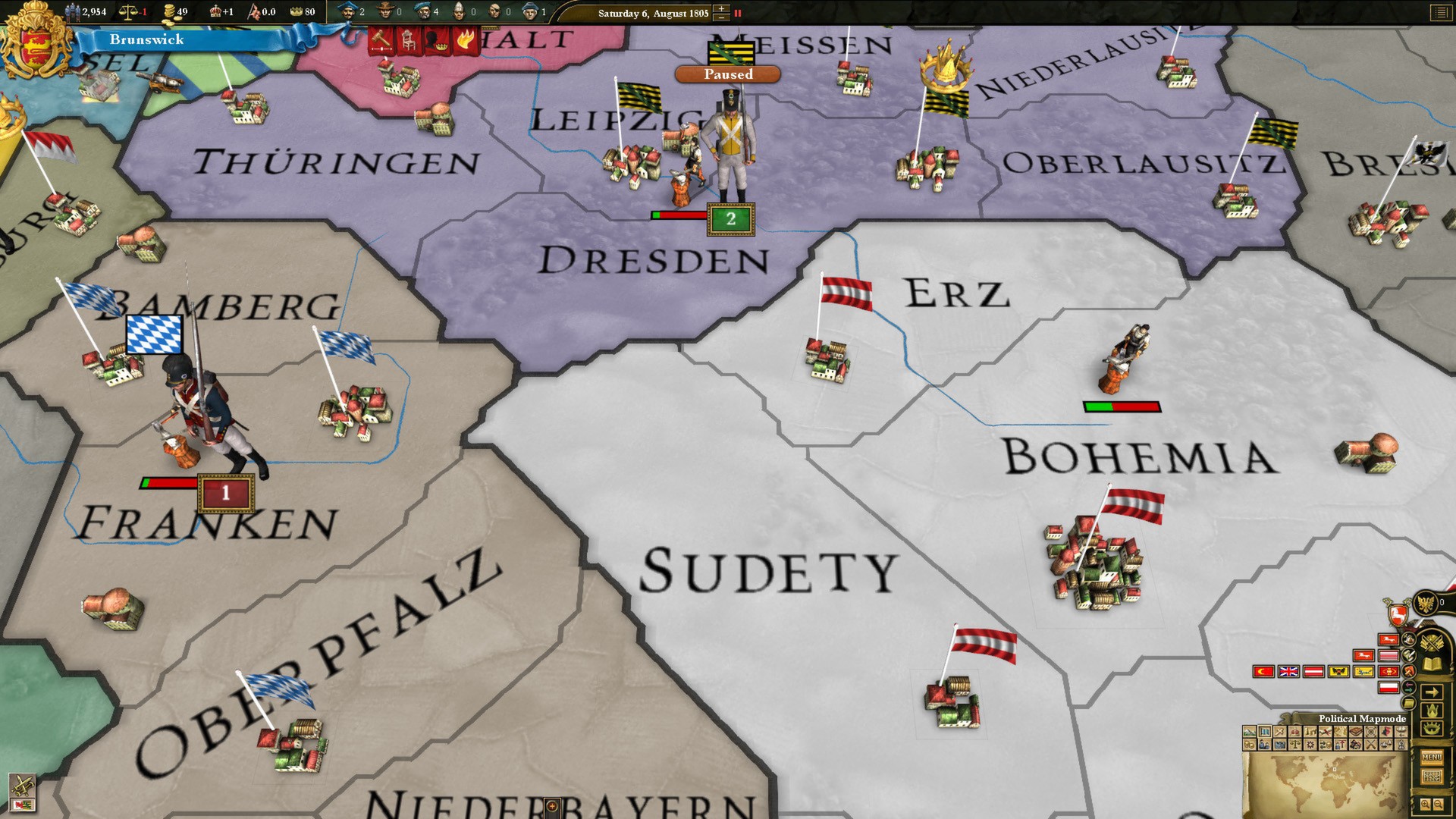
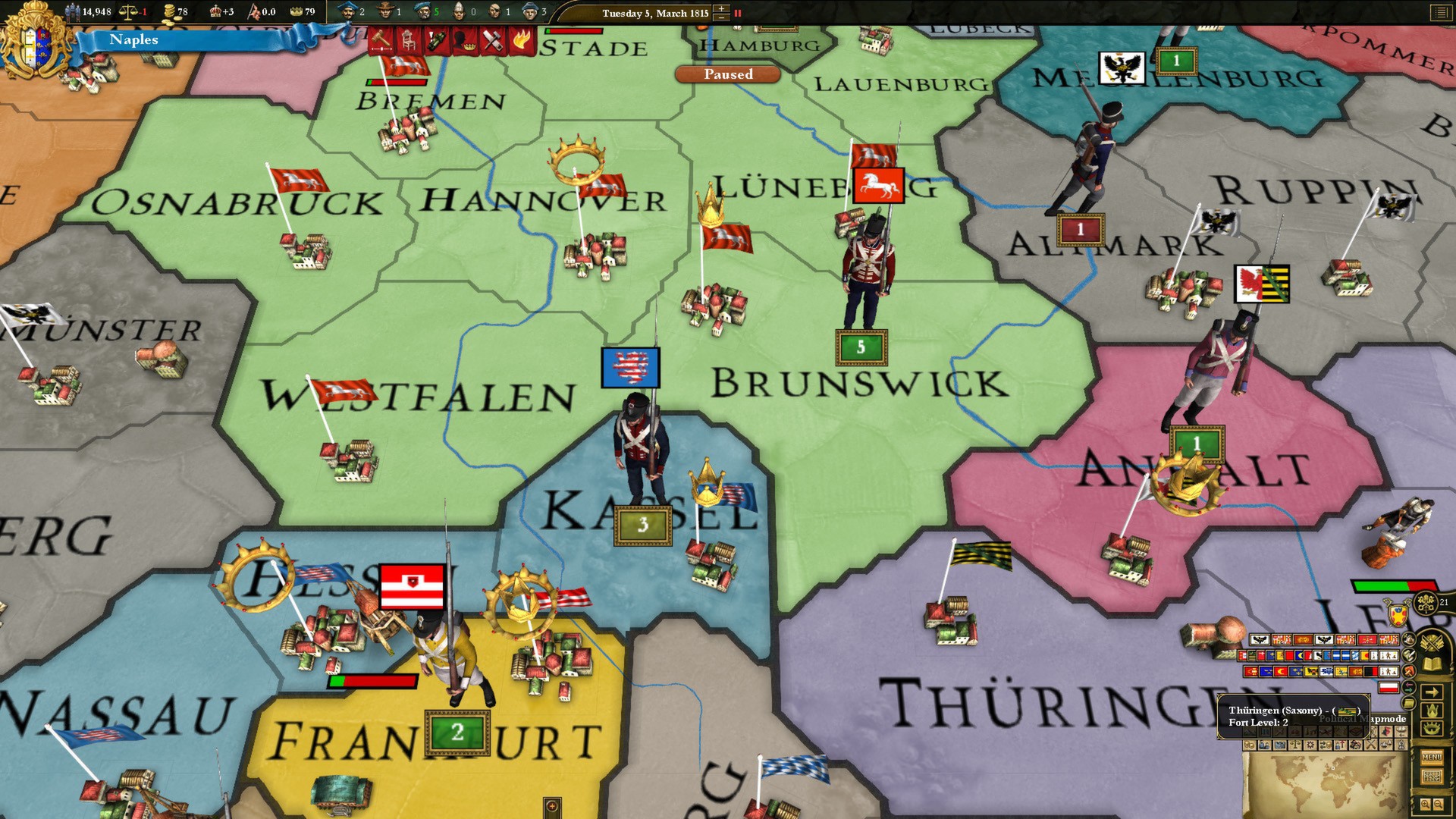
Europa Universalis III – Revolution II Unit Pack DLC builds on the grounded, historical visual identity of Europa Universalis III, a grand strategy game known for its map-focused presentation and layered world design. The base game presents a wide political canvas where continents are rendered in a clean, functional style, designed to prioritize clarity over spectacle. From the first moment you zoom into the world map, the experience feels like looking at a living historical atlas where nations are defined by borders, flags, and shifting influence rather than cinematic cutscenes.
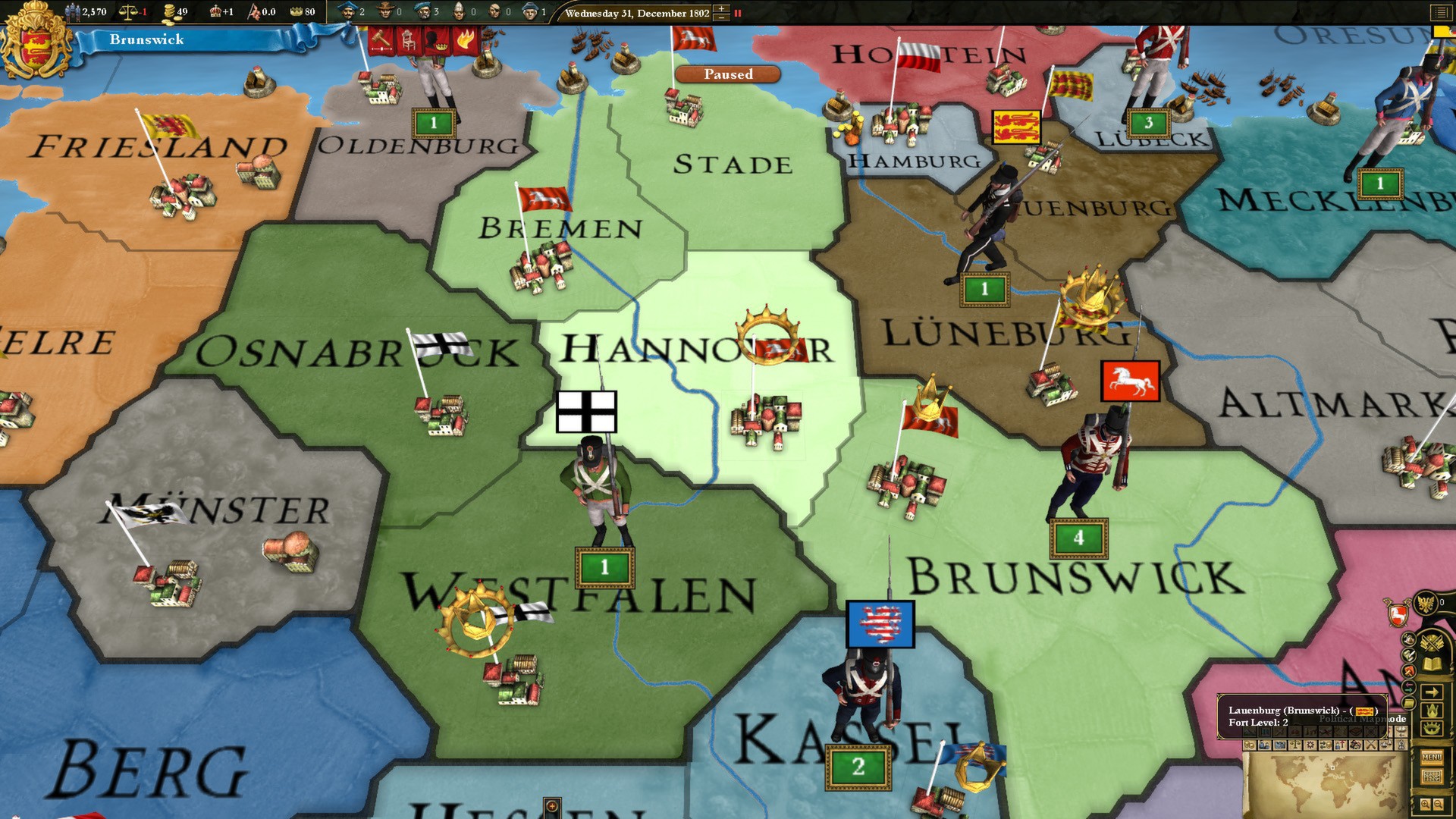
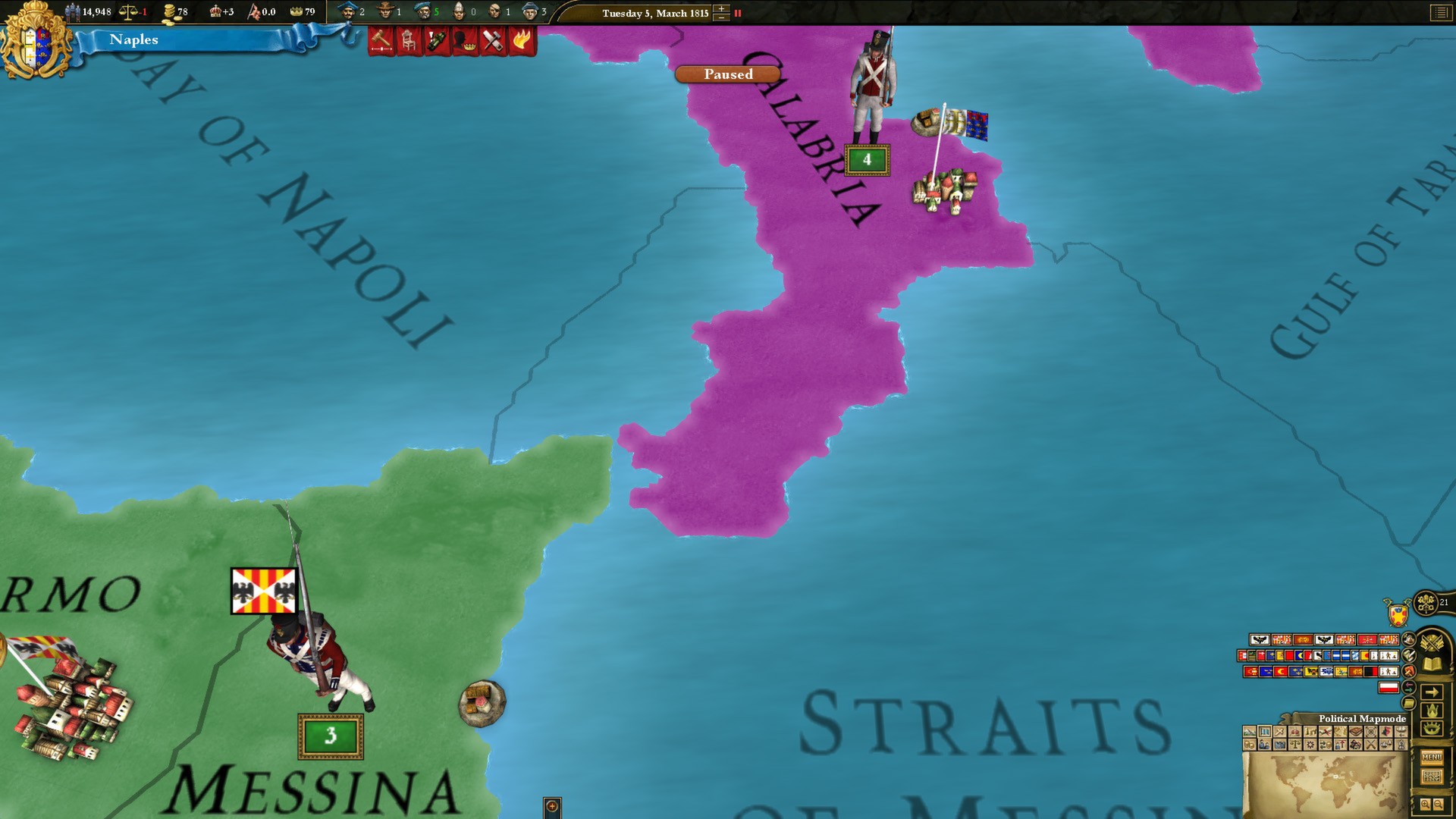
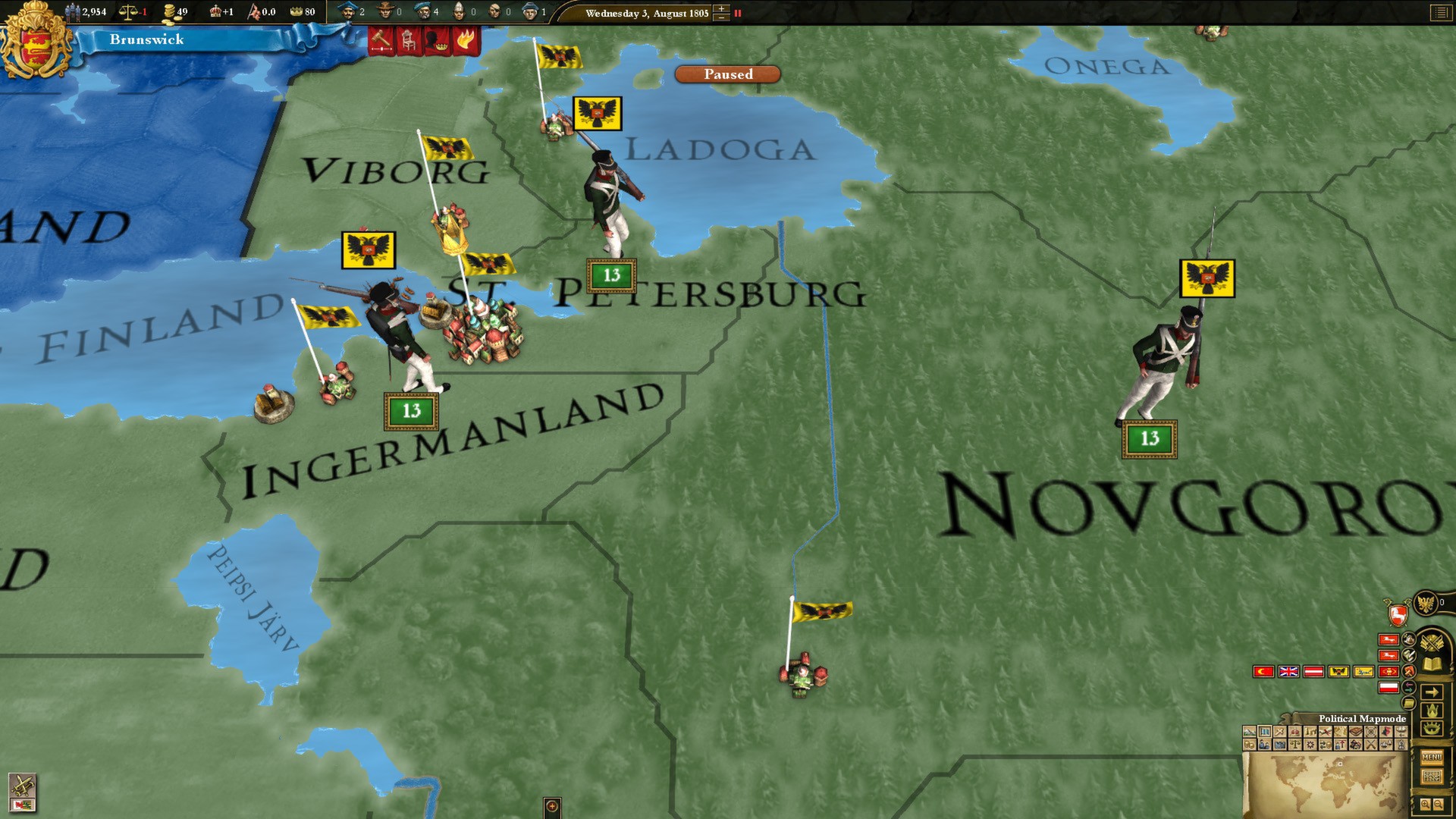
The Revolution II Unit Pack DLC enhances this visual foundation by refining the design of military units across several European powers. Armies gain more distinct uniforms, shapes, and visual identity, helping players immediately recognize factions during large-scale conflicts. Instead of blending into abstract markers, units now carry subtle historical detail that reflects the era’s military evolution, adding personality to the battlefield without overwhelming the strategic clarity of the interface.
The color palette remains restrained and functional, leaning into earthy tones, muted greens, deep blues, and weathered browns that match the historical setting. This controlled visual approach keeps the focus on the political map while still allowing key elements like borders, armies, and provinces to stand out clearly during expansion or war. Lighting is minimal but effective, with soft transitions between day and night cycles reinforcing the sense of time passing across centuries.
While there are no cinematic character models or close-up animations driving the experience, the visual storytelling happens at the macro level. Watching borders shift, armies gather, and territories change hands creates a slow, unfolding visual narrative of history in motion. The improved unit designs in this DLC make those moments easier to read and more satisfying to follow, especially during large wars involving multiple nations.
What makes this visual approach effective is its consistency with the game’s strategic depth. Every artistic choice supports readability and long-term planning, ensuring that players can process complex geopolitical situations at a glance. The Revolution II Unit Pack enhances this balance by adding variety where it matters most—on the battlefield—without disrupting the clean, map-driven aesthetic that defines the experience.
The result is a visual style that feels calm, deliberate, and historically grounded, giving Europa Universalis III a distinctive identity where clarity and atmosphere work together to support deep, long-form strategy gameplay.
Technical Requirements
Europa Universalis III – Revolution II Unit Pack DLC is a PC-focused expansion designed to run on the same wide range of systems that support the base game Europa Universalis III. Since this is a visual enhancement pack rather than a standalone title, it does not increase hardware demands in any meaningful way. Players on Windows PCs can expect smooth performance as long as their system already meets the base game’s requirements, typically including a modest dual-core processor, 2–4 GB of RAM, and a compatible DirectX-supported graphics setup. The game is also playable on Linux systems through compatibility layers such as Proton or Wine, depending on the storefront version, with similar performance expectations when configured properly.
The DLC is available through PC digital platforms like Steam, where it integrates directly into the existing Europa Universalis III installation. There are no console releases, as the game is designed specifically around mouse-and-keyboard grand strategy input and PC-scale interface complexity. This ensures precise control over map navigation, diplomacy menus, and multi-layered strategy systems that would be difficult to translate to controller-based play.
In terms of performance and optimization, Europa Universalis III remains lightweight by modern standards. Even on lower-end systems, the game runs steadily with fast load times and stable frame pacing, as most of the processing is tied to simulation logic rather than heavy 3D rendering. The Revolution II Unit Pack adds updated unit visuals, but these changes have minimal impact on performance, meaning frame rates remain consistent even during large-scale wars with multiple nations involved.
On higher-end PCs, the experience becomes even smoother, with quicker map transitions, faster AI processing, and improved responsiveness during long campaigns. Resolution scaling and UI settings allow players to adjust the interface for different screen sizes, including widescreen monitors.
Control-wise, the game is fully optimized for keyboard and mouse input, offering detailed hotkeys, map shortcuts, and customizable bindings that allow players to streamline complex actions. While there is no native controller support, the interface is highly efficient for traditional PC strategy control schemes.
Accessibility features include adjustable text size options, subtitle support for in-game alerts, and difficulty settings that let players tailor AI behavior and economic challenge levels. These options make the experience more approachable for new players while still preserving depth for veterans.
Overall, the Revolution II Unit Pack DLC maintains the game’s lightweight performance profile while enhancing visual clarity, ensuring a stable and accessible grand strategy experience across a wide range of PC hardware configurations.
Who Is This Game For?
Europa Universalis III – Revolution II Unit Pack DLC is best suited for players who already enjoy slow, systems-driven strategy games where patience, planning, and long-term thinking matter more than fast reactions. It fits naturally into the grand strategy genre, especially for those who like managing nations, shaping political outcomes, and watching complex simulations unfold over time. The DLC itself does not change gameplay mechanics, so the ideal audience is anyone already interested in Europa Universalis III or similar historical strategy experiences who wants a more visually distinct and immersive battlefield presentation.
Players who enjoy single-player sandbox experiences will get the most consistent value from this type of content. If you like building empires, experimenting with different nations, or replaying historical scenarios to see how events might unfold differently, the core game loop offers a lot of freedom and replayability. Multiplayer fans who enjoy slower, diplomacy-heavy competition will also appreciate the broader experience, where human unpredictability adds depth to long campaigns and political alliances.
This DLC especially appeals to strategy enthusiasts who care about immersion and readability in large-scale conflicts. The updated unit visuals help make wars easier to follow and give more identity to the nations involved, which can enhance focus during extended play sessions. It’s less about action and more about observation, planning, and gradual progression through centuries of in-game history.
However, players looking for fast-paced gameplay, real-time action, or immediate rewards may find this style of experience slower than expected. Europa Universalis III is not designed around quick missions or instant victories; instead, it rewards careful decision-making and long-term consequences. Similarly, those who prefer heavily narrative-driven games with structured storytelling may find the open-ended simulation approach more emergent than scripted.
Overall, this DLC is for strategy-minded players who enjoy historical depth, nation-building systems, and long-form gameplay sessions where every choice shapes a larger world. It respects the player’s ability to think ahead, adapt to evolving situations, and find satisfaction in gradually steering history in new directions across multiple playthroughs.
FAQ
What type of game is Europa Universalis III – Revolution II Unit Pack DLC?
It is a visual DLC for the grand strategy game Europa Universalis III. It does not change core gameplay but improves how military units look during campaigns, adding more historical detail and variety to armies on the map.
Do I need the base game to play this DLC?
Yes, this is an add-on and requires Europa Universalis III to run. It integrates directly into the main game and only enhances unit visuals within existing gameplay systems.
What kind of gameplay experience does Europa Universalis III offer?
The base game is a deep historical strategy experience where players manage a nation over centuries. You handle diplomacy, trade, warfare, and expansion in a large, evolving world map driven by long-term decisions.
Is it single-player or multiplayer?
Both are supported. You can play solo campaigns focused on personal strategy and world-building, or join multiplayer sessions where players control different nations and interact through alliances and conflicts.
What platforms is it available on?
It is designed for PC and is typically accessed through digital platforms like Steam. It is not available on consoles.
Will it run on low-end systems?
Yes. Since it is built on the Europa Universalis III engine, it has very modest system requirements by modern standards. The DLC itself adds only visual updates, so performance impact is minimal.
Is there replay value?
Very high. The base game offers open-ended campaigns with different nations, strategies, and outcomes each time, making every playthrough feel different.
Is it suitable for casual players?
It is better suited for players who enjoy slower, more thoughtful strategy gameplay. It may feel complex for complete beginners, but rewarding for those willing to learn.
Does it require an internet connection?
No, the base game and DLC can be played offline in single-player mode, while multiplayer requires an internet connection.
FAQ
Operating System (OS)
Other Details

Languages

Reviews
There are no reviews yet.