

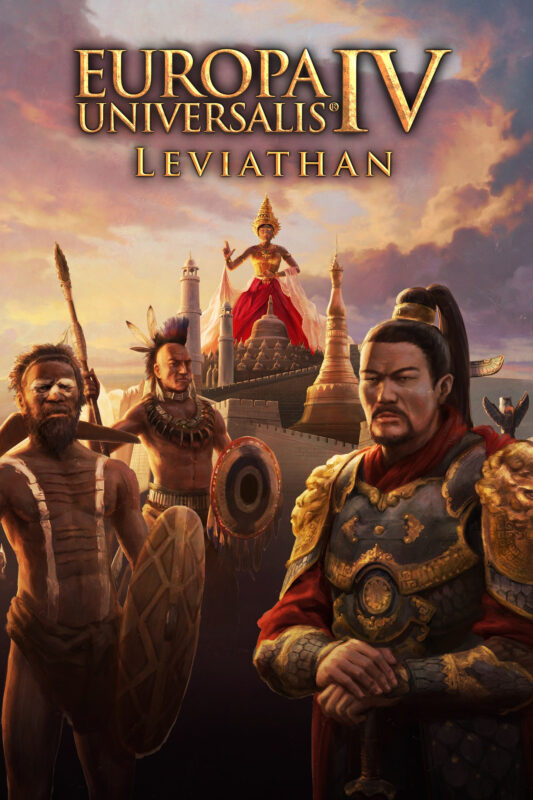
Europa Universalis IV – Leviathan Expansion PC Steam CD Key
35 in stock
copies left35 in stock
Sold by: OMG Gamer






Delivery24/7
supportVerified
Sellers

Product Description
Europa Universalis IV – Leviathan Expansion PC Steam CD Key
Quck Intro
Europa Universalis IV – Leviathan Expansion builds on the grand strategy depth of the base game, placing even more control in the hands of players shaping the early modern world. Set in a complex historical sandbox, it expands the experience of managing nations through diplomacy, warfare, and long-term economic planning. This expansion introduces new systems that refine how empires grow, develop provinces, and interact with subject states, adding fresh layers to colonial expansion and internal management. Players can expect more detailed strategic choices when steering a nation’s rise, especially in regions where development and influence matter as much as military strength. Designed for fans of deep historical strategy and simulation gameplay, Leviathan enhances the core Europa Universalis IV experience with additional tools for creative empire-building, encouraging different approaches to global domination and long-form campaign storytelling.
About
Europa Universalis IV – Leviathan Expansion is a grand strategy expansion that deepens the experience of guiding a nation through the early modern world, where diplomacy, war, and economic ambition constantly compete for control. At its core, the game lets you step into the role of a ruler shaping history, making long-term decisions that influence how your empire grows, survives, or collapses across centuries. With Leviathan, that experience becomes more intricate, giving players additional ways to develop provinces, manage subject nations, and steer global influence through careful planning rather than short-term moves.
The gameplay revolves around a steady loop of strategic decision-making: expanding territory, balancing internal stability, negotiating alliances, and reacting to shifting global powers. Every choice feeds into a larger evolving map where nations rise and fall based on both calculated planning and unexpected events. Leviathan enhances this loop by adding deeper development systems and more nuanced control over how regions are strengthened, making each campaign feel more personalized and dynamic.
What sets this expansion apart in the grand strategy genre is its focus on empowering player agency at the local level while still maintaining the scale of global politics. Instead of only thinking in terms of conquest, players are encouraged to shape economies, influence dependencies, and refine their nation’s internal structure in ways that directly affect long-term success. It appeals most to strategy-focused players who enjoy complex systems, slow-burn progression, and historically inspired simulation gameplay rather than fast action or casual play.
Leviathan is designed for players who enjoy thoughtful planning, experimentation, and rewriting historical outcomes through patient, layered decision-making. Each session feels like building a living timeline where every move carries weight, and every decade brings new challenges to overcome. As your empire evolves, the world responds, creating a constant push and pull of power that keeps campaigns unpredictable and deeply engaging.
For those drawn to detailed strategy games where history can be reshaped one decision at a time, this expansion offers a richer, more flexible path forward, inviting you to return to the map and see how far your vision of an empire can truly go.
Key Features
Europa Universalis IV – Leviathan Expansion builds on a deep grand strategy experience where players guide a nation through centuries of political tension, expansion, and survival. The core gameplay focuses on long-term decision-making, where every diplomatic move, war, and economic adjustment shapes the future of your empire on a living, evolving world map. Instead of fast-paced action, the experience is about planning, adapting, and responding to global shifts in power.
One of the standout additions in Leviathan is the expanded province development system, allowing players to invest more directly in specific regions. This creates a more hands-on approach to growth, where strengthening cities, managing resources, and improving infrastructure can dramatically change a nation’s trajectory over time. It adds a more granular layer to empire building that rewards careful strategy and patience.
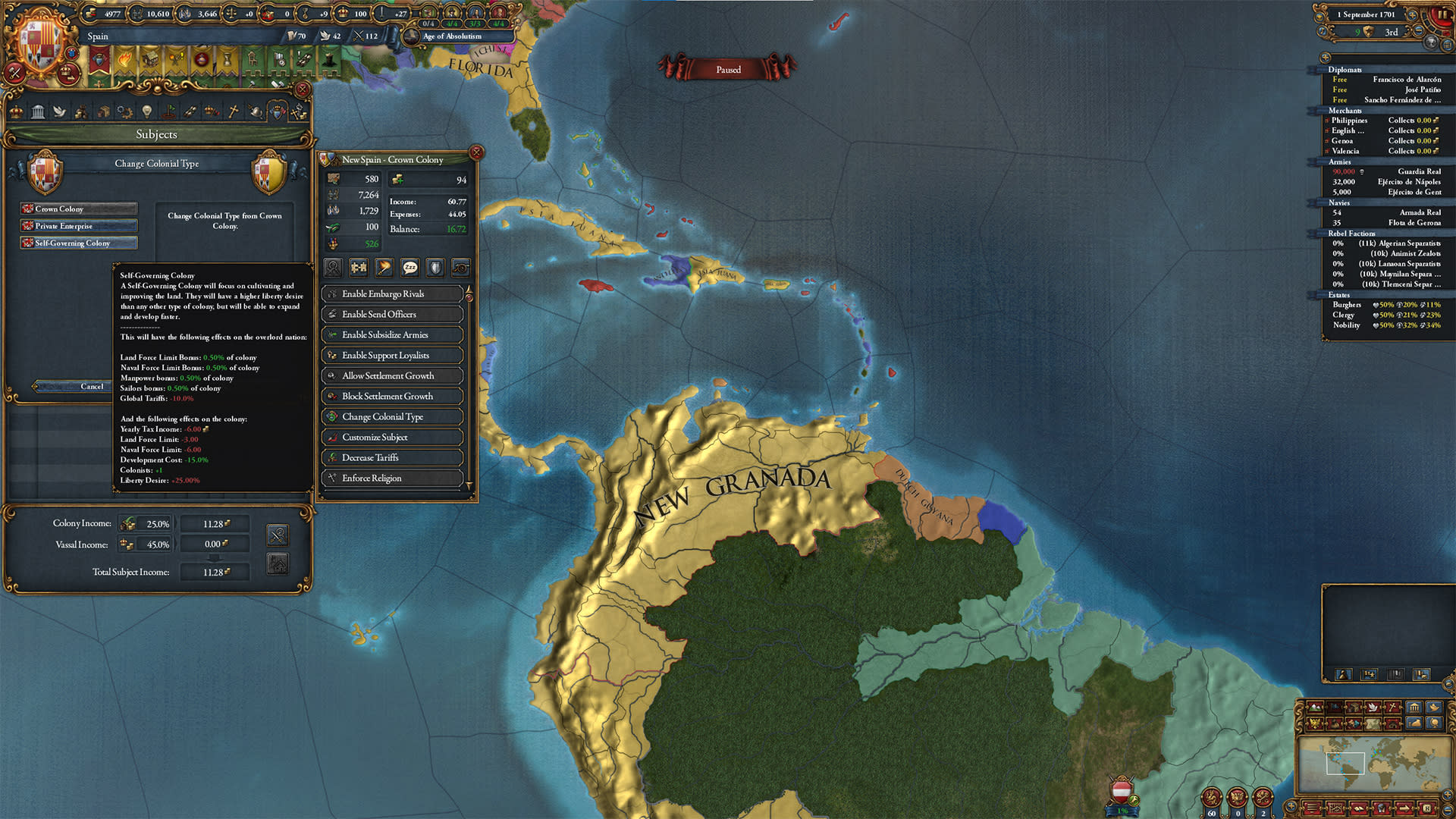
The expansion also deepens the role of subject nations and colonial relationships. Players can influence, support, or control dependent regions in more flexible ways, giving greater control over how large empires are structured. This introduces more diplomatic nuance, where soft power can be just as important as military strength.
Campaign progression in Europa Universalis IV is highly replayable, and Leviathan enhances that by opening new paths for experimentation. No two playthroughs feel the same, as shifting alliances, emerging threats, and regional development choices create different outcomes every time. The game rewards both aggressive expansion and careful internal management, depending on the player’s approach.
Designed for fans of historical strategy and simulation gameplay, it appeals to players who enjoy complex systems, slow-burn progression, and freedom of choice on a global scale. Whether you prefer shaping trade networks, building powerful alliances, or rewriting historical borders, the expansion supports multiple play styles without forcing a single path.
With its layered mechanics and evolving world state, Leviathan encourages players to think like long-term rulers, where every decision contributes to a larger story of empire-building that unfolds across centuries.
Gameplay
Europa Universalis IV – Leviathan Expansion expands a deeply strategic grand strategy gameplay experience where players take control of a nation and guide it through centuries of political change, war, and economic development. The core gameplay revolves around managing a country on a real-time world map, where time continuously moves forward and every decision shapes long-term outcomes. Players interact with diplomacy, warfare, trade, and internal governance systems that all connect into a single evolving global simulation.
At the heart of the gameplay loop is a constant cycle of expansion and consolidation. Players negotiate alliances, declare wars, manage peace treaties, and adjust internal policies while keeping their economy and stability intact. Between these major decisions, attention shifts to developing provinces, improving infrastructure, and responding to shifting geopolitical pressures. Leviathan enhances this rhythm by giving more control over local development, making each region feel like a meaningful part of the empire rather than just territory on a map.
Combat plays a tactical role in shaping borders, but success depends heavily on preparation and long-term strategy rather than real-time action mechanics. Army composition, positioning, and timing all matter, but they are supported by deeper systems like morale, economy, and diplomacy. There is no traditional exploration or action-adventure gameplay; instead, discovery comes through expanding influence and uncovering new strategic opportunities across a historically inspired world.
Progression in the game is gradual and highly dynamic. Nations grow stronger through careful investment, technological advancement, and political maneuvering. Leviathan adds more depth to this progression by allowing finer control over development and subject relationships, creating new ways to specialize your empire depending on your chosen strategy.
The game supports both single-player campaigns and multiplayer sessions, where human opponents introduce unpredictable political behavior and competitive diplomacy. This makes every campaign different, as alliances shift and global power balances constantly evolve.
Over time, gameplay becomes increasingly complex as empires expand and new systems interact with each other. The experience rewards patience, planning, and adaptability, making it especially appealing to players who enjoy deep strategy games with high replayability and long-form decision-making across evolving historical scenarios.
Story & World
Europa Universalis IV – Leviathan Expansion is set within a living historical world where nations rise, collide, and reshape the balance of power across centuries. Rather than following a single scripted narrative, the game places you in the shifting early modern era, a time defined by exploration, colonial ambition, religious tension, and the slow emergence of global trade networks. The world feels constantly in motion, with borders redrawn through diplomacy, war, and internal transformation rather than a fixed storyline.
In this setting, you take on the role of a nation’s guiding force, shaping its destiny from behind the scenes. You are not a single character, but the strategic presence directing rulers, armies, and governments through uncertain centuries. Every region of the map carries its own identity, from established European kingdoms competing for dominance to emerging powers in Asia, Africa, and the Americas navigating contact with expanding empires. Leviathan enhances this sense of global interconnection by deepening how local regions develop and respond to external influence, making the world feel more reactive and layered.
The narrative of Europa Universalis IV is not told through dialogue or cutscenes, but through events that emerge naturally from the world itself. Alliances form and collapse, trade routes shift, and empires either stabilize or fracture under pressure. Leviathan adds more texture to these unfolding histories by expanding how provinces evolve and how subject nations interact with their overlords, creating a more nuanced depiction of imperial growth and regional identity.
What makes this world unique is its sense of scale and continuity. Instead of a fixed hero’s journey, you experience centuries of evolving history shaped directly by your decisions. A small kingdom can grow into a dominant empire, while great powers can decline through mismanagement or overextension. The world does not pause for the player; it moves forward with or without your success, creating a persistent sense of time and consequence.
Culturally, the setting draws from real-world history but allows for alternate outcomes, where familiar empires may rise differently or unexpected regions become global powers. This blend of historical grounding and player-driven divergence gives the world a feeling of authenticity while still offering creative freedom. Leviathan strengthens this by allowing more detailed development within regions, making each part of the map feel like a living society rather than a static territory.
As you navigate this world, you gradually witness how interconnected every region becomes. Trade, diplomacy, and conflict spread influence across continents, turning local decisions into global consequences. The atmosphere is often tense but never static, reflecting an age where certainty is rare and power is always in flux.
This is a world defined not by a single story, but by thousands of overlapping histories unfolding at once. With Leviathan, that sense of living history becomes even more detailed, drawing you into a simulation of global evolution where your choices quietly reshape the course of nations and the identity of entire eras.
Game Modes
Europa Universalis IV – Leviathan Expansion is primarily experienced through a deep single-player grand strategy sandbox, where you guide a chosen nation through centuries of political change, expansion, and survival. This mode is the core of the game, and it appeals to players who enjoy slow-burn strategy, long-term planning, and shaping alternate historical outcomes at their own pace. Every campaign unfolds differently, driven by dynamic world events, shifting alliances, and the player’s decisions across diplomacy, warfare, and internal development.
For solo players, the experience feels like managing a living simulation of global history. You can focus on peaceful economic growth, aggressive territorial expansion, or a balanced mix of both. Leviathan expands this flexibility by giving more depth to regional development and subject management, making single-player campaigns even more personalized and replayable. Each playthrough encourages experimentation with different nations, strategies, and long-term goals.
Multiplayer adds a different layer of intensity, turning the game into a competitive and unpredictable political arena. Human players replace AI rulers, creating more complex diplomacy, unexpected betrayals, and shifting alliances that evolve in real time. Campaigns often feel more reactive and strategic, as every decision must account for other players’ intentions. This mode is best suited for those who enjoy competitive strategy gameplay and social negotiation over extended sessions.
Cooperative play is also possible, allowing players to team up and manage different nations within the same world. This creates shared strategic planning, where friends can coordinate expansion, support each other during wars, or shape global politics together. It is a slower, more collaborative experience compared to competitive multiplayer, but still rich in strategic depth.
Across all modes, the game maintains a strong sense of continuity and replay value. There are no fixed story paths, so every session becomes a unique historical timeline shaped by different choices and outcomes. Leviathan enhances this variety by expanding how nations grow and interact, ensuring that even familiar regions can behave in unexpected ways from one campaign to the next.
Whether played alone for immersive long-term strategy or with others in a dynamic political landscape, the game adapts to different playstyles while preserving its focus on deep, evolving global decision-making.
Visuals & Art Style
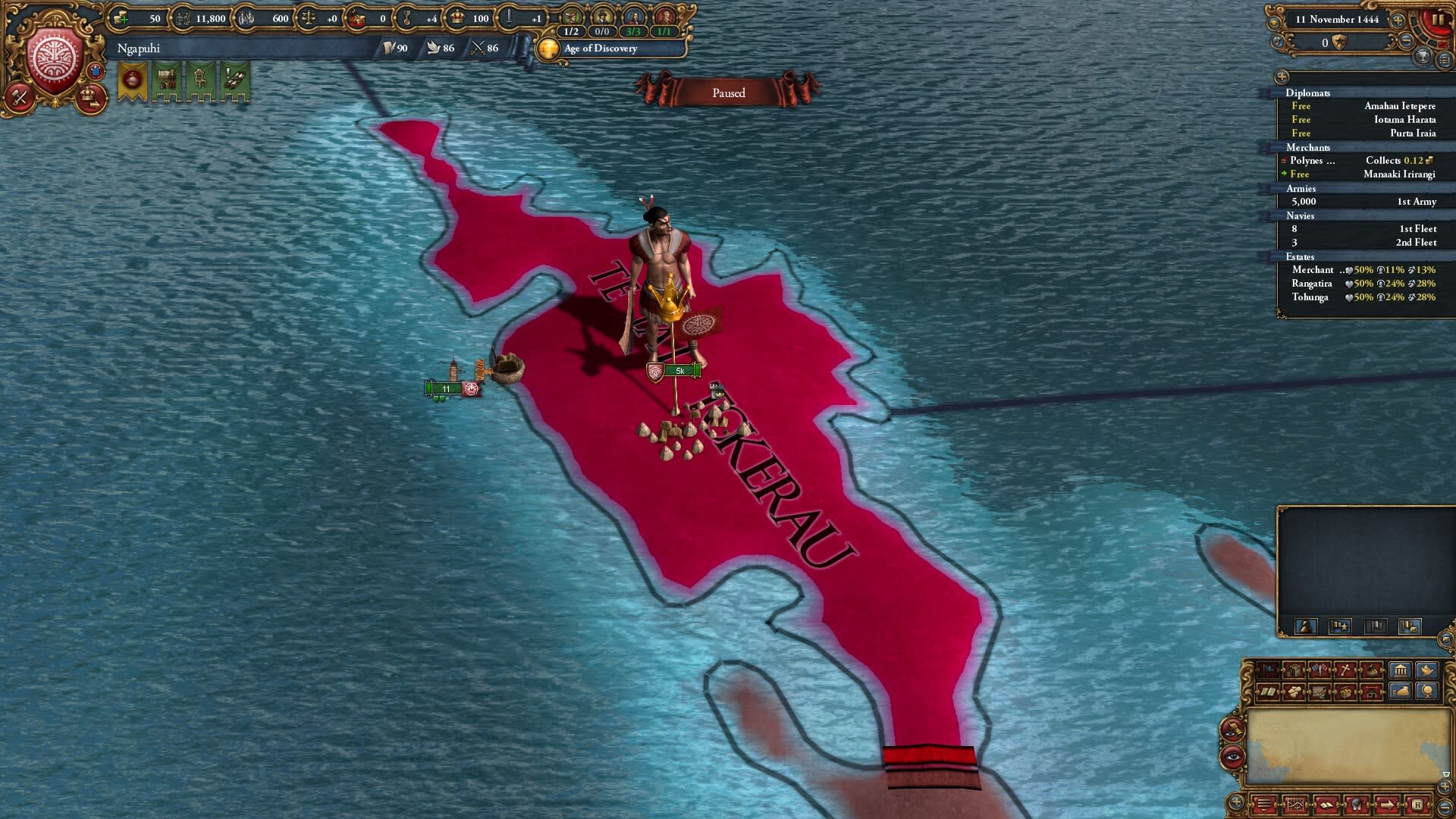
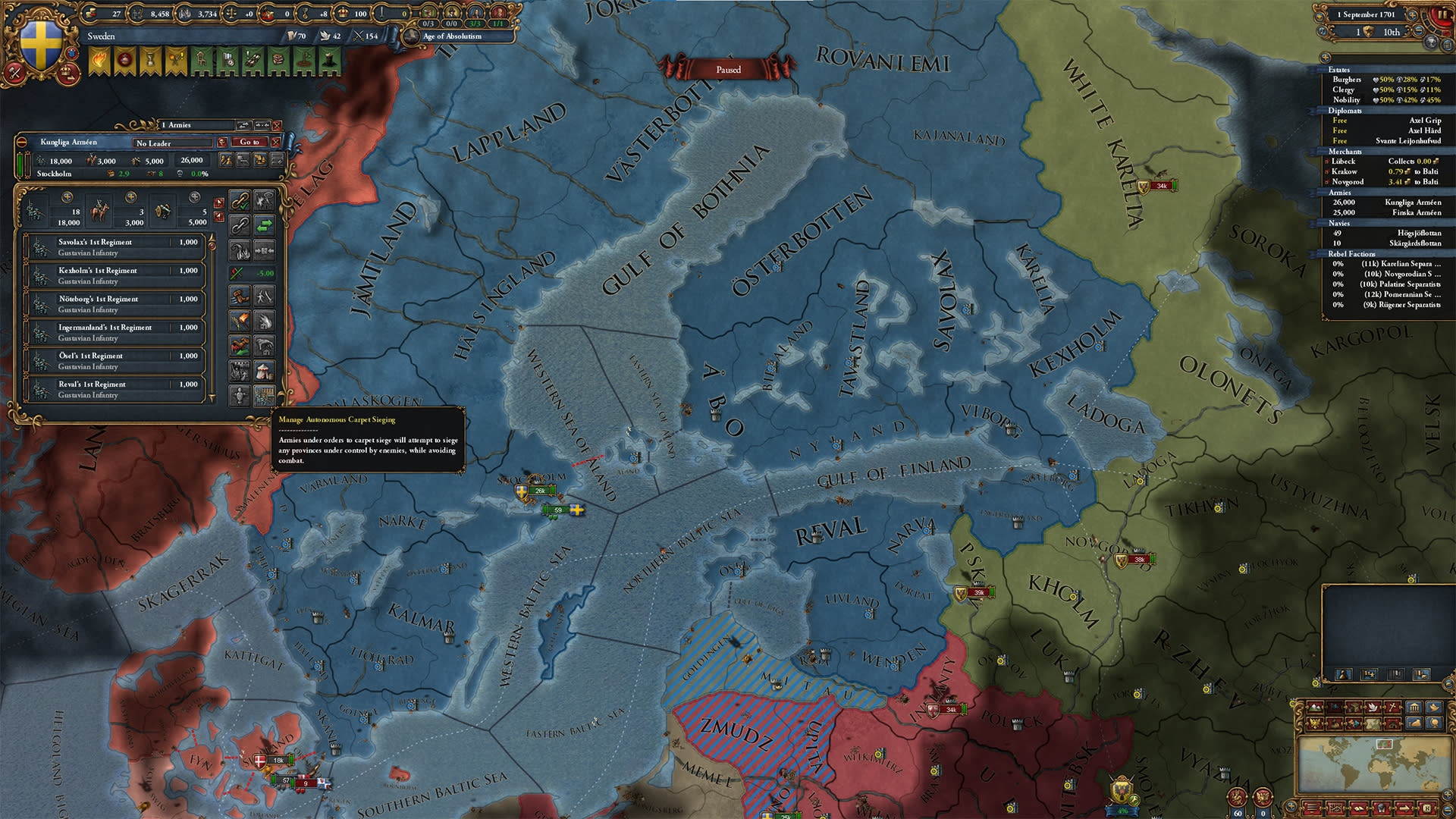
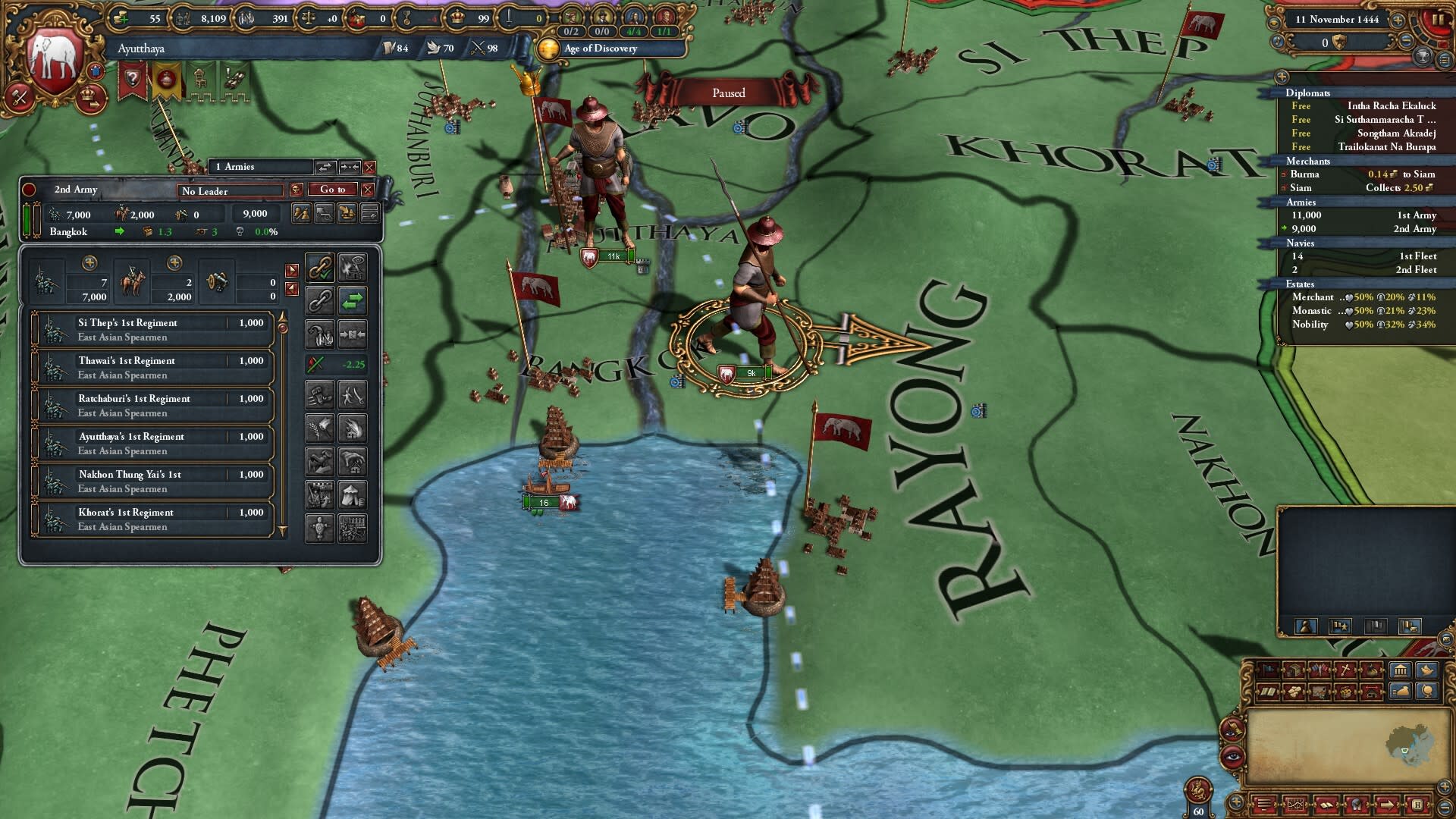
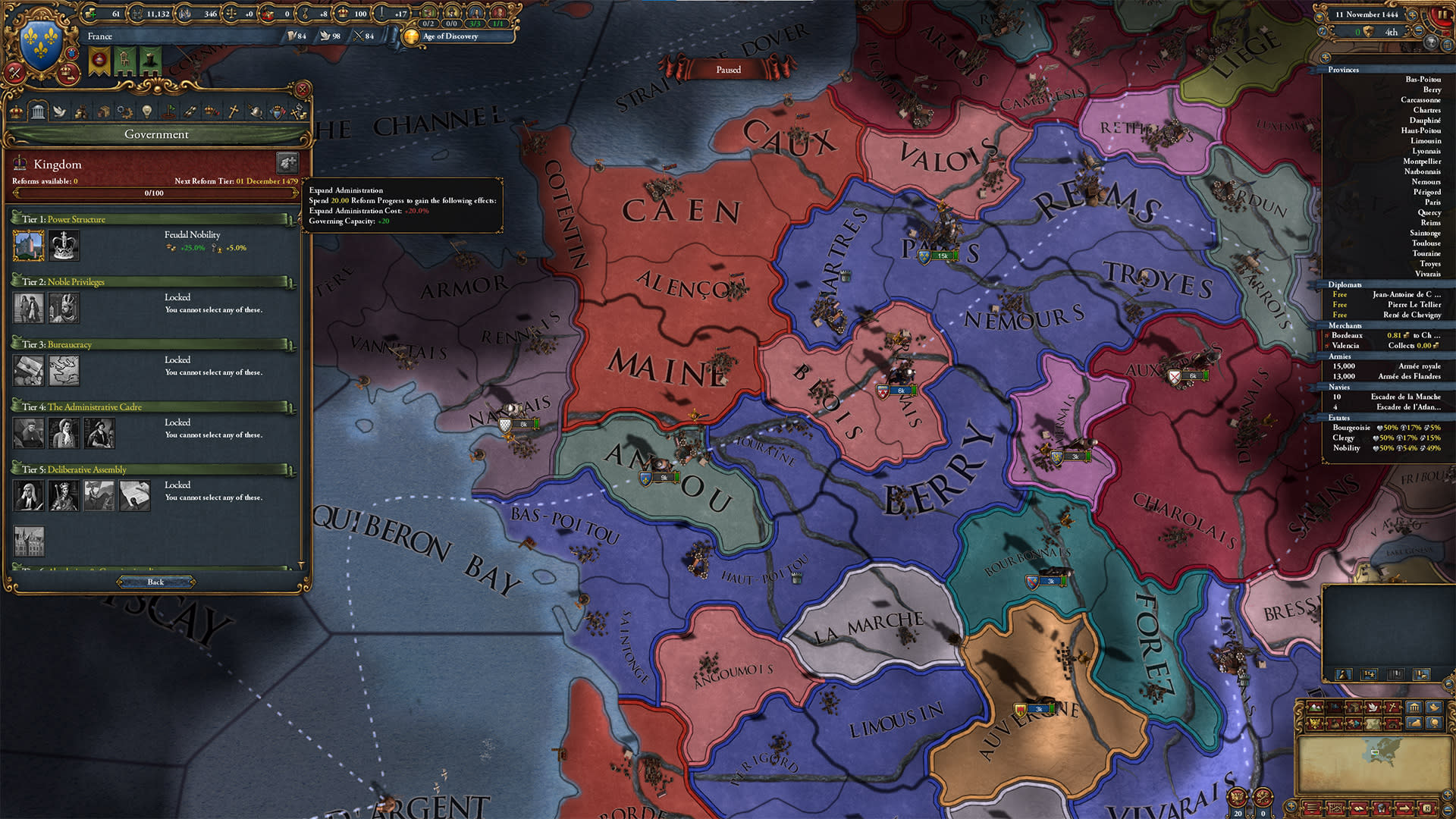
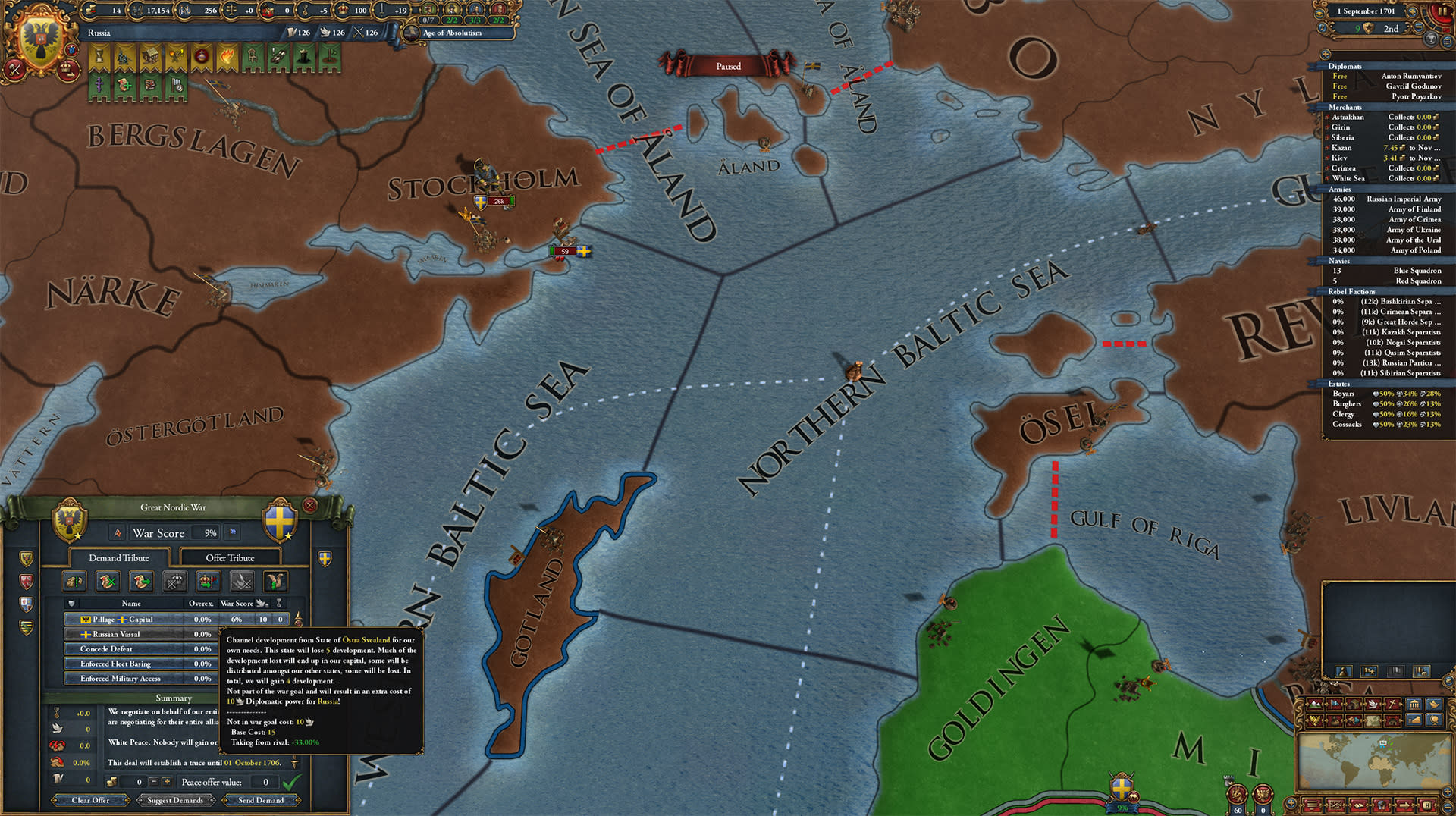
Europa Universalis IV – Leviathan Expansion presents a clean, map-focused visual identity that prioritizes clarity, scale, and historical atmosphere over cinematic realism. The game is viewed from a strategic top-down perspective, where the world unfolds like a living atlas. Every region is carefully illustrated with distinct cultural and geographic detail, allowing players to instantly recognize shifting borders, climates, and political influence without visual clutter.
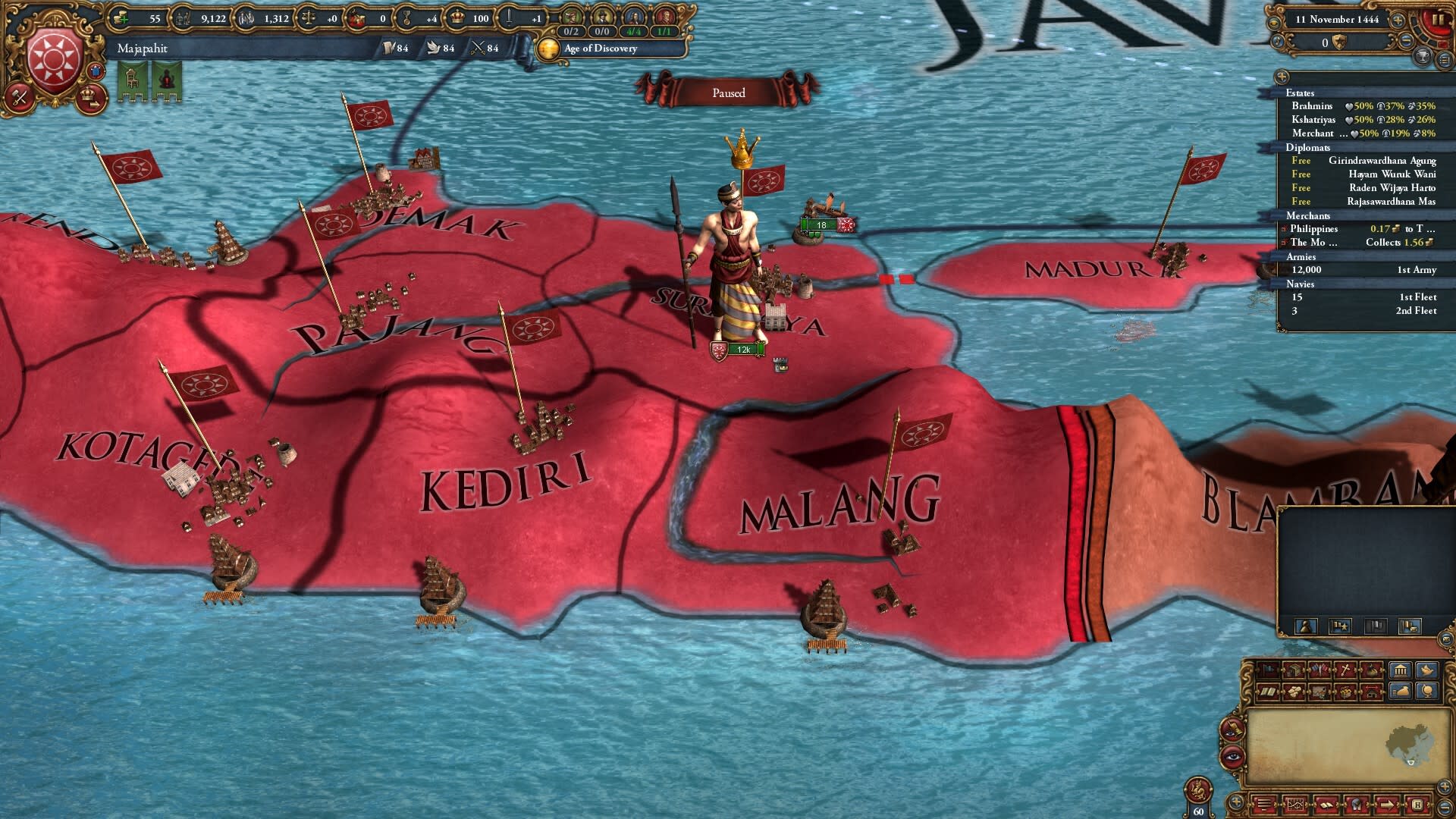
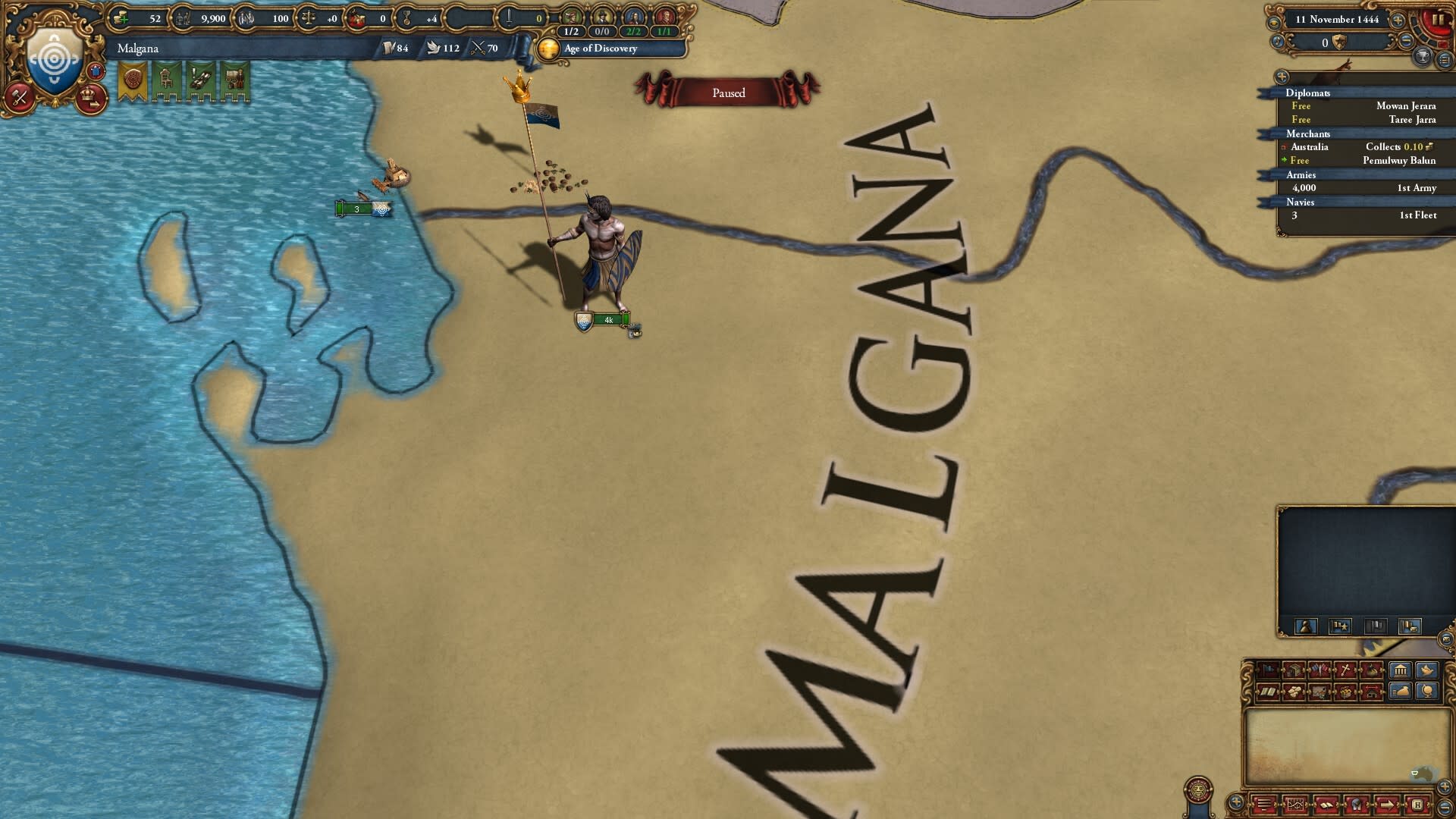
The art style leans into a refined, slightly stylized historical aesthetic. Countries are represented through distinct color coding that evolves naturally as empires expand or fracture, making political change visually readable at a glance. Provinces are textured with subtle environmental variation, from dense European forests and river valleys to arid deserts and tropical coastlines, giving each area its own identity within the broader world map.
Lighting and seasonal effects are understated but meaningful, reinforcing the passage of time as years turn into decades and centuries. The world does not rely on flashy animations or cinematic transitions; instead, movement is expressed through fluid map updates, shifting borders, and dynamic overlays that reflect trade routes, religious influence, and political control. This creates a sense of watching history unfold in real time rather than observing static levels.
While there are no traditional character-driven cutscenes, the visual storytelling comes through flags, unit models, and province details that evolve as nations develop. Armies on the map are clearly distinguishable, with unit designs reflecting their cultural and technological progression, helping players read the state of the world visually during conflicts and campaigns.
Leviathan subtly enhances this presentation by adding more visual depth to provincial development and regional transformation. As areas grow stronger or more specialized, the map reflects these changes in a way that feels organic and grounded, reinforcing the idea that the world is constantly being shaped by player decisions.
Overall, the visual approach is not about spectacle, but about readability and immersion at scale. It supports long-form strategy gameplay by ensuring that even the most complex global situations remain understandable, while still carrying a strong sense of atmosphere and historical weight.
Technical Requirements
Europa Universalis IV – Leviathan Expansion is available on PC through Windows, macOS, and Linux, primarily distributed via Steam and the Paradox Launcher. As an expansion, it integrates directly into the base game, so players simply need Europa Universalis IV installed to access its added systems and content.
On the technical side, the game is designed to run on a wide range of hardware. Minimum requirements typically include a modern dual-core processor, 8 GB of RAM, and a basic dedicated or even integrated GPU capable of handling large 2D map rendering. Recommended setups include a quad-core CPU, 16 GB RAM, and a mid-range dedicated graphics card for smoother late-game performance, especially during large world wars and complex empire simulations. Storage demands remain relatively modest, as the game is not texture-heavy but instead CPU-driven.
Performance scales with simulation complexity rather than graphical load. Early gameplay runs smoothly on almost any modern PC, while late-game years can become more CPU-intensive due to the global number of active nations and calculations. Speed settings, pausing, and optimization options allow players to manage pacing depending on hardware strength. Leviathan continues this design approach without significantly changing performance demands, meaning existing EU4 players will experience familiar optimization behavior.
Controls are built around keyboard and mouse interaction, with a strong emphasis on hotkeys, tooltips, and map-based navigation. Players can zoom from continental overview down to individual provinces seamlessly, managing complex systems through layered menus that remain accessible once familiar. Keybindings are fully customizable, allowing both new and veteran strategy players to tailor input to their preferred style.
Accessibility options include UI scaling, colorblind-friendly map modes, adjustable text size, and pause-anytime gameplay support.
Who Is This Game For?
Europa Universalis IV – Leviathan Expansion is best suited for players who enjoy deep, long-form strategy experiences where patience and planning matter more than fast reactions. If you like thinking several steps ahead, managing complex systems, and watching a world evolve over time based on your decisions, this game fits naturally into that mindset. It appeals strongly to fans of historical strategy, grand strategy simulations, and slow-burn gameplay where every campaign feels like a personal alternate version of history.
Players who enjoy single-player sandbox experiences will find the most value here, especially those who like shaping their own goals rather than following a fixed storyline. The game rewards curiosity and experimentation, letting you try different nations, strategies, and diplomatic approaches across multiple playthroughs. Leviathan adds more depth to this by expanding how regions develop and how empires grow internally, which makes it especially engaging for players who enjoy optimizing systems and refining long-term strategies.
It also suits multiplayer strategy fans who enjoy competitive thinking and political mind games. In that environment, success depends not only on military strength but also on negotiation, timing, and reading other players’ intentions. Cooperative players can also enjoy shared campaigns, where coordination and planning with friends becomes part of the experience.
This is not a fast-paced action game, and it may not appeal to players looking for immediate rewards, constant visual stimulation, or short gameplay sessions. The learning curve can feel demanding at first, especially for those new to grand strategy, as the game involves layered systems and long decision chains. However, players who invest time in understanding it often find a highly rewarding and replayable experience.
Europa Universalis IV – Leviathan Expansion ultimately suits strategic thinkers, history enthusiasts, and players who enjoy shaping outcomes through careful decision-making rather than reflex-based gameplay. It is for those who appreciate depth over speed, systems over spectacle, and long-term consequences over instant results, offering a style of play that gradually reveals its complexity over time.
FAQ
What kind of game is Europa Universalis IV – Leviathan Expansion?
It is a grand strategy expansion for Europa Universalis IV, a real-time historical simulation where you guide a nation through centuries of political, economic, and military development. Leviathan expands the base experience with deeper systems for province development, diplomacy, and long-term empire building.
Do I need the base game to play it?
Yes, this is an expansion and requires Europa Universalis IV to run. It adds new mechanics and systems but does not function as a standalone game.
Is it single-player or multiplayer?
Both are supported. The single-player experience focuses on long-term strategy against AI nations, while multiplayer allows you to compete or cooperate with other players in a shared global simulation where diplomacy and strategy become more unpredictable.
What kind of gameplay should I expect?
Gameplay is slow-paced and deeply strategic. You spend time managing diplomacy, wars, trade, and internal development while watching the world evolve in real time. Leviathan adds more control over how provinces grow and how nations interact, increasing the depth of decision-making.
Will it run on most PCs?
Yes, it is designed for a wide range of systems. Even mid-range PCs can run it, though performance depends more on processor strength in the late game due to complex global simulations rather than graphics demands.
Is the game beginner-friendly?
It has a learning curve. New players may take time to understand its systems, but it becomes rewarding once the core mechanics are familiar. It is best suited for players who enjoy patience-driven strategy rather than fast action.
How much replay value does it offer?
Very high. Each campaign unfolds differently depending on your nation, choices, and global events. Leviathan increases variety by adding more ways to develop regions and shape empires.
Is it always online?
No, single-player can be played offline, but multiplayer requires an internet connection.
FAQ
Operating System (OS)
Other Details

Languages


Reviews
There are no reviews yet.