

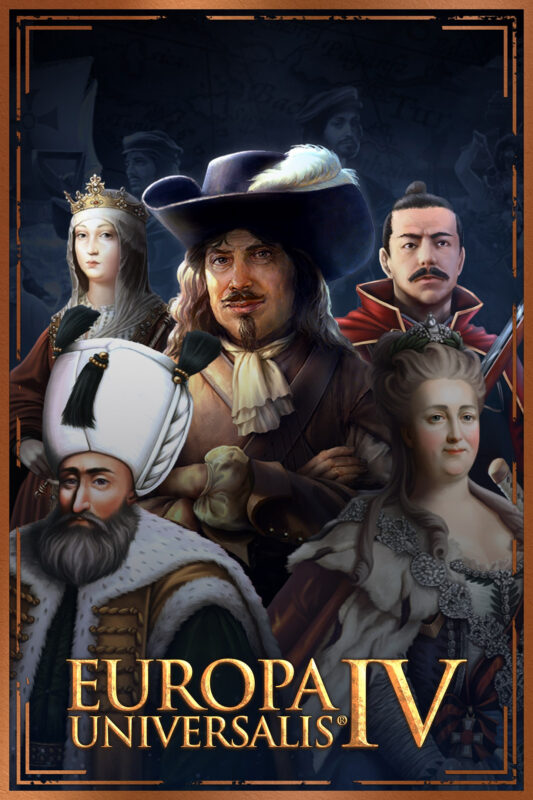
Europa Universalis IV PC Epic Games Account
79 in stock
copies left79 in stock
Sold by: OMG Gamer






Delivery24/7
supportVerified
Sellers

Product Description
Europa Universalis IV PC Epic Games Account
Quck Intro
Step into the complex world of Europa Universalis IV, a grand strategy experience where you guide a nation through centuries of political intrigue, warfare, trade, and diplomacy. Spanning from the late Middle Ages to the early modern era, the game lets you shape history on a global scale, making decisions that influence everything from economic growth to international alliances. Whether you prefer expanding your empire through conquest or building influence through careful negotiation, every choice carries weight. Known for its deep systems and historical depth, it offers a rewarding challenge for players who enjoy strategy games that demand planning, patience, and long-term thinking.
About
Europa Universalis IV is a historical grand strategy game where you take control of a nation and guide it through centuries of global change, from diplomacy and trade to war and exploration. Set in a richly detailed simulation of the early modern world, it places you in the role of a ruler shaping the fate of an empire, balancing ambition with careful decision-making.
The core experience revolves around managing your nation in real time, pausing to plan and reacting to an ever-changing political landscape. You’ll spend your time negotiating alliances, expanding territory, managing resources, and navigating complex systems like religion, culture, and economics. Every campaign unfolds differently, as AI-driven nations pursue their own goals, creating dynamic scenarios that reward both long-term planning and adaptability.
What sets it apart from other strategy games is its depth and historical authenticity. Instead of focusing on quick matches or simplified mechanics, it offers a layered sandbox where small decisions can have far-reaching consequences. There’s no single path to success—players can dominate through military conquest, build powerful trade networks, or rise through diplomacy and influence.
This game is best suited for players who enjoy strategic thinking, patience, and emergent storytelling. It appeals to those who like crafting their own narratives rather than following a fixed storyline, whether they’re experienced strategy fans or curious newcomers willing to learn its systems over time.
There’s a quiet satisfaction in watching your nation evolve across generations, knowing every success and setback came from your choices—and that sense of ownership is what makes it worth diving into.
Key Features
Europa Universalis IV puts you in control of a nation in a detailed grand strategy simulation where every decision shapes your rise or fall. You guide your country across centuries, managing diplomacy, warfare, trade, and internal stability in a living, reactive world.
– You lead a nation in real-time strategy gameplay with pause control, giving you space to plan wars, negotiate treaties, and respond to shifting global politics at your own pace. The loop revolves around expansion, consolidation, and long-term planning rather than quick matches.
– The diplomatic system stands out, allowing you to form alliances, influence rivals, and navigate complex international relations. You’re not just fighting wars—you’re building influence through negotiation, timing, and strategic positioning.
– Military gameplay blends planning and execution, where army composition, terrain, and leadership all matter. Victories feel earned, while defeats can reshape your entire campaign, adding weight to every conflict.
– The economic and trade systems create another layer of strategy, as you manage resources, develop provinces, and control trade routes. Growth feels gradual and meaningful, rewarding players who think ahead.
– The world is historically grounded but open-ended, letting you rewrite history in your own way. Whether you turn a small nation into a global power or maintain balance through diplomacy, each playthrough tells a different story.
– Progression is shaped by your choices, from technological advancement to cultural and religious decisions. There’s no fixed path, giving you freedom to experiment and adapt.
– High replayability comes from the sheer number of nations, starting conditions, and possible outcomes, making it a strong fit for players who enjoy deep, strategic, and endlessly variable gameplay experiences.
Gameplay
Europa Universalis IV delivers a deep, real-time grand strategy gameplay experience where you control a nation and guide it through centuries of political, military, and economic change. From the moment you begin, the game places you in charge of shaping history, balancing expansion with stability in a constantly evolving world.
At its core, the gameplay loop revolves around managing your country while reacting to global events. You’ll spend time planning your next move, whether that’s forming alliances, declaring wars, or investing in infrastructure. The ability to pause and adjust your strategy at any moment makes it accessible while still demanding careful thought and long-term planning.
Combat is tactical rather than fast-paced, focusing on preparation, positioning, and resource management. Building armies, maintaining supply lines, and choosing when to engage are just as important as the battles themselves. Outside of warfare, exploration and colonization open new opportunities, letting you expand into unknown regions and compete for global influence.
Progression is shaped by your decisions, with systems like technology, national ideas, and government reforms influencing how your nation develops over time. As your empire grows, new challenges emerge, from internal unrest to powerful rivals, keeping the experience dynamic and engaging.
The game supports both single-player and multiplayer modes, offering a personal, strategic sandbox or competitive sessions with others. With countless nations and playstyles available, no two campaigns feel the same, making each playthrough a unique test of strategy, patience, and adaptability.
Story & World
Europa Universalis IV is set in a vast, historically inspired world that stretches from the late Middle Ages into the early modern era, a time defined by discovery, conflict, and the shifting balance of global power. Rather than telling a single scripted story, it presents a living, breathing world where history acts as a foundation, but the narrative is shaped by the player’s choices. The stage is a detailed map of Earth, filled with rising empires, fragile kingdoms, and distant lands waiting to be explored, each with its own culture, ambitions, and place in the world.
You step into the role of a ruler guiding a nation through centuries of uncertainty and opportunity. Whether leading a small regional power or an established empire, your presence is felt in every decision that shapes the direction of your country. The central premise revolves around influence and survival in a world where borders are constantly shifting, alliances are fragile, and ambition drives nations to expand, compete, and sometimes collapse. There is no single enemy or fixed storyline—instead, the tension comes from the dynamic relationships between nations, religions, and cultures, all interacting in ways that feel organic and unpredictable.
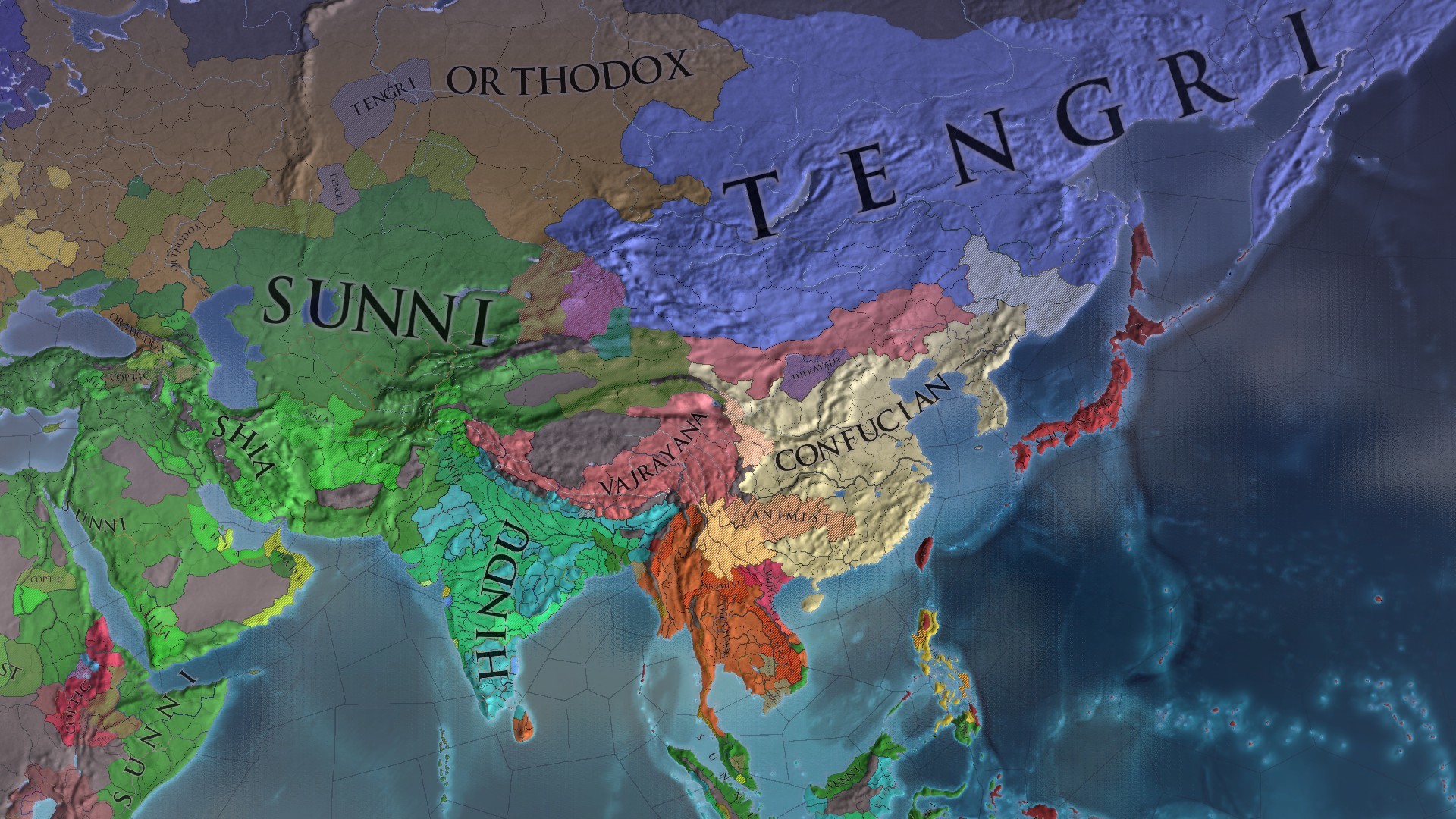
The world itself feels alive because of its diversity and scale. From the courts of European monarchies to the trade networks of Asia and the emerging powers of the New World, each region carries its own identity and challenges. Cultural differences, religious divides, and political ambitions create a layered global landscape where no two regions feel the same. The atmosphere evolves over time, reflecting historical movements such as exploration, colonization, and the rise of new ideologies, giving the world a sense of progression and change.
What makes this setting stand out is how it blends historical authenticity with player-driven storytelling. You are not simply observing history—you are rewriting it. A minor nation can rise to dominance, traditional powers can fall, and entirely new narratives can emerge depending on your choices. The world reacts to your actions, creating a sense of immersion where every decision contributes to a larger, unfolding story.
There’s a quiet intensity to this world, where power is never guaranteed and every success feels earned. It invites you to explore not just its geography, but its possibilities, offering a space where strategy and imagination come together to create a story that is entirely your own.
Game Modes
In Europa Universalis IV, the experience is built around flexible ways to play, giving both solo and multiplayer audiences room to approach its world differently. The primary mode is a single-player sandbox, where you choose any nation and guide it across centuries at your own pace. This mode is ideal for players who enjoy strategic planning, experimentation, and creating their own alternate history without pressure. You can pause, reflect, and shape your campaign exactly how you want, making it approachable even for newcomers willing to learn.
For those looking for a more dynamic and unpredictable experience, multiplayer offers a very different rhythm. Here, you compete or cooperate with other players in real time, turning diplomacy into something far more personal. Alliances can be negotiated directly, betrayals feel immediate, and every decision carries added tension because another human is on the other side. It’s well suited for competitive players or groups of friends who enjoy long-form strategy sessions.
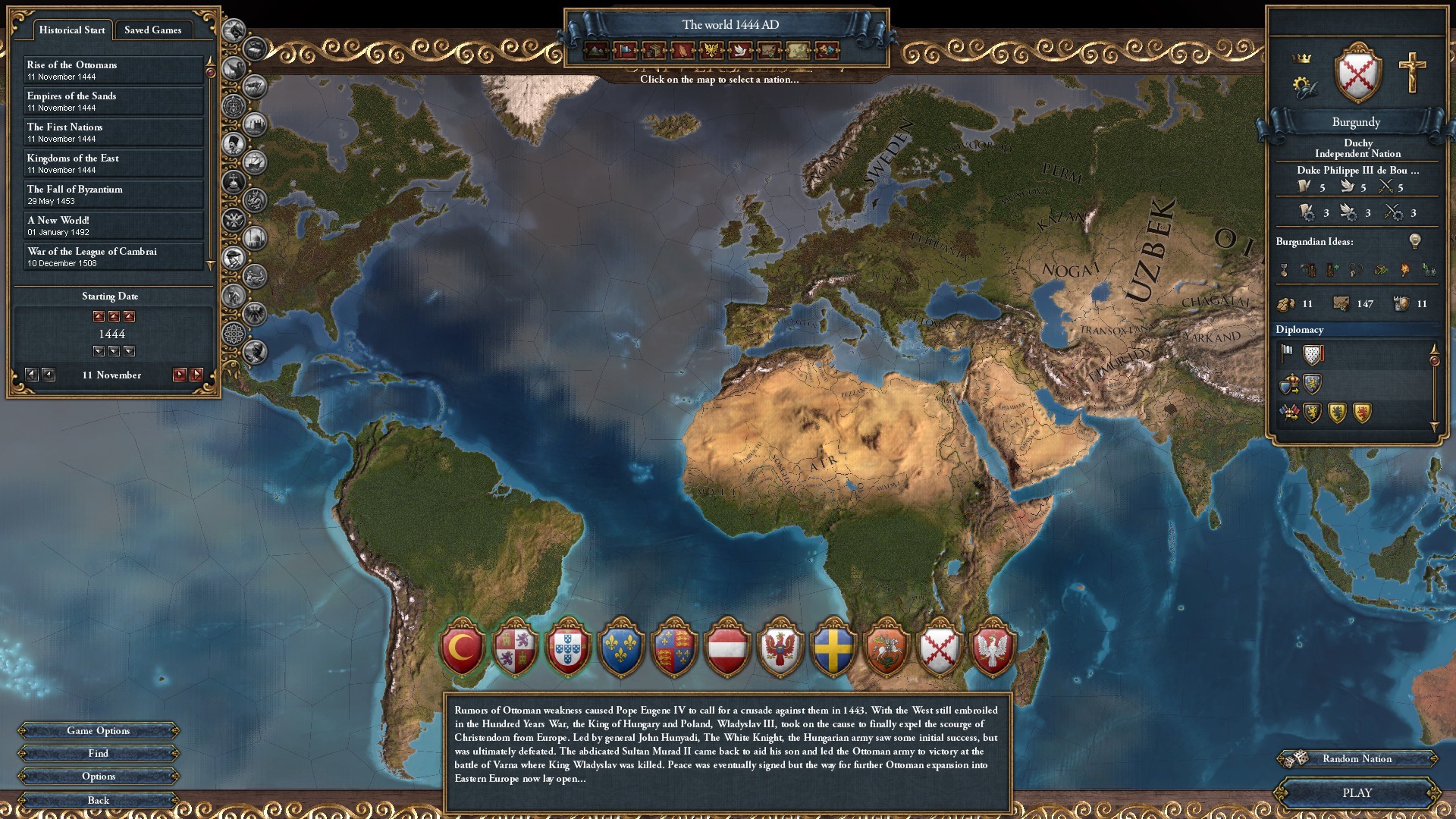
The game also supports a variety of starting scenarios, allowing you to jump into different historical moments with unique geopolitical situations. This adds variety without changing the core systems, encouraging repeat playthroughs with fresh challenges. Whether you prefer a relaxed, solo empire-building journey or a more intense, player-driven contest of strategy, the structure keeps each campaign feeling distinct while maintaining a consistent, thoughtful pace.
Visuals & Art Style
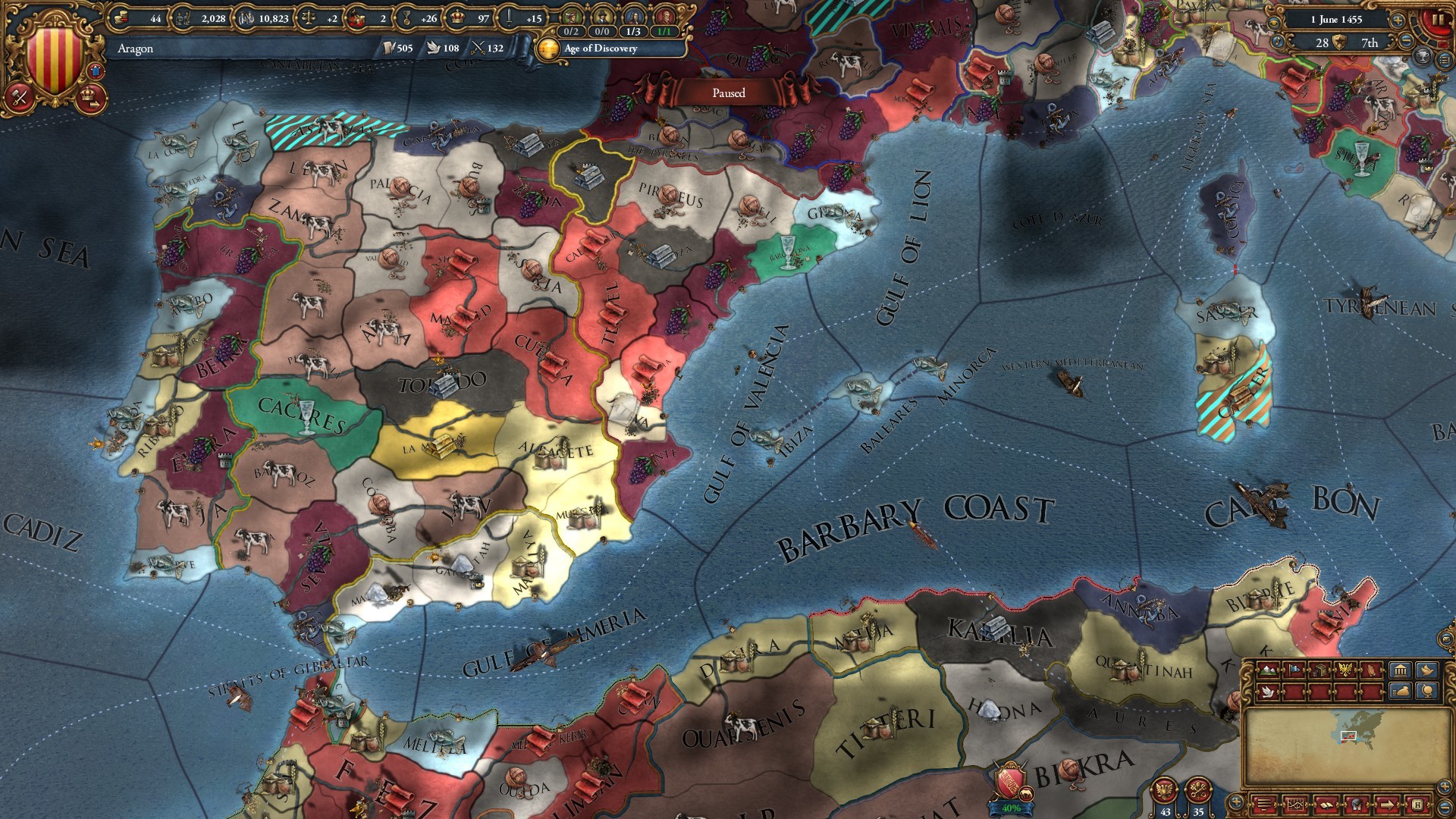
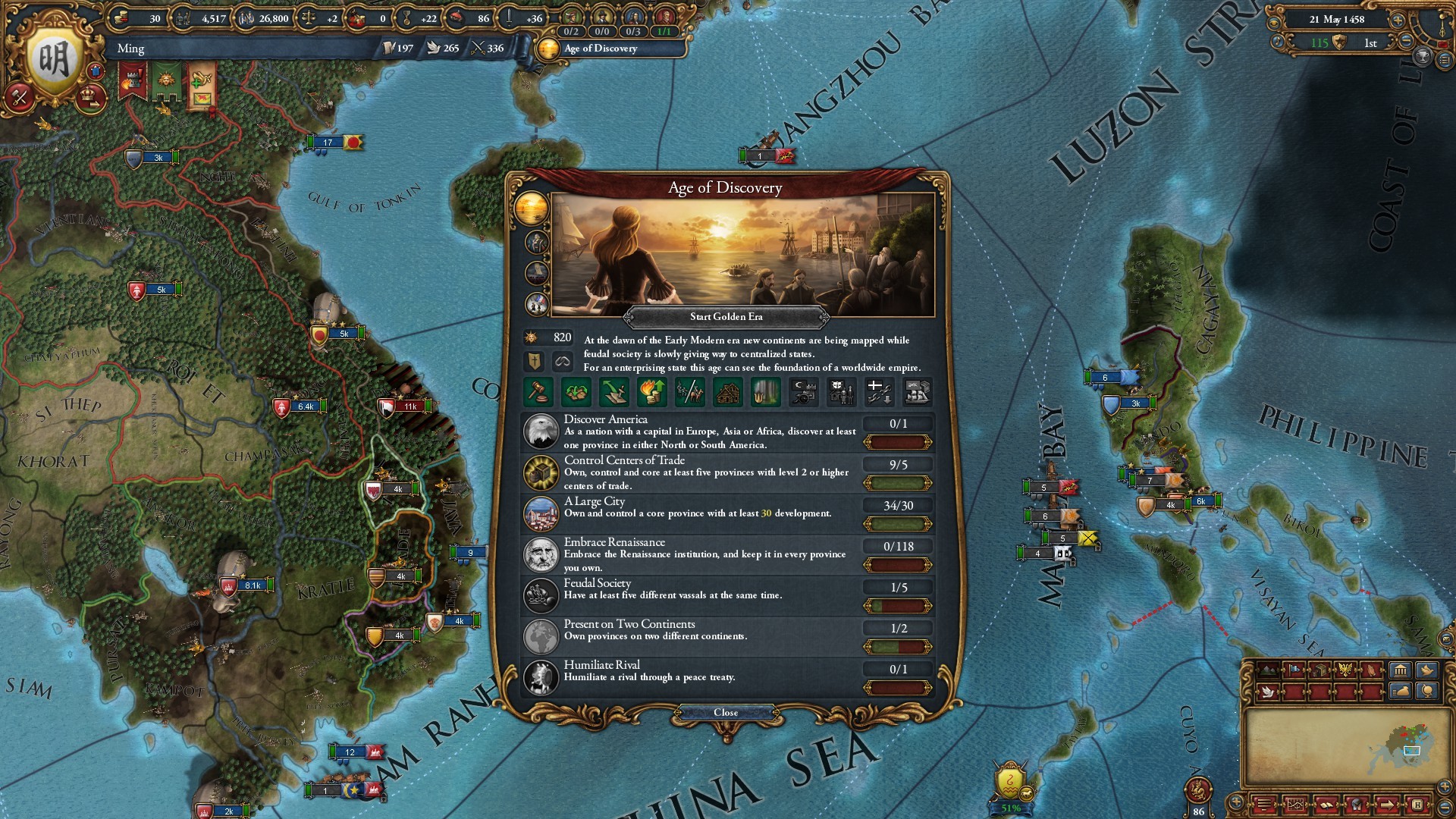
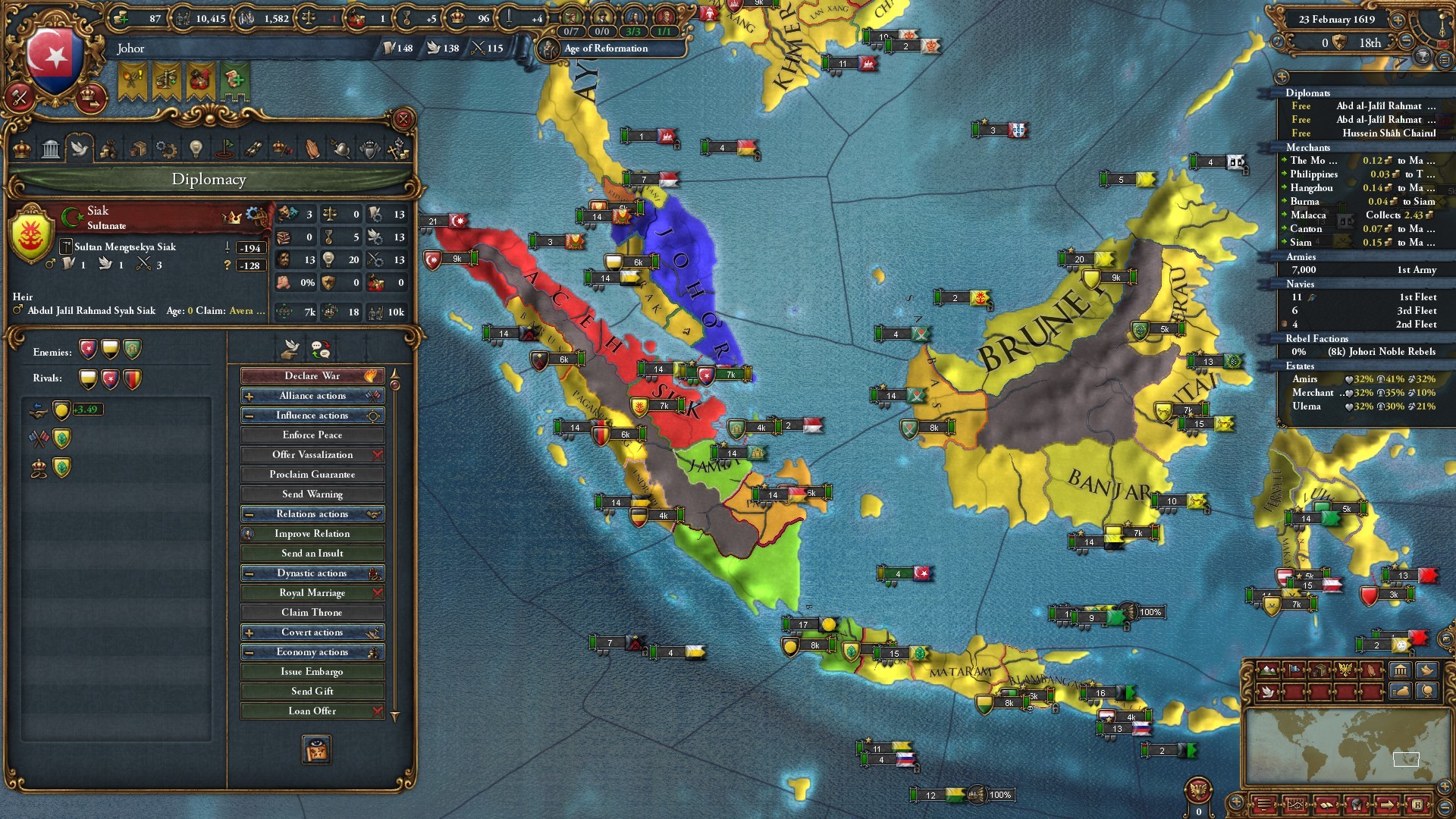
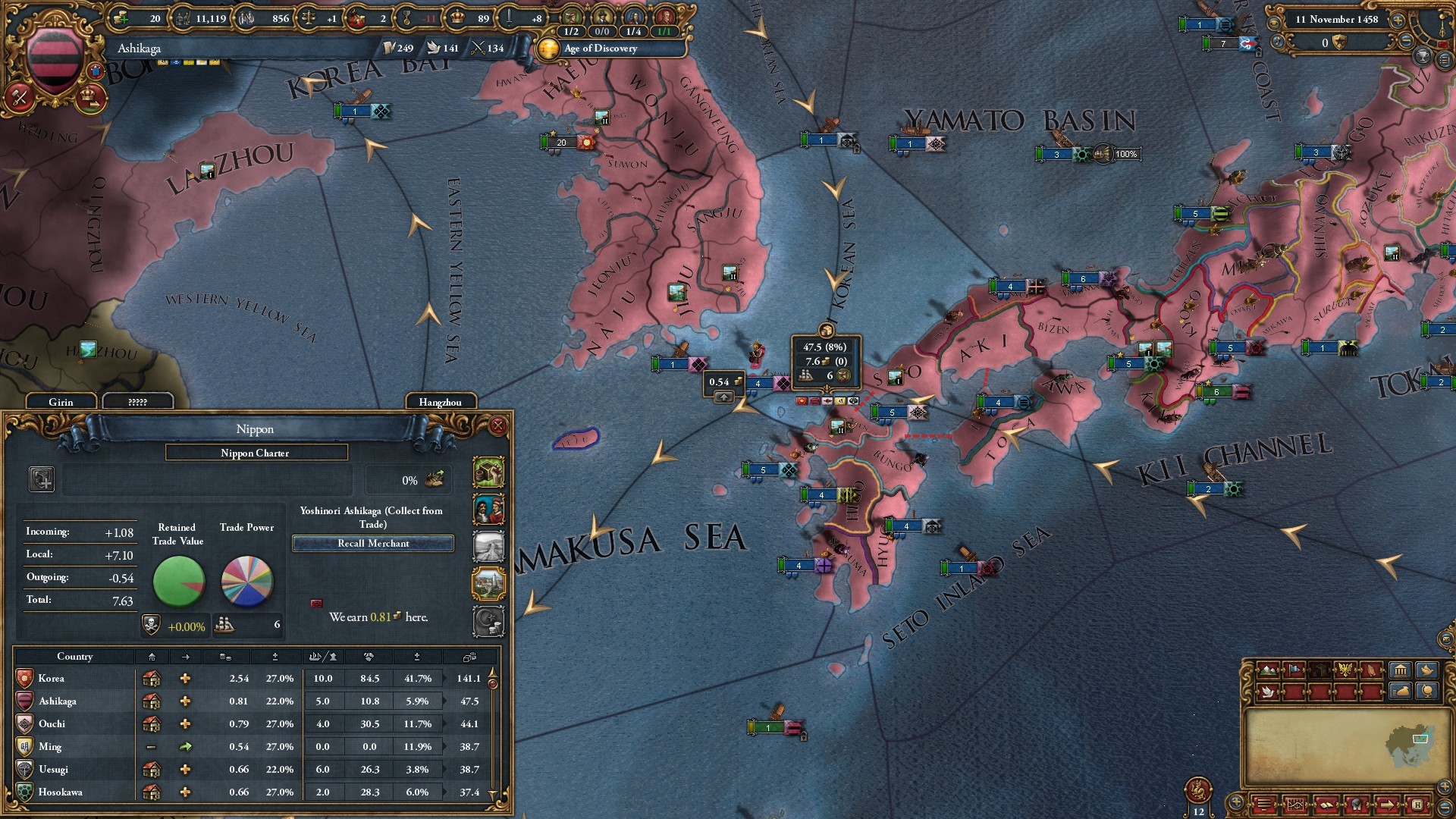
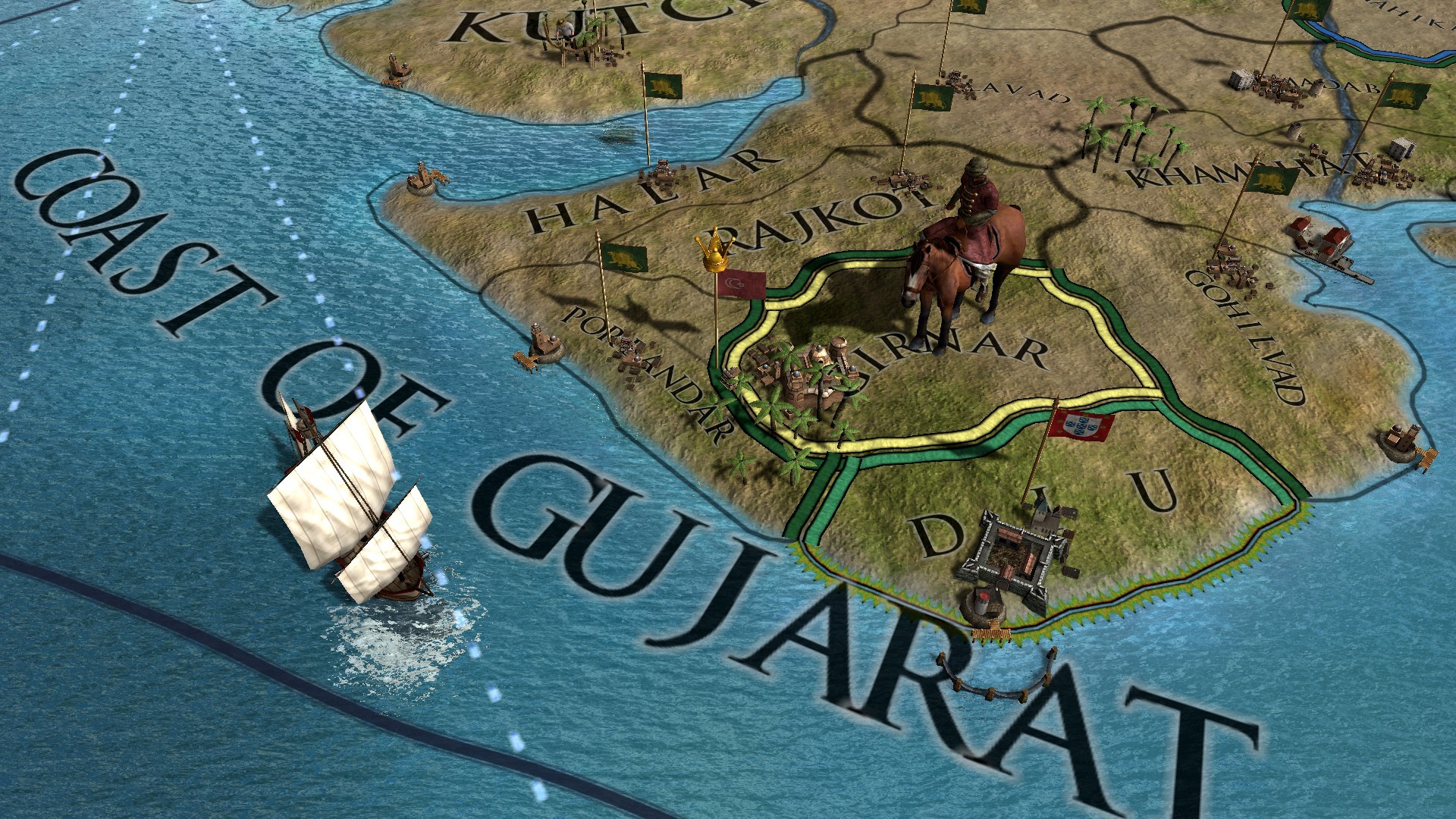
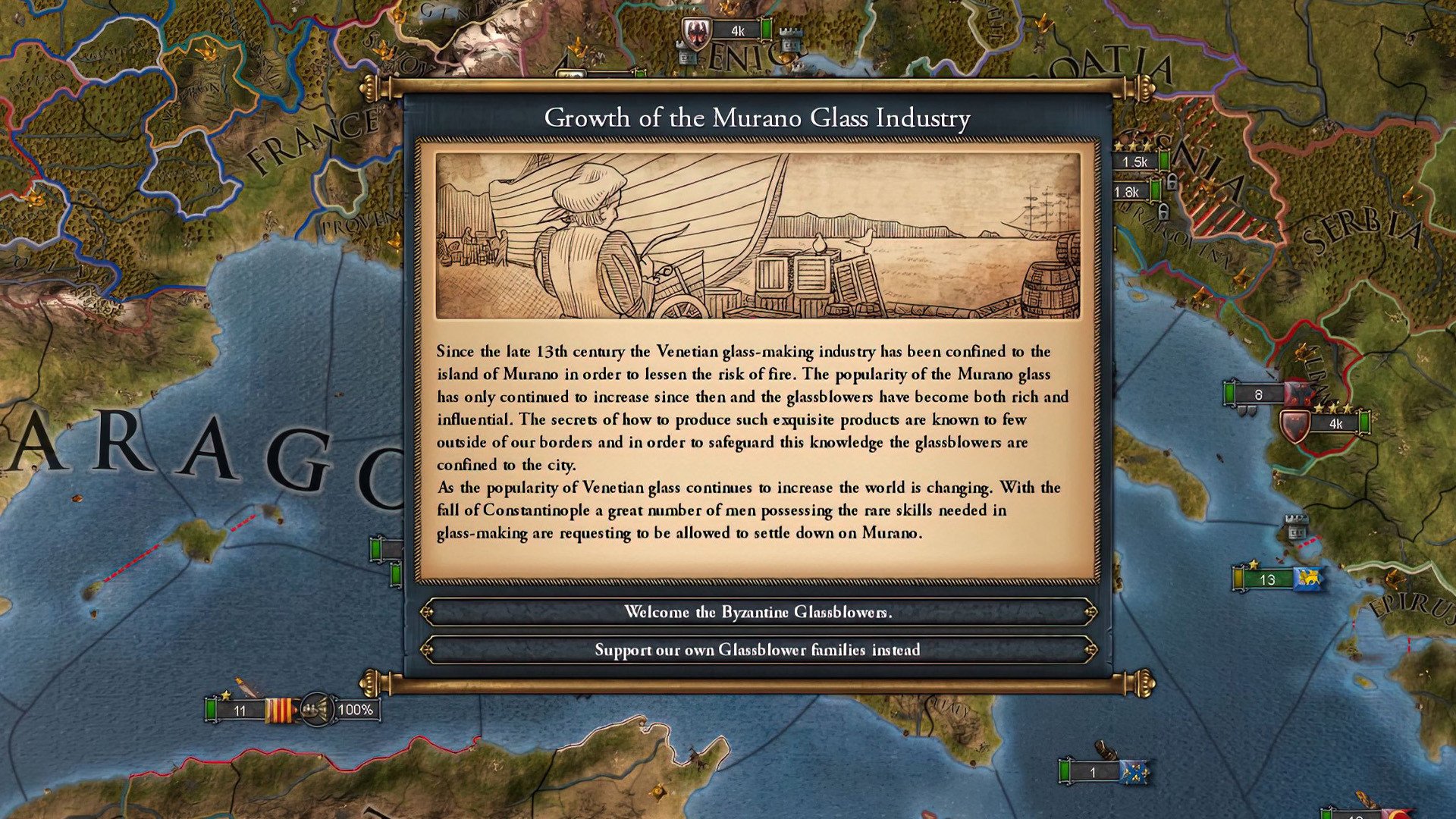
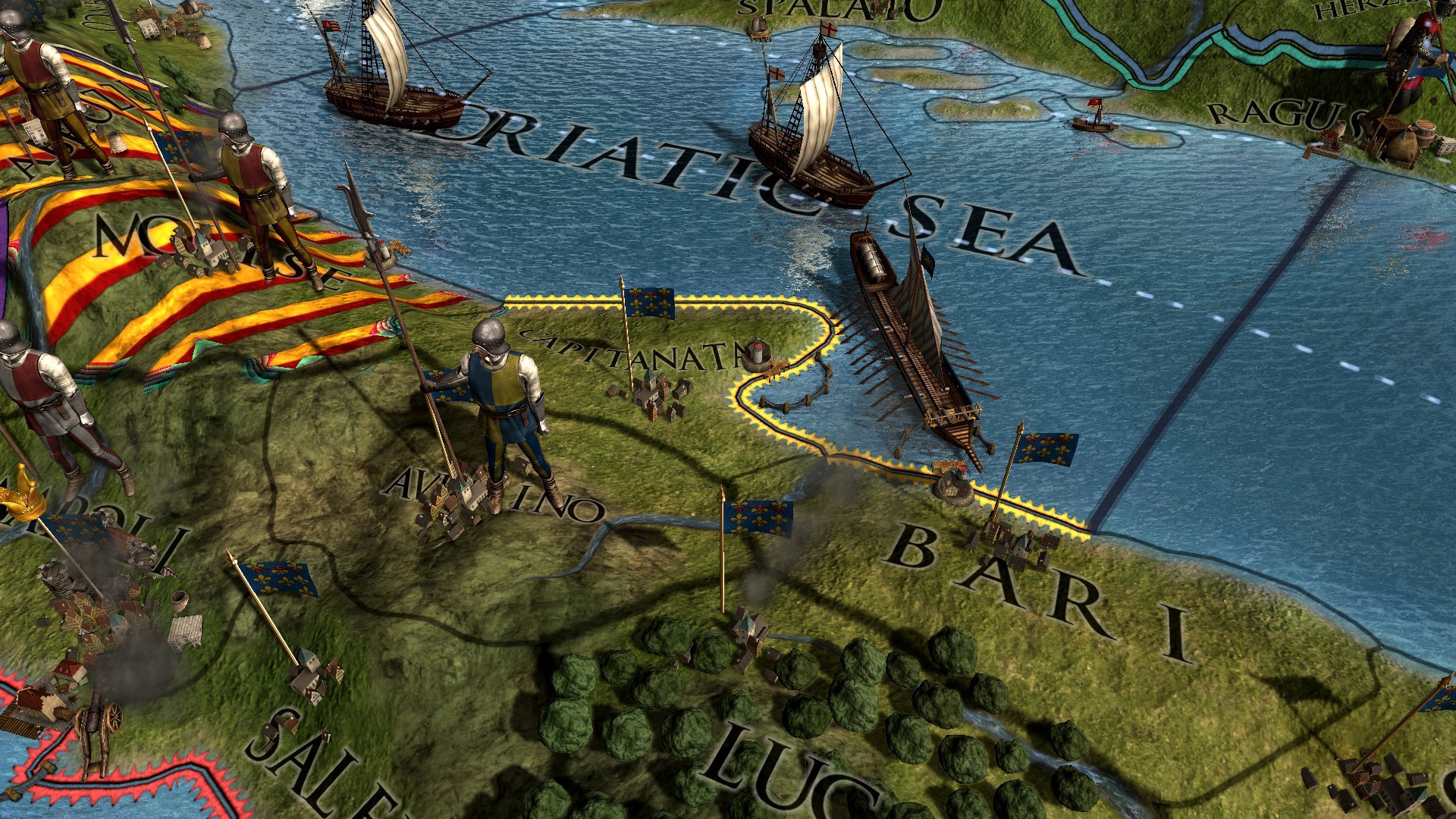
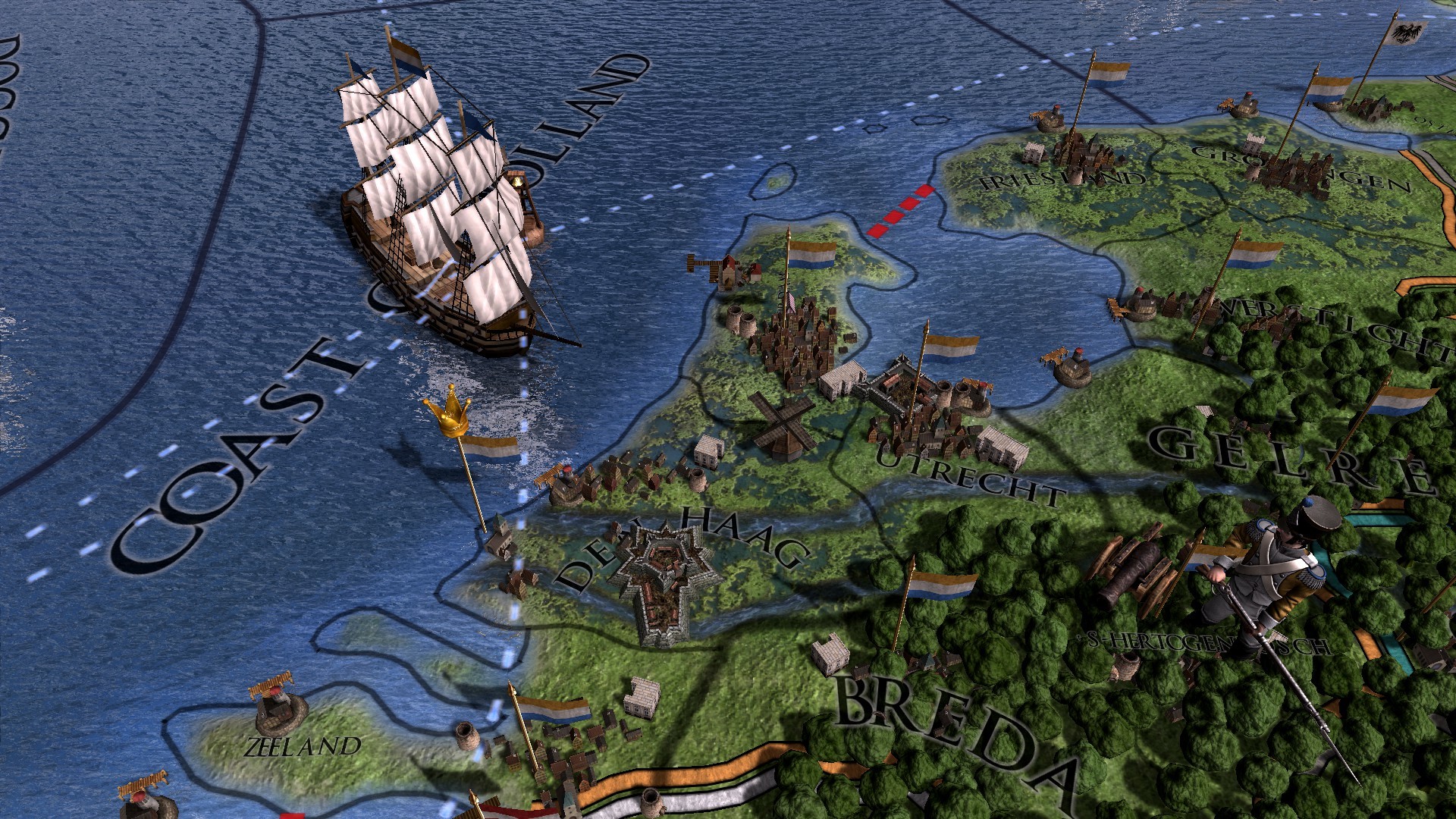
In Europa Universalis IV, the visual design leans into clarity and historical atmosphere rather than spectacle, creating a look that feels both functional and immersive. The game presents its world through a richly detailed map that acts as the main stage, where continents are painted with soft, earthy tones and shifting borders that reflect the rise and fall of nations. Subtle lighting changes and seasonal effects give the map a sense of life, while oceans, mountains, and terrain types are stylized just enough to remain readable without losing their character.
Instead of focusing on individual characters, the art direction emphasizes scale and perspective. Armies move across the landscape as miniature formations, ships glide along trade routes, and cities grow more prominent as your nation develops. These visual cues make progression feel tangible, turning abstract decisions into something you can see unfold over time. The interface, though dense with information, is carefully layered to match the game’s historical theme, using elegant fonts, parchment textures, and period-inspired icons that reinforce the setting.
What stands out is how the visuals support the mood of long-term strategy. There’s a quiet satisfaction in watching borders expand, alliances shift, and distant regions come into focus as your influence grows. It doesn’t aim for cinematic realism; instead, it builds a consistent and readable world where every visual element serves a purpose. This approach makes the experience feel grounded and thoughtful, drawing players into a version of history that feels alive without ever overwhelming the senses.
Technical Requirements
Europa Universalis IV is designed primarily for PC, with support across Windows, macOS, and Linux, making it widely accessible for strategy players regardless of their setup. It’s available through popular PC storefronts like Steam, where it benefits from ongoing updates and a strong modding community.
In terms of system requirements, the game is relatively forgiving compared to many modern titles. A mid-range processor, around 4GB of RAM, and an older dedicated or integrated graphics solution are enough to get started, making it playable on many entry-level systems. For a smoother experience, especially in the later stages of a campaign where the world becomes more complex, a stronger CPU and additional memory help maintain consistent performance. Since this is a CPU-driven grand strategy game, processing power matters more than graphical horsepower.
Performance is generally stable, with smooth map navigation, responsive menus, and manageable load times, though large-scale campaigns can slow slightly as more nations and calculations come into play. The game scales well across different hardware, allowing players on modest systems to enjoy it comfortably while still benefiting from faster processing on high-end PCs. Resolution support is flexible, and the clean interface ensures readability even on larger displays.
Controls are built around keyboard and mouse, offering precision and ease when managing detailed systems. The interface is dense but intuitive once learned, with customizable keybindings that let players tailor the experience to their preferences. Controller support is limited, reflecting its PC-first design.
Accessibility is handled through adjustable game speed, scalable UI, and clear text-based information. Players can tweak difficulty, pause at any moment, and approach the game at their own pace, making it approachable despite its depth.
Who Is This Game For?
Europa Universalis IV is best suited for players who enjoy deep, systems-driven gameplay and the satisfaction of long-term planning. If you’re someone who likes thinking several steps ahead, managing complex systems, and watching your decisions slowly shape a larger outcome, this is the kind of experience that can feel incredibly rewarding. It განსაკუთრებით appeals to strategy enthusiasts who enjoy grand strategy or simulation games where patience and careful decision-making matter more than quick reflexes.
Players who appreciate historical settings and emergent storytelling will also find a lot to connect with here. The game doesn’t hand you a scripted narrative—instead, it lets you create your own version of history through diplomacy, expansion, and internal development. That makes it a strong fit for those who enjoy sandbox gameplay, where freedom and replayability come from the ability to approach each campaign differently.
It can also appeal to competitive or social players through its multiplayer mode, where strategy becomes more unpredictable and interactive. However, even in single-player, the depth of systems provides a consistently engaging solo experience for those who prefer to play at their own pace.
That said, it may not be the best fit for players looking for fast-paced action, immediate rewards, or a guided story. The learning curve can feel steep at first, and the interface can take time to fully understand. Those who prefer shorter play sessions or more casual, pick-up-and-play experiences might find its pacing demanding.
For the right player, though, it offers a uniquely thoughtful and immersive gameplay style—one where progress feels earned, every decision carries weight, and each campaign becomes a personal story worth seeing through.
FAQ
What kind of game is Europa Universalis IV?
Europa Universalis IV is a historical grand strategy game focused on managing a nation over centuries. It’s built around diplomacy, warfare, trade, and long-term decision-making rather than fast-paced action.
Who is this game best suited for?
It’s ideal for players who enjoy deep strategy, planning, and sandbox-style experiences. Those who like history, complex systems, and replayable campaigns will get the most out of it.
How does the gameplay feel?
The experience is slow and thoughtful, with real-time progression that you can pause anytime. You’ll spend most of your time managing your nation, forming alliances, and adapting to global events.
Is it single-player or multiplayer?
It offers both. Single-player is a solo, self-paced sandbox, while multiplayer lets you compete or cooperate with others in long, strategy-focused sessions.
What platforms is it available on?
The game is available on PC, including Windows, macOS, and Linux, primarily through platforms like Steam.
Does it run well on most systems?
Yes, it’s relatively accessible. It runs on modest hardware, though a stronger CPU helps maintain smoother performance in larger, late-game scenarios.
How much replay value does it offer?
Extremely high. With many nations, different starting points, and player-driven outcomes, no two campaigns feel the same.
Is it beginner-friendly?
There is a learning curve, especially early on. However, players who take time to learn the systems often find it very rewarding.
Are there expansions or extra content?
Yes, the game has a wide range of DLCs that expand mechanics and add depth, though the base game already offers a full experience.
Can it be played offline?
Yes, single-player can be enjoyed offline, while multiplayer requires an internet connection.
FAQ
Operating System (OS)
Other Details

Languages



Reviews
There are no reviews yet.