

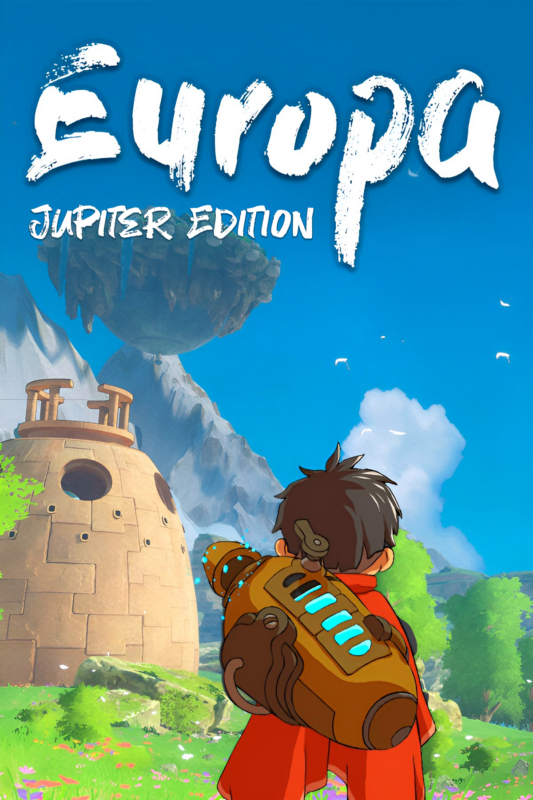
Europa: Jupiter Edition PC Steam Account
5 in stock
copies left5 in stock
Sold by: OMG Gamer






Delivery24/7
supportVerified
Sellers

Product Description
Europa: Jupiter Edition PC Steam Account
Quck Intro
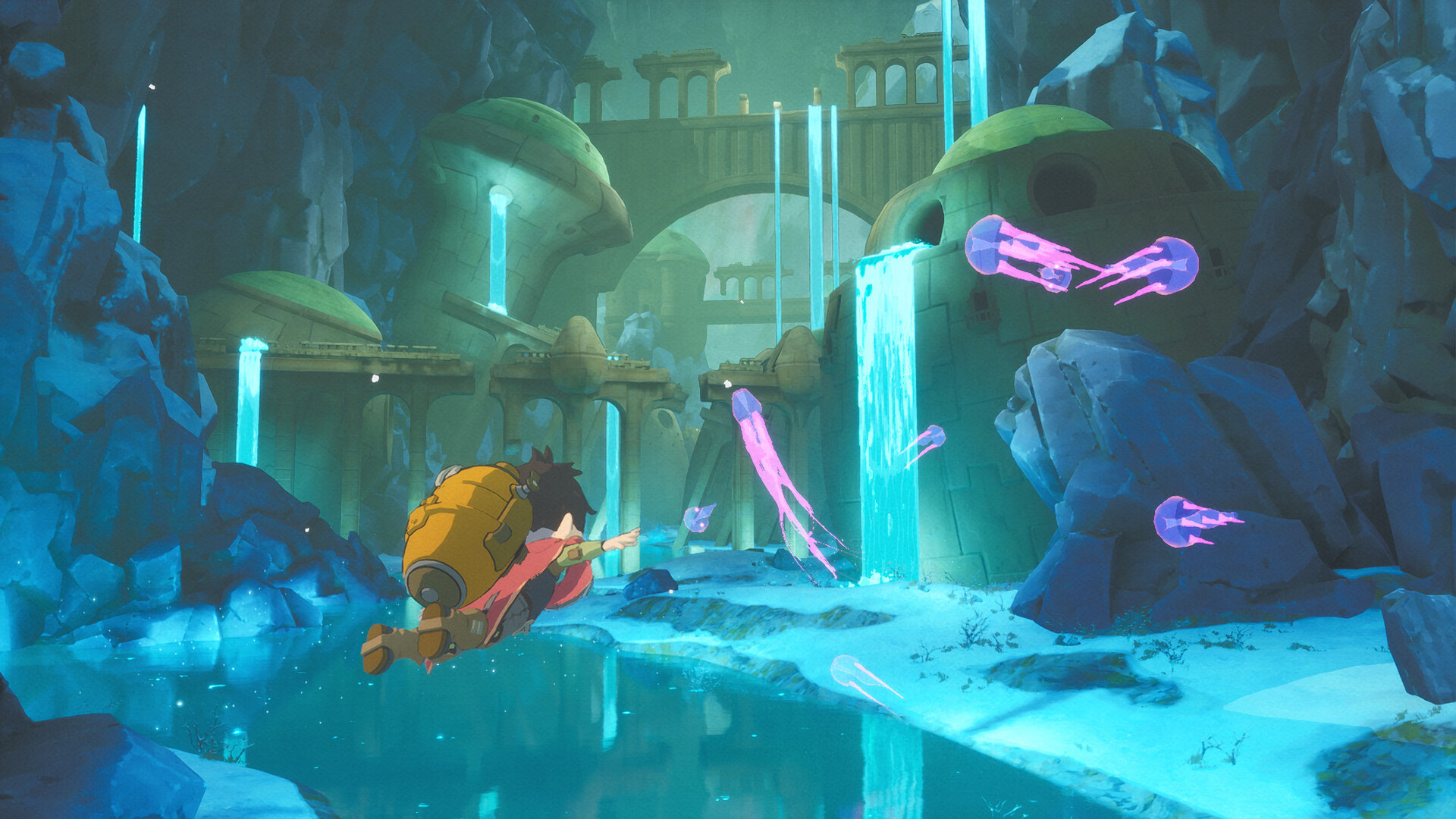
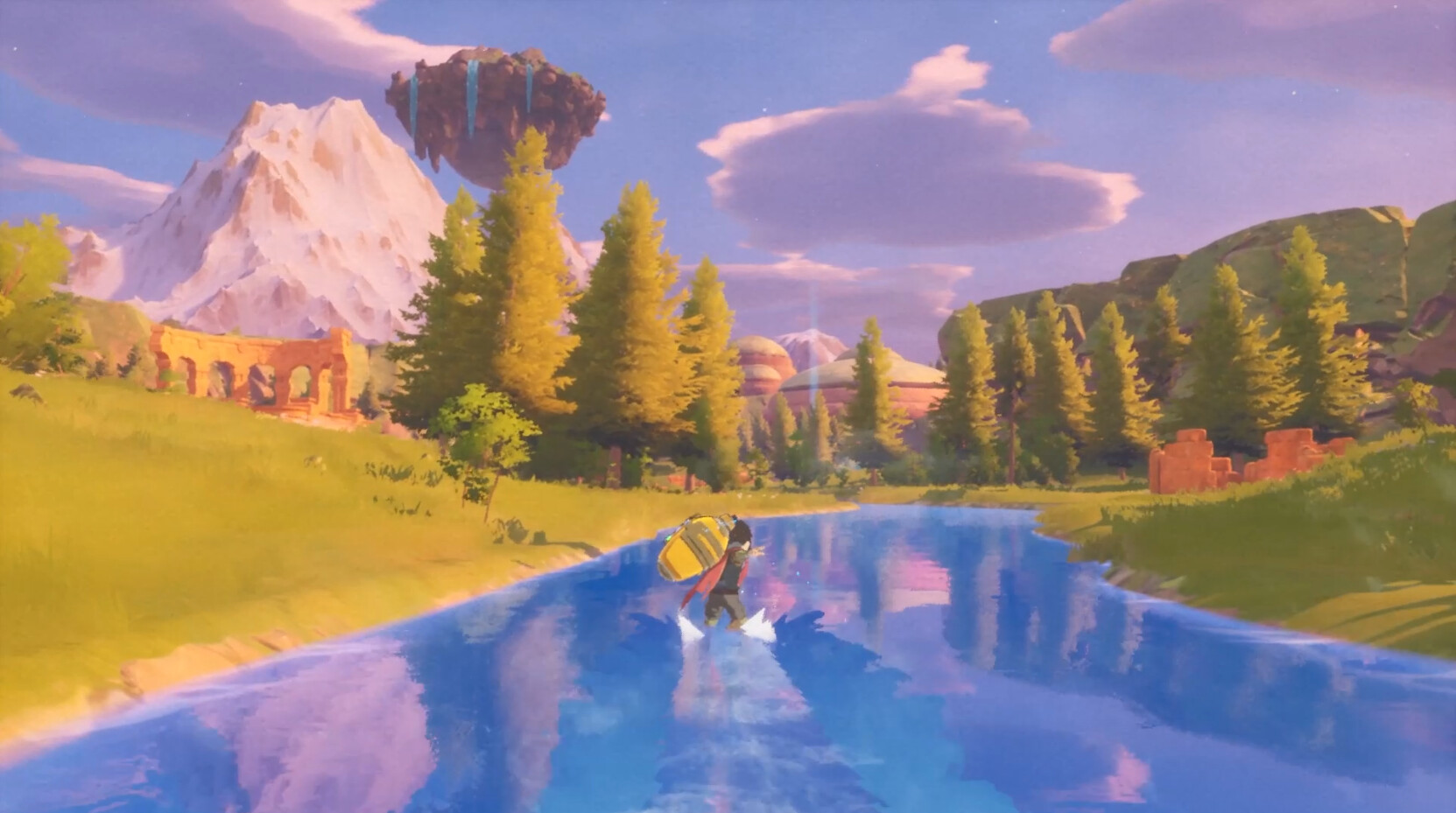
Europa: Jupiter Edition introduces players to a serene, exploration-focused adventure set on a terraformed vision of Jupiter’s moon Europa. You step into the role of Zee, an android searching for answers in a vast, hand-crafted landscape filled with floating islands, ancient ruins, and shifting environmental puzzles. The gameplay blends fluid jetpack movement with light puzzle-solving and platforming, encouraging you to glide across lakes, climb ruins, and uncover fragments of a forgotten story. With its calm pacing and emphasis on discovery over combat, the experience is designed for players who enjoy atmospheric exploration games and narrative-driven journeys. Subtle environmental storytelling and dynamic traversal mechanics keep each area engaging, while the Jupiter Edition enhances the visual and emotional depth of the world, making every moment feel quietly meaningful.
About
Europa: Jupiter Edition is a third-person exploration adventure game set on a reimagined, terraformed version of Jupiter’s moon Europa. Players step into the role of Zee, an android exploring a vast and tranquil world filled with floating islands, ancient structures, and environmental mysteries. The game focuses on movement, discovery, and atmosphere rather than combat, offering a reflective sci-fi experience built around curiosity and quiet storytelling.
At its core, the gameplay loop revolves around traversal and exploration. Players glide across landscapes using a jet-powered movement system, solve light environmental puzzles, and uncover fragments of a larger narrative hidden across the world. Each area encourages experimentation, rewarding players who take time to observe their surroundings and piece together meaning from visual cues and audio logs. Progression is subtle, driven by unlocking new abilities that expand how far and how freely you can explore.
What sets Europa apart from other exploration games is its calm pacing and emphasis on fluid movement. Instead of pressure or challenge spikes, it prioritizes flow, letting players move seamlessly through handcrafted environments that feel both alien and familiar. The world design leans heavily into atmospheric storytelling, where silence and scenery carry as much weight as dialogue.
This game will especially appeal to players who enjoy story-driven exploration games, atmospheric sci-fi settings, and meditative gameplay experiences. Casual players looking for a relaxing journey will find it approachable, while narrative-focused gamers will appreciate its layered environmental storytelling.
Rather than pushing urgency, Europa invites players to slow down, observe, and connect with its world at their own pace, making every discovery feel personal and quietly meaningful. Every moment is designed to encourage reflection, gentle momentum, and a sense of wonder that stays with players even after they step away from the game long after the journey ends in quiet memory still.
Key Features
Explore a serene sci-fi world where movement, discovery, and atmosphere define the experience. Europa: Jupiter Edition places you in the role of Zee, an android navigating a beautifully reimagined moon of Jupiter, designed for exploration-driven gameplay rather than combat-heavy action.
Fluid jetpack traversal system that lets you glide, boost, and hover across open landscapes. Movement feels continuous and weightless, encouraging players to chain momentum between platforms, ruins, and floating terrain without interruption.
Open-world exploration built around curiosity instead of strict objectives. Players are free to follow environmental clues, investigate ancient structures, and uncover narrative fragments scattered across handcrafted regions.
Environmental puzzle design that blends naturally into the world. Challenges are light but thoughtful, often tied to physics, timing, or observation, rewarding players who slow down and engage with their surroundings.
Atmospheric storytelling delivered through visual detail, sound design, and subtle narrative cues. Instead of heavy exposition, the game lets players interpret the world and piece together its history at their own pace.
A non-combat focused experience that prioritizes relaxation and flow. The absence of traditional combat systems creates a calm rhythm, making it ideal for players who enjoy meditative exploration games.
Progression through ability expansion, where unlocking new movement options gradually opens previously unreachable areas. This supports a soft Metroidvania-style structure without overwhelming complexity.
A handcrafted sci-fi environment inspired by natural landscapes and futuristic architecture. Every region is designed to feel distinct, encouraging long-term exploration and return visits.
Minimal UI and immersive presentation that keeps focus on the world itself. The interface is intentionally subtle, supporting uninterrupted exploration and player immersion.
Replayable exploration paths driven by freedom of movement and hidden discoveries. Players can revisit areas with new abilities to uncover optional secrets and deeper environmental context.
Designed for story-driven and exploration-focused players who enjoy atmospheric adventure games, relaxing pacing, and environmental narrative design that rewards attention and curiosity throughout the journey.
Gameplay
Europa: Jupiter Edition is built around fluid exploration and movement-first gameplay, placing players in a vast, low-gravity world where traversal is the core interaction. You control Zee, an agile android capable of gliding across landscapes using a jet-powered flight system that turns every hill, ruin, and floating island into part of a continuous path rather than separate obstacles. Instead of traditional combat encounters, the focus stays on momentum, observation, and environmental interaction.
The main gameplay loop is simple to understand but layered in execution. Players explore interconnected regions, search for hidden pathways, and unlock new traversal abilities that gradually expand access to previously unreachable areas. Progress is driven by discovery rather than linear missions, encouraging you to revisit locations with improved movement options and uncover deeper layers of the world’s structure. Each area contains light environmental puzzles that rely on timing, positioning, and understanding the terrain rather than complex systems.
Exploration is supported by an immersive action-adventure gameplay structure where curiosity is consistently rewarded. You might glide through open valleys, ascend ancient architecture, or follow subtle visual cues that lead to optional secrets. The world design encourages freeform navigation, allowing players to choose their own routes instead of following strict objectives, which creates a strong sense of player agency.
As progression unfolds, new abilities refine how you move through the environment. These upgrades do not change the game into a combat-driven experience but instead enhance flow, speed, and vertical reach, making earlier zones feel newly accessible. This creates a natural replay loop where exploration deepens over time.
There is no competitive multiplayer focus, keeping the experience centered on a single-player journey. Difficulty remains gentle and consistent, prioritizing immersion over challenge spikes, which makes it approachable for both casual players and those who enjoy thoughtful exploration-based games.
Over time, gameplay evolves from simple traversal to a more expressive form of movement mastery, where skilled players can chain jumps, boosts, and glides seamlessly. The result is an experience defined by freedom, atmosphere, and steady discovery, where the joy comes from how you move through the world as much as what you find within it.
Story & World
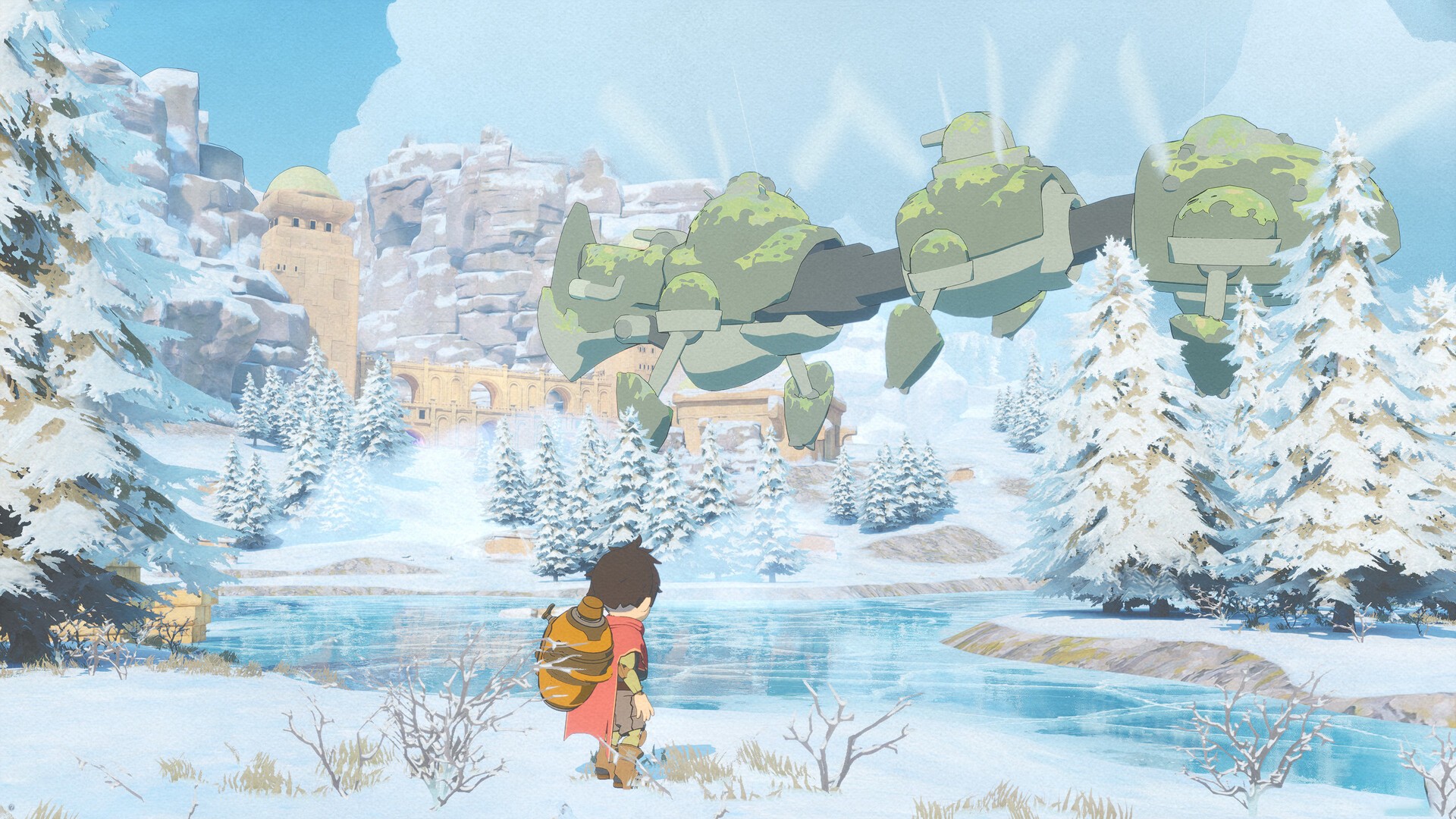
Europa: Jupiter Edition is set on a reimagined version of Jupiter’s moon Europa, a once-hostile world transformed into a fragile, ocean-covered frontier shaped by advanced terraforming and forgotten ambition. The surface is not a single continuous landmass but a collection of drifting islands, submerged ruins, and crystalline structures rising from icy waters. Beneath its calm exterior lies the trace of a long-lost human presence, where technology and nature have slowly merged into something unfamiliar yet strangely peaceful. The world is designed to feel vast, quiet, and contemplative, inviting players to interpret its history through exploration rather than exposition.
Players take on the role of Zee, an android created for observation and mobility, who awakens alone in this evolving environment with limited understanding of its past. Rather than a traditional hero’s journey, the experience frames Zee as both witness and participant, gradually uncovering fragments of memory embedded within the landscape itself. The narrative does not rely on direct instruction, instead unfolding through environmental storytelling, subtle audio cues, and the visual language of ruins that hint at lost civilizations and abandoned scientific endeavors.
This world is shaped by remnants of a once-expansive human effort to transform Europa into a habitable frontier, leaving behind layered structures that blur the line between natural formation and engineered design. Over time, ecosystems have adapted around these ruins, creating environments where biology and machinery coexist in quiet tension. There are no clear factions in the traditional sense, but echoes of different scientific collectives and exploration programs can be felt through data fragments, dormant systems, and partially functioning relics scattered across regions.
The atmosphere of Europa: Jupiter Edition is defined by stillness, scale, and discovery. Wide horizons stretch across shimmering water and floating terrain, encouraging slow movement and careful observation rather than urgency. Sound design plays a crucial role in shaping the world’s identity, with distant echoes, ambient wind, and subtle mechanical hums reinforcing the feeling of isolation. As players navigate this space, the story gradually reveals itself not as a sequence of events, but as an emotional reconstruction of what this place once meant and what it has become.
It is a world that encourages reflection through movement, where exploration naturally becomes storytelling and every discovered location adds depth to a larger, interconnected mystery. Rather than guiding the player with strict objectives, it allows curiosity to shape the journey, rewarding attention and patience. Europa feels both distant and intimate, a place suspended between memory and transformation, inviting players to engage with its quiet narrative at their own pace.
Ultimately, Europa: Jupiter Edition presents a narrative experience shaped by silence, movement, and discovery, where meaning emerges gradually through exploration rather than exposition. It is designed for players who appreciate sci-fi worlds that unfold organically, rewarding observation and interpretation over direct explanation. As you move through its evolving landscapes, the line between story and environment begins to dissolve, leaving behind a lingering sense of curiosity and connection that continues beyond the journey itself long after the journey ends still.
Game Modes
Europa: Jupiter Edition is primarily built as a single-player exploration experience, but it offers a few distinct ways to engage with its world depending on how you prefer to play and what kind of pace you enjoy.
The main mode is the Journey experience, where players follow Zee’s progression through Europa’s evolving landscape. This is the most narrative-aligned way to play, where exploration naturally connects with environmental storytelling and gradual ability unlocks. Players move through structured regions, but still retain freedom in how they navigate each space. It’s designed for those who enjoy open-world exploration games with a calm, story-led rhythm and a focus on immersion rather than pressure or strict objectives.
Alongside this, Exploration Mode allows for a more open-ended approach. Here, the emphasis shifts away from narrative progression and toward pure discovery. Players can revisit previously unlocked areas, experiment with traversal systems, and uncover hidden routes or environmental secrets without being guided by story pacing. This mode appeals to players who enjoy sandbox-style exploration and want to spend more time simply moving through the world at their own speed.
For those who prefer structured challenges, Europa also includes optional Trial Paths. These are focused sequences that test movement mastery and environmental awareness, asking players to navigate efficiently through complex terrain using the game’s jet-powered traversal system. They are not combat-driven, but instead reward precision, timing, and understanding of the movement mechanics, offering a satisfying contrast to the slower exploration flow.
Across all modes, progression carries over in the form of unlocked abilities and expanded mobility, allowing the world to gradually open up in new ways. This creates a sense of long-term replay value, as earlier areas can feel different once new traversal options are available.
Together, these modes ensure Europa: Jupiter Edition can be experienced as a guided narrative journey, a relaxed exploration sandbox, or a skill-based movement challenge, depending on how the player chooses to engage with its world.
Visuals & Art Style
Europa: Jupiter Edition presents a visual identity that feels calm, deliberate, and deeply atmospheric from the very first moment you step into its world. The game leans into a stylized sci-fi aesthetic, where realism and artistic interpretation sit side by side rather than competing. Instead of overwhelming detail, it focuses on clarity of form, wide-open composition, and environments that feel both alien and strangely familiar.
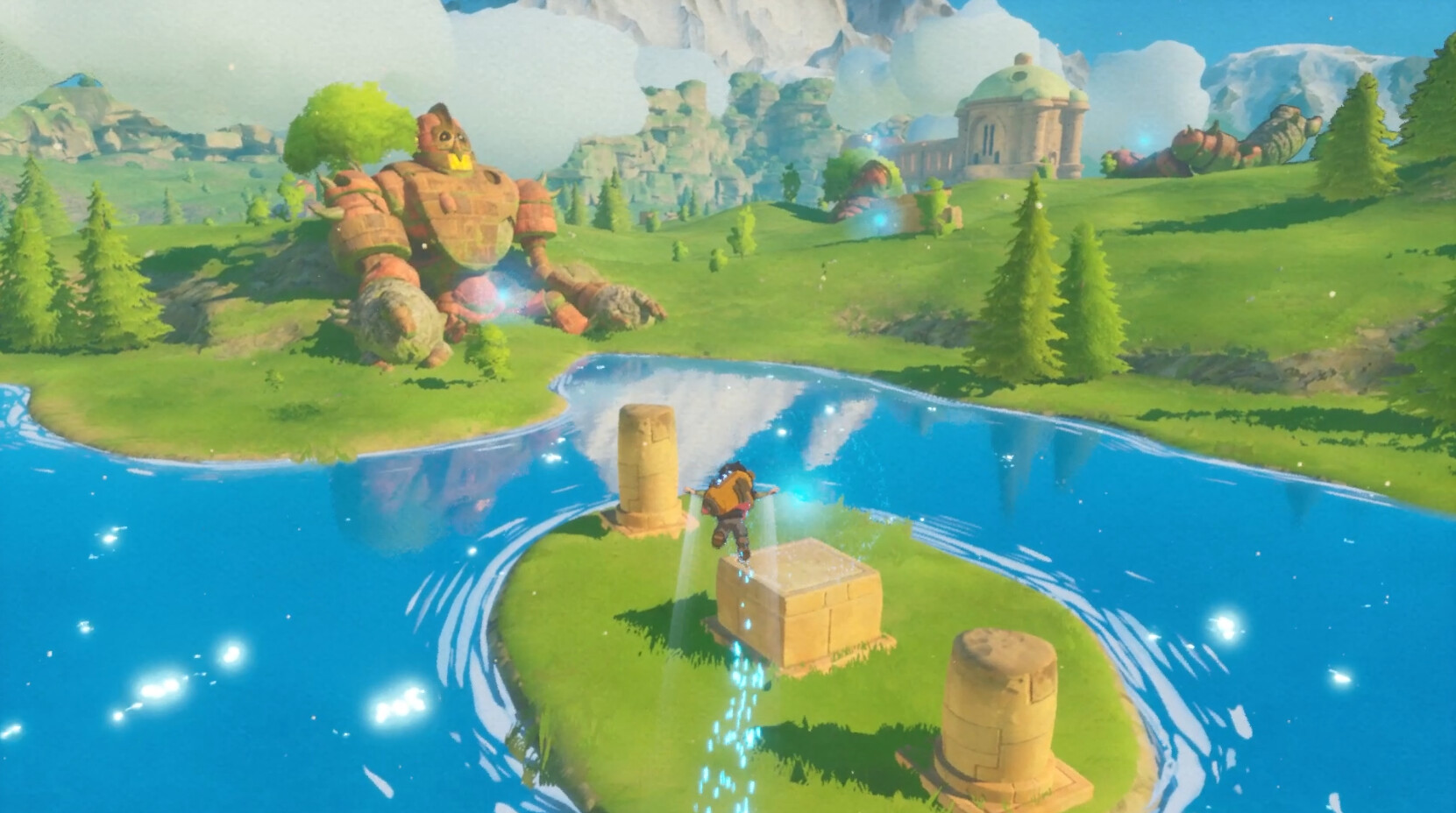
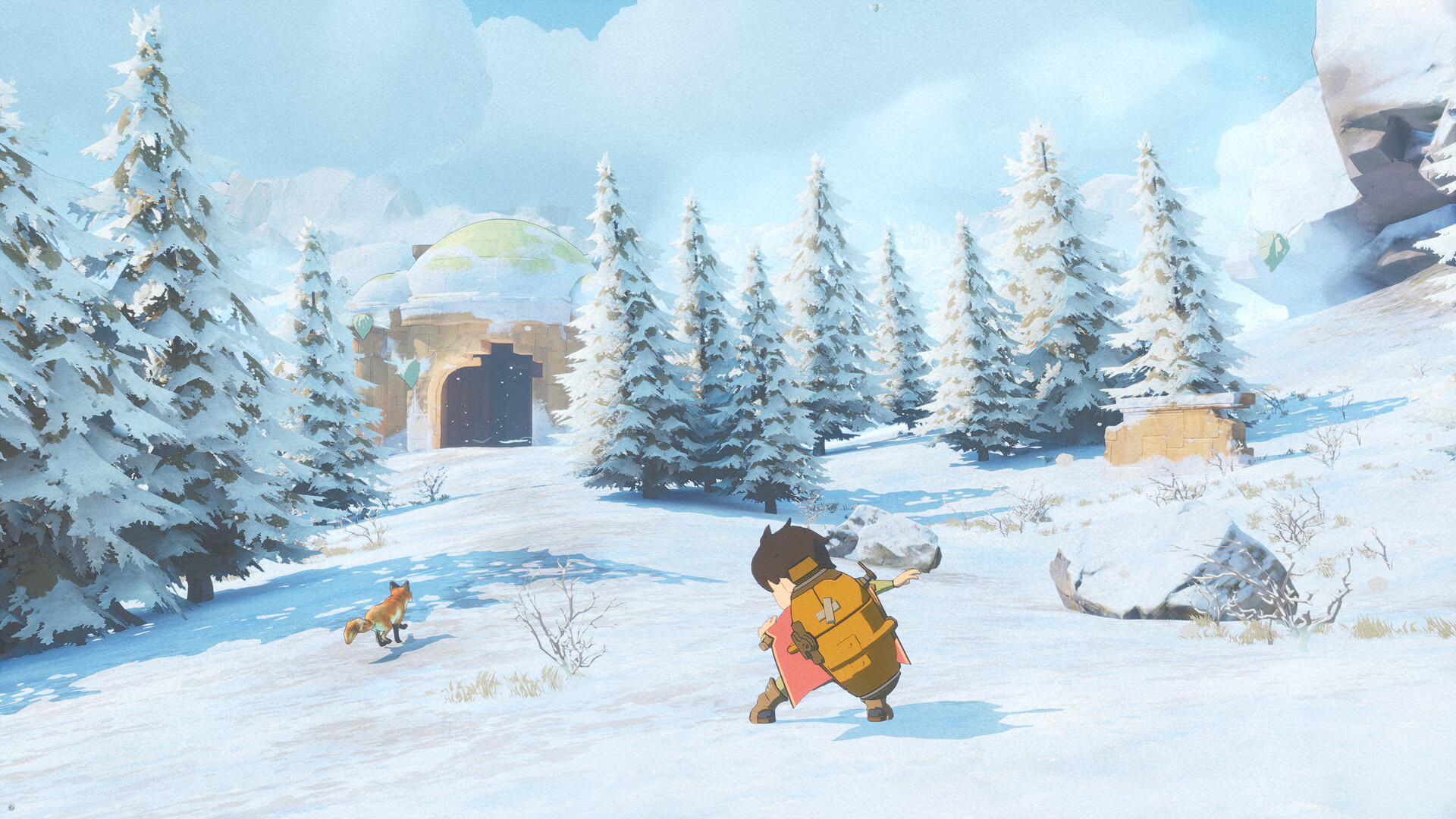
The landscapes of Europa are defined by soft, diffused lighting and a cool, muted color palette. Shades of icy blue, pale teal, and weathered stone dominate the environment, occasionally broken by warm highlights from ancient structures or active energy systems. This contrast gives each region a quiet visual rhythm, guiding the eye without ever feeling intrusive. Water surfaces reflect the sky with a glass-like stillness, while floating terrain pieces drift subtly, reinforcing the sense of low gravity and otherworldly calm.
Character and android design follows the same philosophy of restraint. Zee, the player character, is designed with smooth, minimal contours that avoid excessive mechanical complexity, allowing movement and expression to remain the focus. Animations are fluid and weightless, with jet-assisted traversal producing graceful arcs through the air rather than rigid or mechanical motion. This sense of flow is a key part of how the game communicates emotion visually.
Environments are built with strong silhouettes and layered depth, encouraging exploration through visual curiosity rather than direction markers. Ruins feel eroded yet intentional, as if shaped by both human ambition and natural transformation over time. Subtle environmental effects like drifting particles, soft volumetric light, and distant atmospheric haze help create a sense of scale that feels almost meditative.
What makes the art style of Europa: Jupiter Edition stand out is how consistently it supports mood over spectacle. Every visual choice reinforces stillness, discovery, and movement, ensuring that exploration feels emotionally grounded rather than purely mechanical. It is a world designed not just to be seen, but to be experienced slowly, where each frame feels composed and purposeful, encouraging players to linger and absorb the quiet beauty of its evolving surface.
Technical Requirements
Europa: Jupiter Edition is available on PC and current-generation consoles, designed to scale smoothly across a wide range of hardware. On PC, it supports both Windows setups from entry-level gaming rigs to high-end systems, with the experience adapting based on your configuration. While lower-end machines can run the game at reduced settings with stable performance, mid-range and above systems allow for higher resolutions, improved visual effects, and more consistent frame pacing during fast traversal moments.
The game is built with optimization in mind, meaning load times are kept minimal and world streaming is handled seamlessly to support uninterrupted exploration. On capable hardware, players can expect smooth frame rates that enhance the fluid jet-powered movement system, especially when gliding across large open environments. On consoles, the experience is tuned for stability and consistent performance, balancing visual fidelity with responsive controls.
Europa supports full keyboard and mouse input on PC, alongside complete controller compatibility for both PC and consoles. The control scheme is designed around movement clarity, with intuitive mapping for jetpack traversal, camera control, and environmental interaction. Players also have access to full key remapping and sensitivity adjustments, allowing them to tailor the setup to their preferred playstyle.
Accessibility options are integrated to ensure a comfortable experience for a wide range of players. These include adjustable subtitle settings, scalable text, and audio balancing controls for dialogue, ambience, and effects. Visual customization options help improve clarity in different environments, while multiple difficulty and assistance settings allow players to adjust traversal sensitivity and puzzle guidance based on preference.
Across all platforms, Europa: Jupiter Edition is designed to feel responsive and consistent, whether you are exploring on a handheld controller or a high-end gaming PC. The focus remains on delivering a smooth, uninterrupted exploration experience where performance supports immersion rather than distracting from it, allowing players to stay fully engaged in the world’s atmosphere and movement-driven gameplay.
Who Is This Game For?
Europa: Jupiter Edition is best suited for players who enjoy exploration-driven, atmospheric games where movement, discovery, and mood matter more than fast-paced combat or competitive pressure. If you’re someone who likes open-world exploration gameplay that feels calm and immersive, where you can move at your own pace and take in environmental storytelling, this game will likely resonate with you.
It appeals strongly to casual and story-focused players who prefer single-player experiences over multiplayer competition. There is no emphasis on leaderboards, PvP systems, or complex combat mechanics. Instead, the experience is built around curiosity, slow discovery, and a steady sense of progression through movement and exploration. Players who enjoy sci-fi settings, minimalist narrative design, and games that let the world speak through visuals and atmosphere will find a natural fit here.
At the same time, Europa also speaks to players who appreciate traversal-based gameplay systems. If you enjoy mastering movement mechanics, gliding through open environments, and gradually unlocking new ways to navigate a world, the experience offers a satisfying sense of flow. The progression system is light but meaningful, making it accessible without feeling shallow.
However, players who are looking for intense action combat, heavy RPG systems, or highly competitive multiplayer content may find the pacing too relaxed. The game is intentionally designed to avoid constant challenge spikes or high-pressure scenarios. Its focus is on immersion and exploration rather than mechanical complexity or difficulty-driven progression.
It also may not be ideal for players who prefer highly structured objectives or mission-heavy gameplay loops. Europa gives more freedom than guidance, which means progress often comes from observation and curiosity rather than strict direction.
Overall, Europa: Jupiter Edition is for players who want a reflective, exploration-first experience where gameplay, atmosphere, and world design work together to create a sense of quiet discovery. It’s a good fit if you value mood, movement, and storytelling through environment over fast systems or competitive depth.
FAQ
What kind of game is Europa: Jupiter Edition?
It is a third-person exploration adventure game set on a reimagined version of Jupiter’s moon Europa. The focus is on movement, discovery, and atmosphere rather than combat or high-intensity action. Players explore a calm sci-fi world filled with environmental storytelling and light puzzle elements.
Is it single-player or multiplayer?
Europa: Jupiter Edition is a single-player experience. It is designed as a personal journey where you explore at your own pace without competitive or co-op systems.
What is the core gameplay like?
Gameplay revolves around fluid traversal using a jet-powered movement system, exploration of open environments, and uncovering hidden narrative fragments. Players spend most of their time gliding through landscapes, solving simple environmental puzzles, and unlocking new movement abilities.
What platforms is it available on?
The game is available on PC and current-generation consoles. It is optimized to scale across different hardware setups, offering smoother performance on higher-end systems while remaining accessible on mid-range configurations.
What are the system requirements like on PC?
On PC, the game is designed to run on a wide range of systems. Lower settings support entry-level gaming PCs, while higher settings are intended for smoother frame rates and improved visual detail. It does not require extreme hardware to run comfortably.
How long is the game and does it have replay value?
The experience is structured around exploration rather than strict mission length. Players can spend additional time revisiting areas with new abilities, uncovering secrets, and exploring optional paths, which adds natural replay value.
Is it suitable for casual players?
Yes. The game is designed to be accessible and relaxing, making it a strong fit for casual players, story-focused gamers, and anyone who prefers exploration over difficulty-heavy gameplay.
Does it require an internet connection?
No, it can be played offline as a complete single-player experience.
Are there additional editions or DLC?
At launch, the focus is on the base experience. Any future content expansions would be optional and clearly separate from the main game.
FAQ
Operating System (OS)
Other Details

Languages





Reviews
There are no reviews yet.