

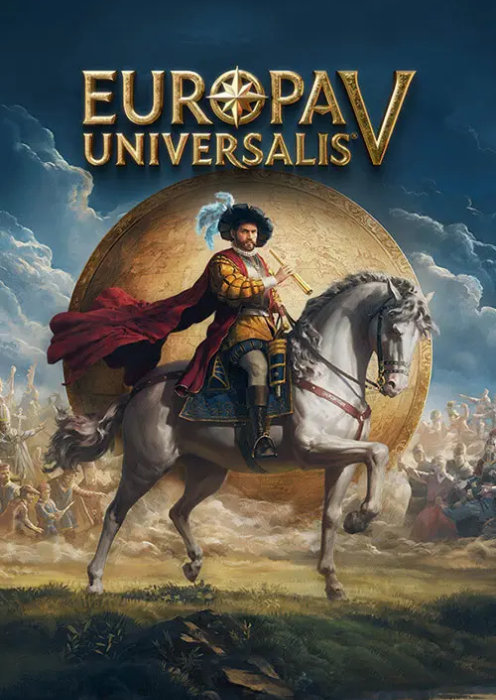
Europa Universalis V PC Steam Altergift
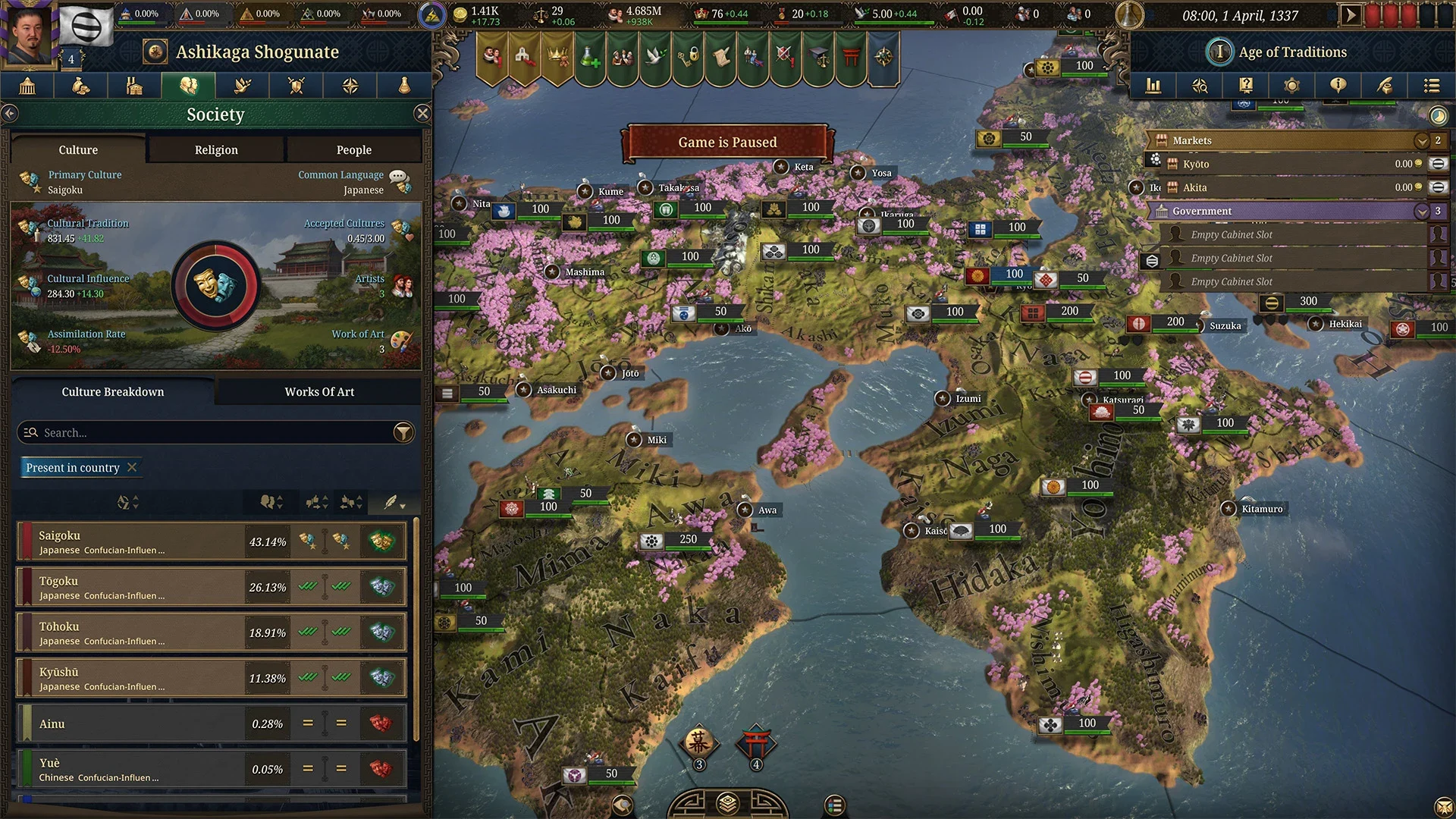
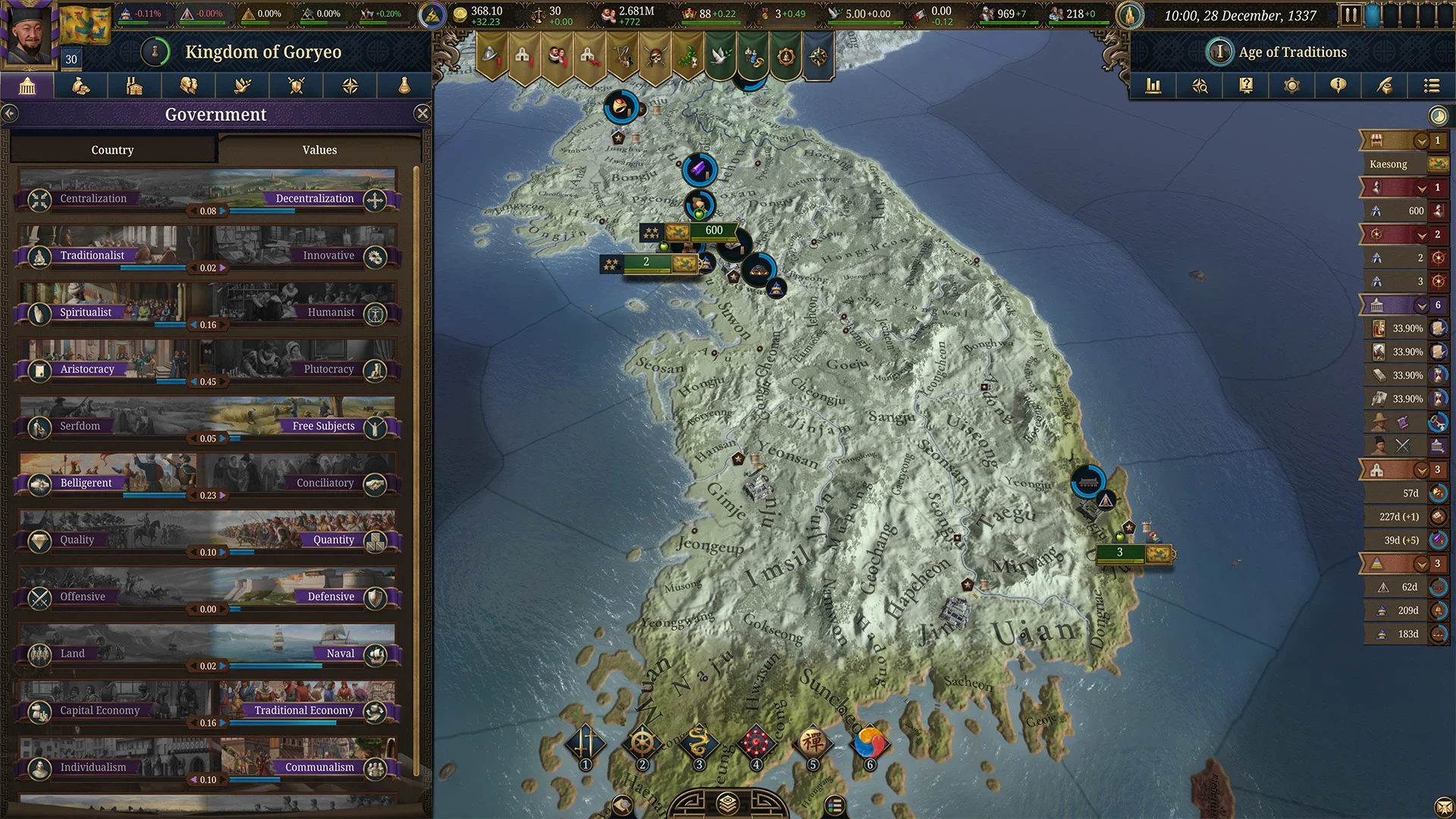
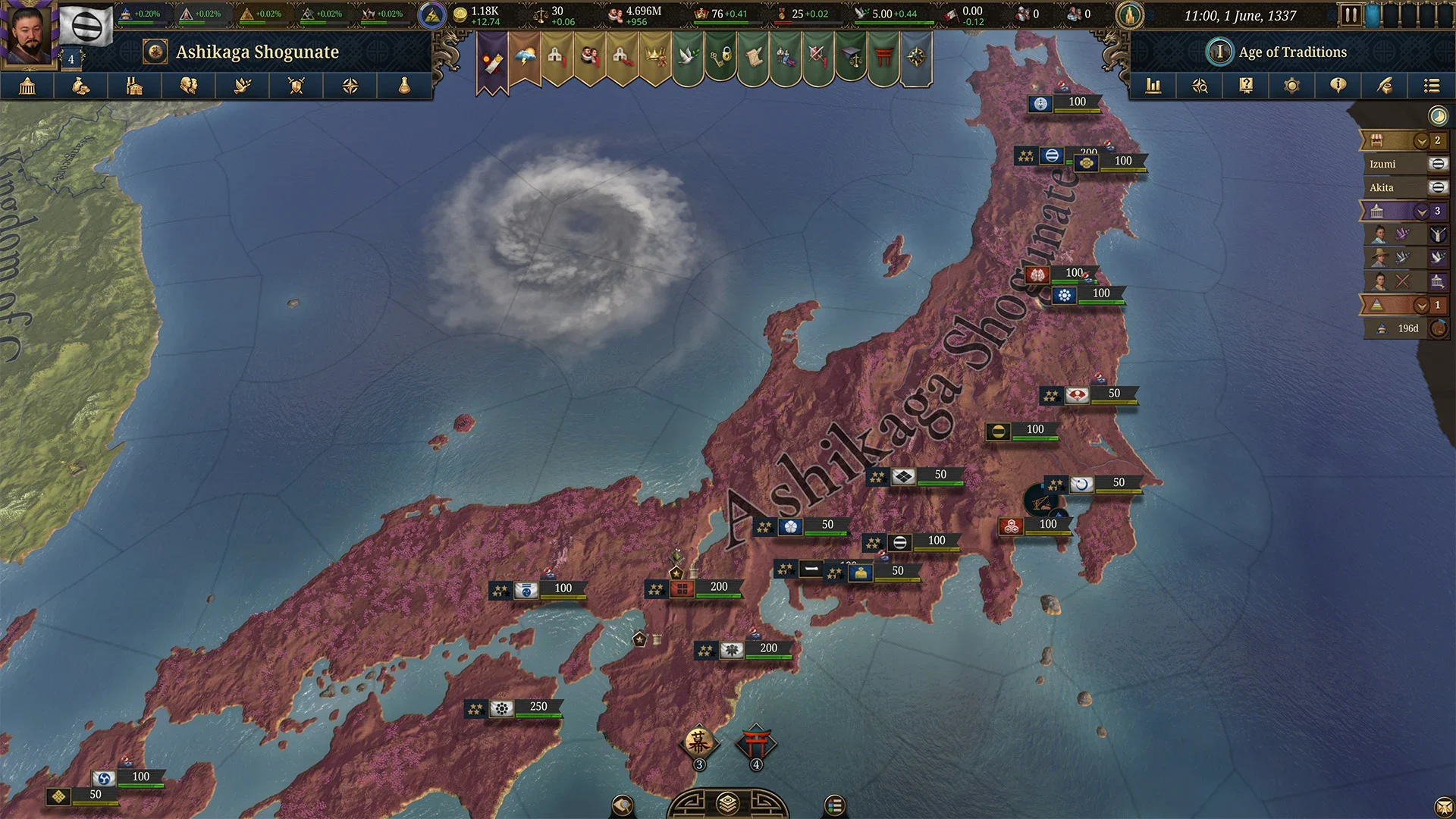
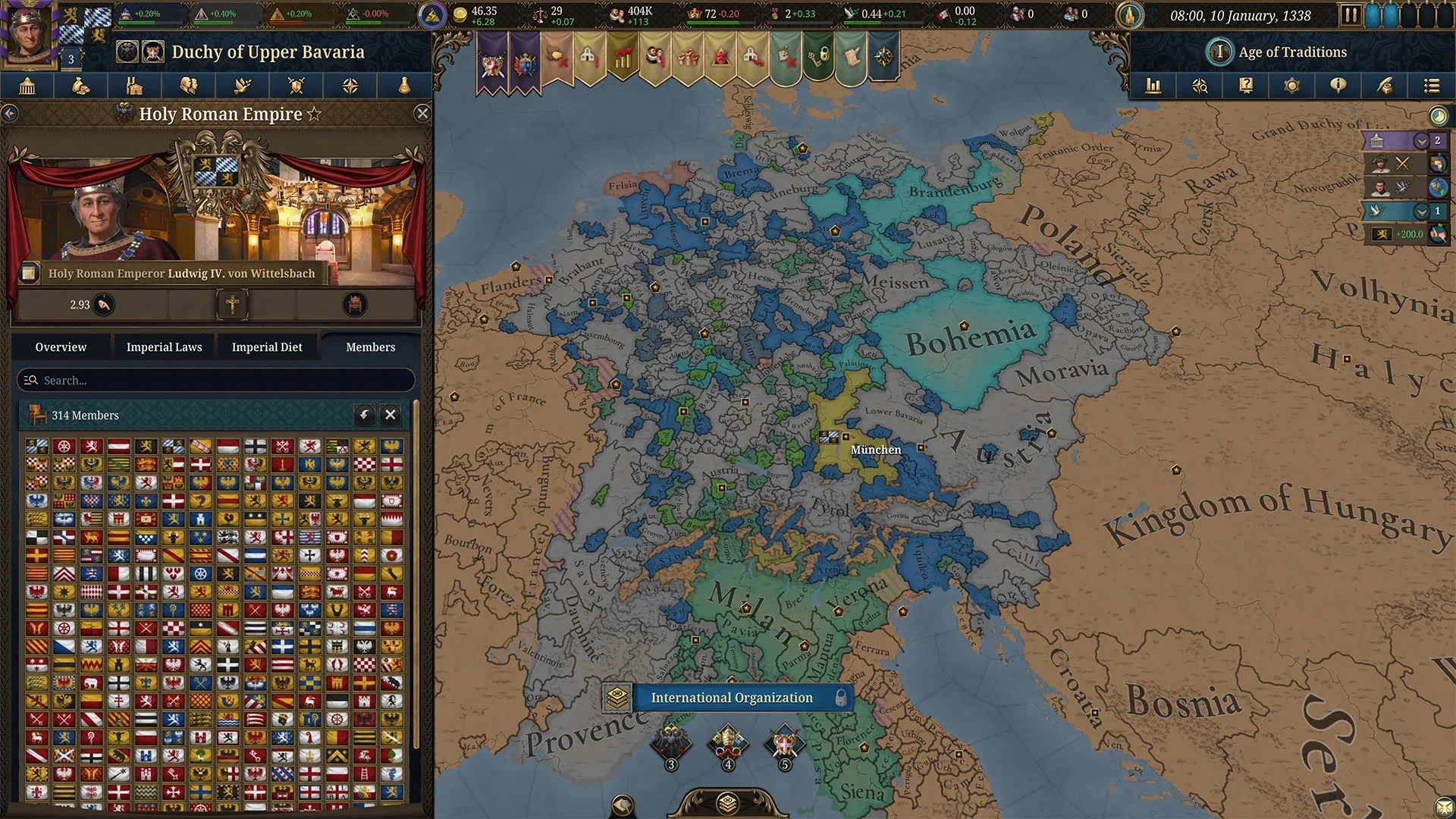
5 in stock
copies left5 in stock
Sold by: OMG Gamer






Delivery24/7
supportVerified
Sellers

Product Description
Europa Universalis V PC Steam Altergift
Quck Intro
Europa Universalis V is a grand strategy game set in the early modern era where players guide a nation through centuries of political change, war, exploration, and economic development. You take control of a country and shape its path through diplomacy, trade networks, colonization, and large-scale military campaigns, all within a deeply simulated historical sandbox. Every decision influences shifting alliances, internal stability, and global power balance, creating an evolving world that reacts to your strategy over time. Built for PC strategy fans, the game focuses on long-form planning and emergent outcomes rather than scripted events, allowing alternate history to unfold naturally. Whether you prefer careful diplomacy or aggressive expansion, Europa Universalis V rewards strategic thinking and long-term vision across a complex, interconnected world system.
About
Europa Universalis V is a grand strategy PC game that places you in control of a nation navigating centuries of political change, economic growth, and global conflict. In this historical sandbox, you are not just managing armies—you are shaping the destiny of an entire state through diplomacy, trade, colonization, and internal governance. The experience is about long-term thinking, where every decision can ripple across continents and generations. From fragile beginnings to powerful empires, the game invites you to rewrite history through your own strategic choices.
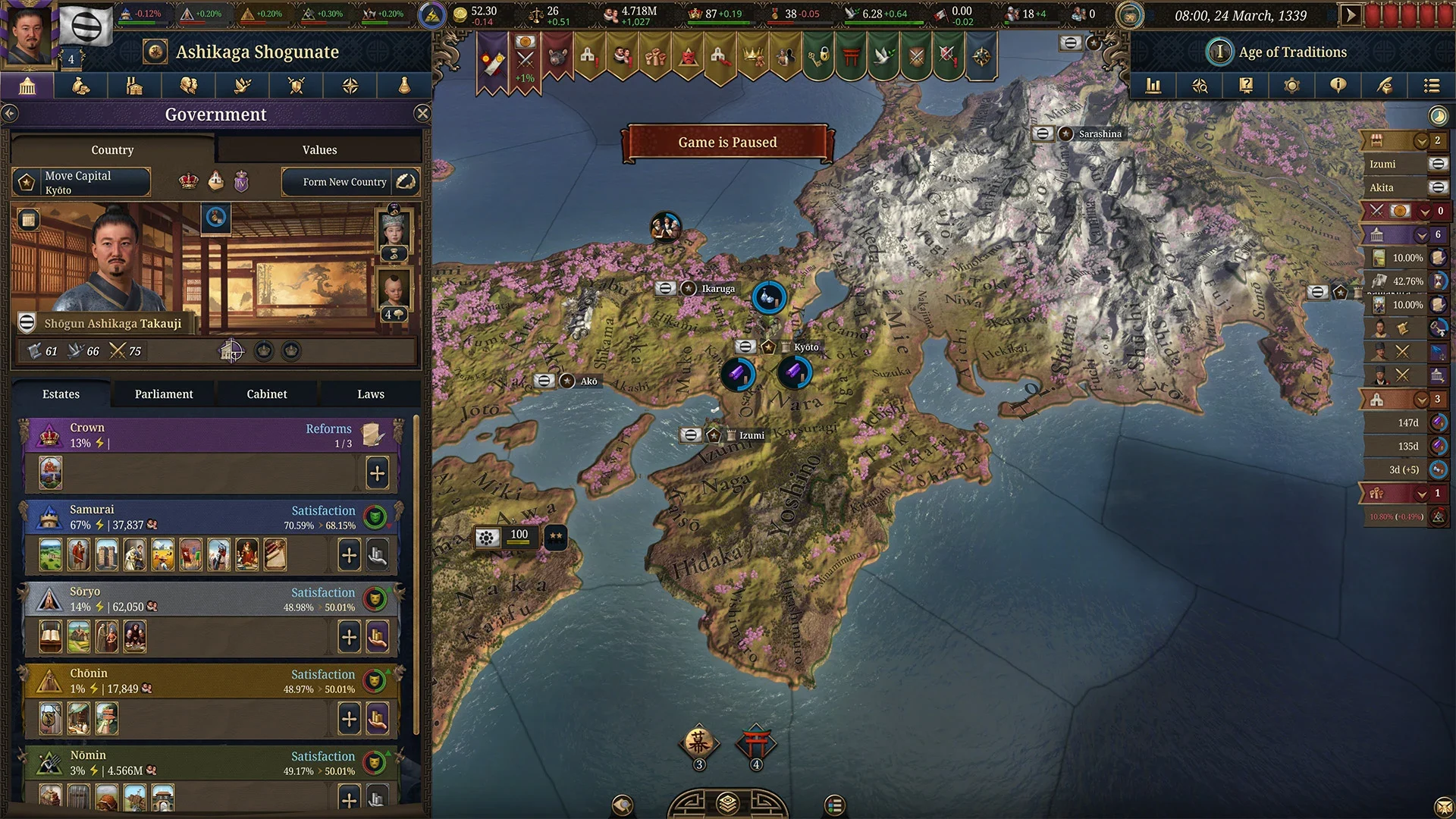
At its core, gameplay revolves around managing your nation’s economy, diplomacy, and military in a constantly evolving world map. You balance resource production, negotiate alliances, respond to wars, and adapt to shifting global power structures. Much of your time is spent planning expansion, optimizing trade routes, and reacting to unpredictable historical events that reshape opportunities. Unlike faster-paced strategy games, this experience emphasizes patience and foresight, rewarding players who think decades ahead rather than minutes. The systems are deeply interconnected, meaning a change in one region can influence stability elsewhere. This creates a living political ecosystem where every action matters and long-term consequences define success.
What sets Europa Universalis V apart is unmatched depth in historical simulation and player-driven storytelling. Every campaign becomes a personal version of history, shaped by your decisions rather than fixed narratives or scripted outcomes. It appeals most to strategy enthusiasts, gamers who enjoy complex systems, and players who prefer slow, thoughtful progression over instant rewards. No quick victories here; instead, success grows from careful planning, adaptation, and understanding how global systems interact over time. Whether you aim to build a trading powerhouse, a diplomatic empire, or a military superstate, the path is entirely yours to define. Europa Universalis V offers a immersive strategy experience that stays with you long after each session ends.
Key Features
Europa Universalis V places you in control of a nation navigating centuries of political, economic, and military change on a living global map. The core gameplay revolves around long-term decision-making, where diplomacy, trade, and expansion constantly interact to shape how your country grows and survives over time.
Players manage international relations through alliances, treaties, and rivalries that shift as global power balances evolve. Every diplomatic move carries weight, influencing stability at home and trust abroad. Wars unfold on a strategic level, where positioning, timing, and supply lines matter more than quick reflexes, turning conflicts into extended tests of planning rather than simple battles.
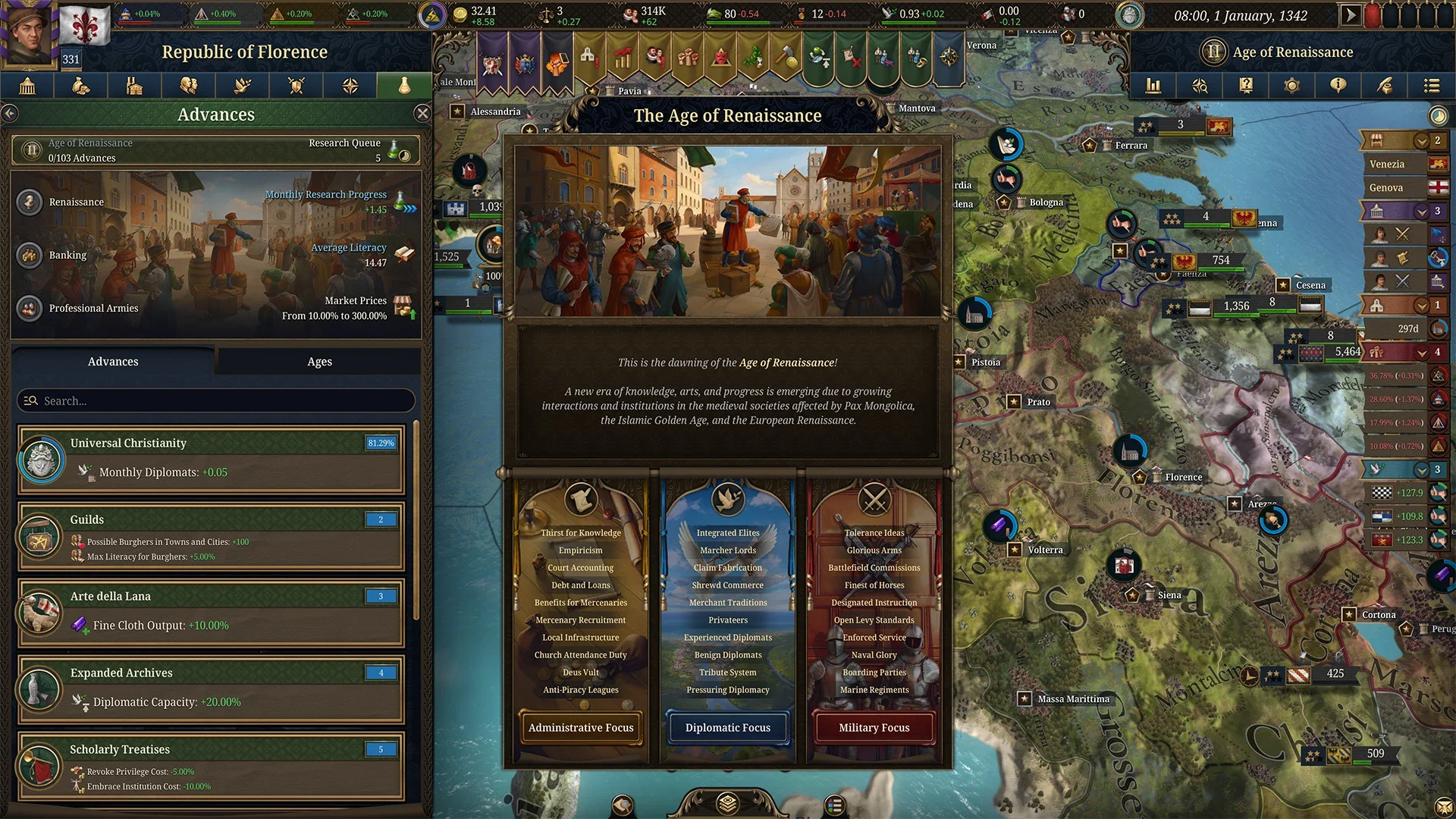
The economic system is deeply interconnected, with trade routes, taxation, and production shaping a nation’s strength. Small changes in policy can ripple across regions, affecting growth, stability, and long-term expansion opportunities. Progression comes through research, national development paths, and strategic choices that gradually redefine how your nation operates over centuries of in-game time.
The world itself is built as a dynamic historical simulation, where regions evolve, borders shift, and cultures interact in unpredictable ways. No two campaigns play out the same, as different nations offer distinct starting conditions, challenges, and strategic opportunities. This creates strong replay value for players who enjoy experimenting with different political and economic approaches.
Freedom of choice is central to the experience. You can focus on diplomacy, build a trading empire, expand through military conquest, or maintain internal stability while navigating external pressures. The game does not force a single path, allowing each player to define their own strategy within a shared global system.
Designed for PC strategy players, Europa Universalis V supports a scalable experience that runs smoothly across different hardware setups, with deeper simulation layers unfolding on stronger systems. Keyboard and mouse controls provide precise management of complex systems, while a customizable interface helps players organize large amounts of information efficiently.
Across every campaign, the experience is shaped by cause and effect, where long-term planning, adaptation, and strategic thinking determine how history unfolds.
Gameplay
Europa Universalis V is a grand strategy PC experience where players guide a nation across centuries of political change, economic development, and large-scale conflict. Gameplay focuses on decision-making on a global map rather than direct action control.
The main gameplay loop revolves around managing diplomacy, trade, and internal stability while expanding influence across regions. Players negotiate alliances, declare wars, form trade agreements, and respond to shifting international conditions.
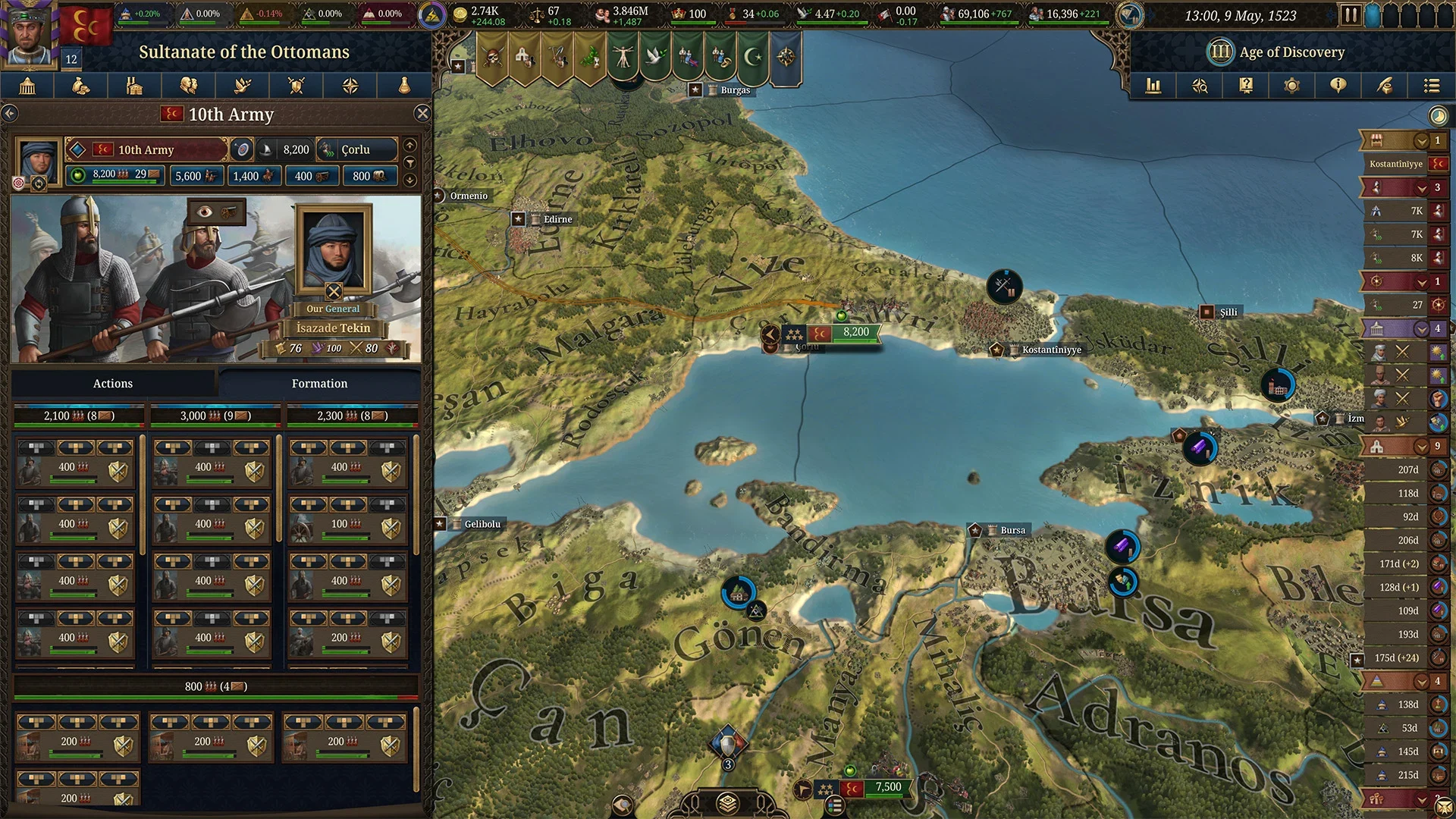
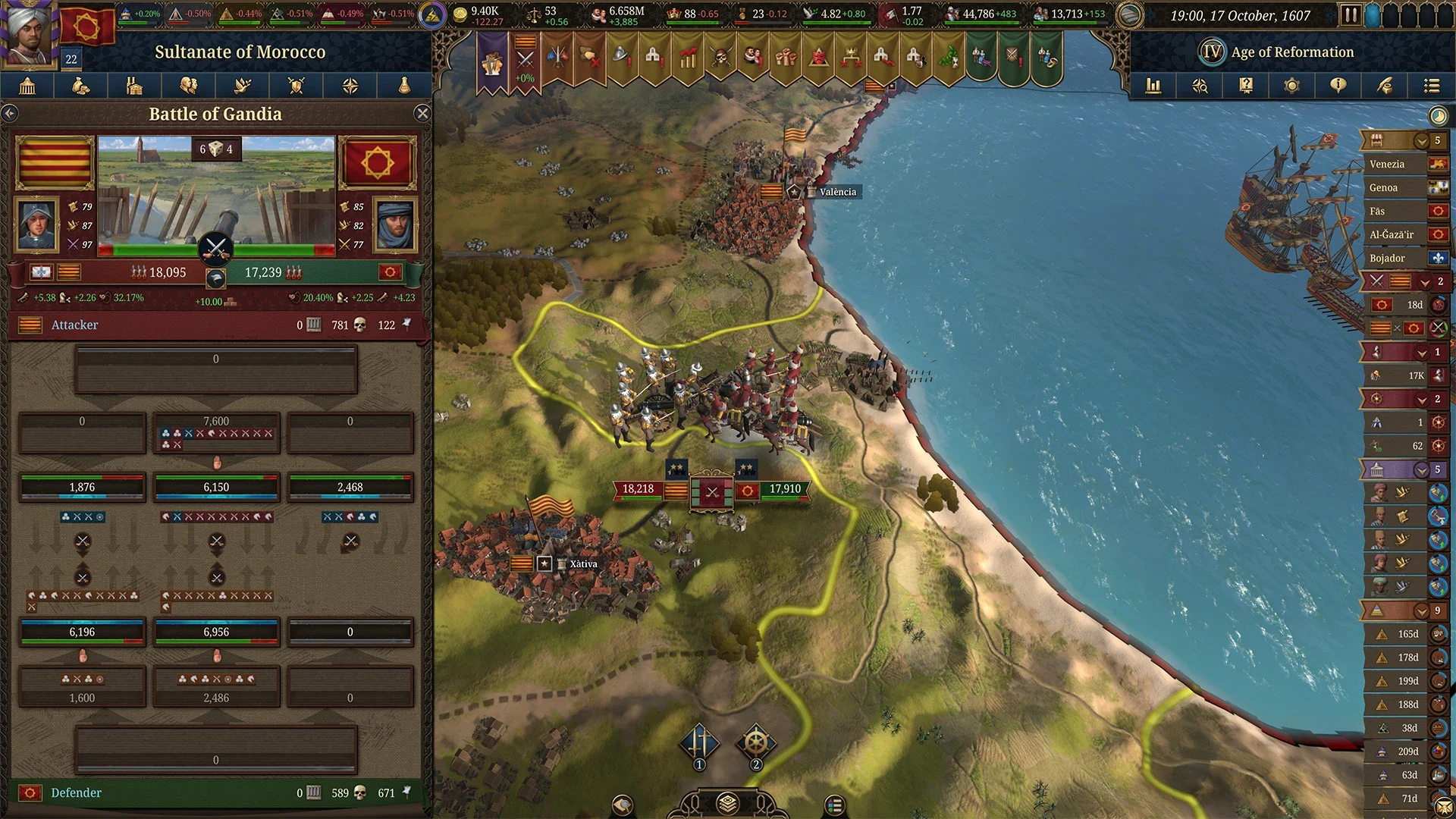
Combat is tactical and map-based, requiring careful positioning of armies, understanding terrain, and balancing manpower and resources. Wars unfold over time rather than instant battles, making planning and timing essential.
Progression comes through technology research, national ideas, and policy choices that shape how a country develops. Over time, players unlock new abilities, economic strengths, and military advantages that influence long-term strategy.
Players have significant freedom in playstyle, choosing between diplomacy, trade-focused expansion, or aggressive conquest. The open-ended structure supports different strategies, making each campaign feel distinct and reactive to player decisions.
Multiplayer gameplay allows nations to interact in shared historical timelines, creating unpredictable alliances and rivalries. In both single-player and multiplayer modes, the experience evolves over decades of in-game time, rewarding adaptability and long-term thinking.
The overall gameplay experience evolves gradually, with early decisions shaping long-term stability, economic strength, and diplomatic standing. As time progresses, nations face new challenges such as rising powers, shifting trade networks, and internal political pressures that require constant adaptation. There is no fixed path to victory, and success depends on how well players interpret global trends and respond to emerging opportunities. This creates a deeply replayable strategy experience where each campaign develops its own history through player choices and systemic reactions. Whether playing solo or with others, the game encourages experimentation with different nations, strategies, and long-term goals across a living world simulation in real time world.
Story & World
Europa Universalis V is set in a richly detailed simulation of the early modern world, a period where kingdoms rise from fragile borders, empires stretch across oceans, and ideas begin to reshape how societies understand power. The game presents a living historical Earth, not as a fixed story, but as a shifting political landscape where every region carries its own identity, ambition, and conflict. From the fragmented states of Europe to the vast dynasties of Asia, from emerging colonial frontiers to established trade civilizations, the world feels interconnected, tense, and constantly in motion.
At the heart of this setting is a world defined by transformation. Old empires struggle to maintain control while new powers emerge through exploration, conquest, and economic influence. Cultural traditions, religious movements, and political structures all exist in a delicate balance, often colliding in unpredictable ways. Rather than following a single narrative path, the world evolves organically, shaped by competing interests and historical momentum. This creates an atmosphere where stability is rare, and change is the only constant.
The player exists in this world as the guiding force of a nation-state, responsible for steering its destiny through centuries of uncertainty. You are not a single character, but the collective will of a country, shaping its identity through decisions that affect generations. Every nation begins with its own history, geography, and internal pressures, offering a unique lens through which the wider world is experienced. Whether leading a small regional power or a vast imperial domain, the perspective is always grounded in the challenges and opportunities of that specific place and time.
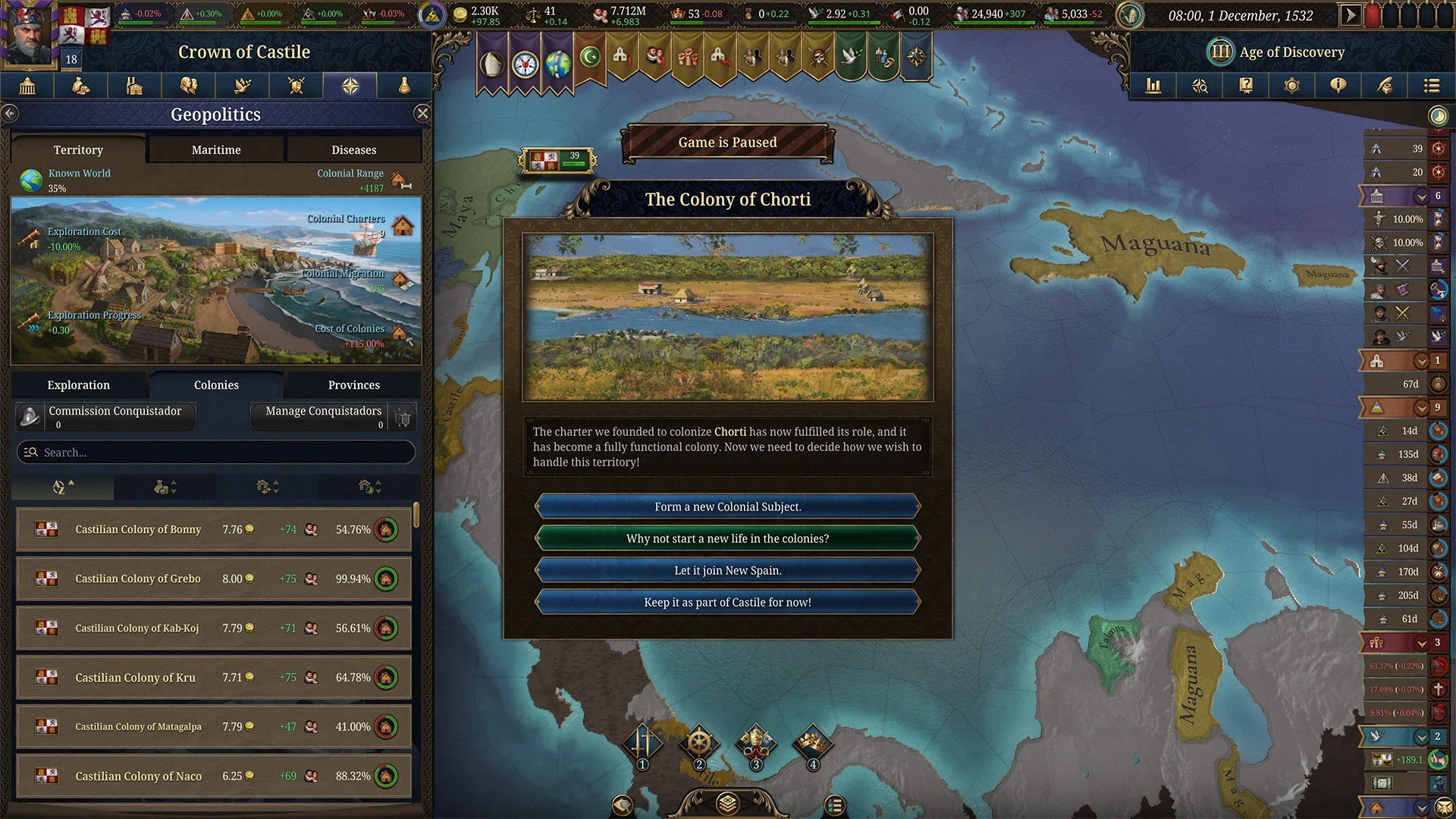
What makes this world stand out is its sense of scale and continuity. Continents are not isolated stages but part of a global system where trade routes connect distant economies, diplomatic ties influence regional stability, and distant wars can have unexpected consequences at home. Cities grow into cultural and economic centers, while remote regions become strategic points of interest as exploration and expansion unfold. The world feels lived-in, with layers of history visible in borders, alliances, and long-standing rivalries.
The tone of the world is grounded, reflective, and often uncertain. It is not a fantasy realm of clear heroes and villains, but a realistic historical simulation where ambition and survival often overlap. Different cultures interpret the same events in different ways, creating a sense of depth and perspective that changes depending on where you are looking from. This layered approach makes the setting feel authentic, as if every region carries its own story within the larger global narrative.
As time progresses, the world gradually shifts from familiar beginnings into something more complex and unpredictable. New ideas spread, old powers decline, and unexpected leaders reshape the balance of influence. The passage of time is not just background context but an essential part of how the world feels alive, with each era bringing new tensions and opportunities that redefine what is possible.
Europa Universalis V builds a world where history is never truly fixed. It exists as a dynamic stage of human ambition, shaped by countless forces acting at once. For players, it offers a chance to observe, influence, and ultimately participate in a global story that feels both historically grounded and endlessly variable, where every decision leaves a lasting mark on the evolving world around it.
Game Modes
Europa Universalis V offers a few distinct ways to experience its grand strategy sandbox, each designed to suit different playstyles while keeping the same evolving historical world at its core.
The main way most players engage is through the single-player campaign. This is a long-form experience where you guide a nation across centuries, making decisions about diplomacy, war, trade, and internal development. It plays at a deliberate pace, encouraging careful planning rather than quick reactions. Many players treat this mode like an unfolding historical simulation, where each session continues a larger personal story shaped by their choices and mistakes. It is ideal for those who enjoy strategy games that reward patience, experimentation, and long-term thinking.
Multiplayer campaigns bring a different energy to the same world. Here, multiple players control different nations within the same timeline, negotiating alliances or competing for dominance. The experience becomes less predictable, as human decision-making replaces AI behavior. Diplomacy feels more personal, conflicts are more dynamic, and long-term planning must account for real opponents who adapt in unexpected ways. This mode appeals to players who enjoy strategic competition, cooperation, or a mix of both in shared historical scenarios.
For players who prefer structured challenges, scenario-based or goal-driven setups offer focused experiences with specific starting conditions. These can highlight particular regions, time periods, or political situations, giving players a more directed strategic puzzle while still retaining the freedom of sandbox decision-making. It is a good entry point for newcomers who want shorter campaigns or clearer objectives before committing to full long-term playthroughs.
Across all modes, progression naturally unfolds through expanding influence, technological advancement, and shifting global dynamics. Whether playing solo or with others, the game adapts over time, ensuring no two campaigns feel identical. This variety is what gives Europa Universalis V its lasting replay value, encouraging players to return and explore different nations, strategies, and outcomes within the same living historical world.
Visuals & Art Style
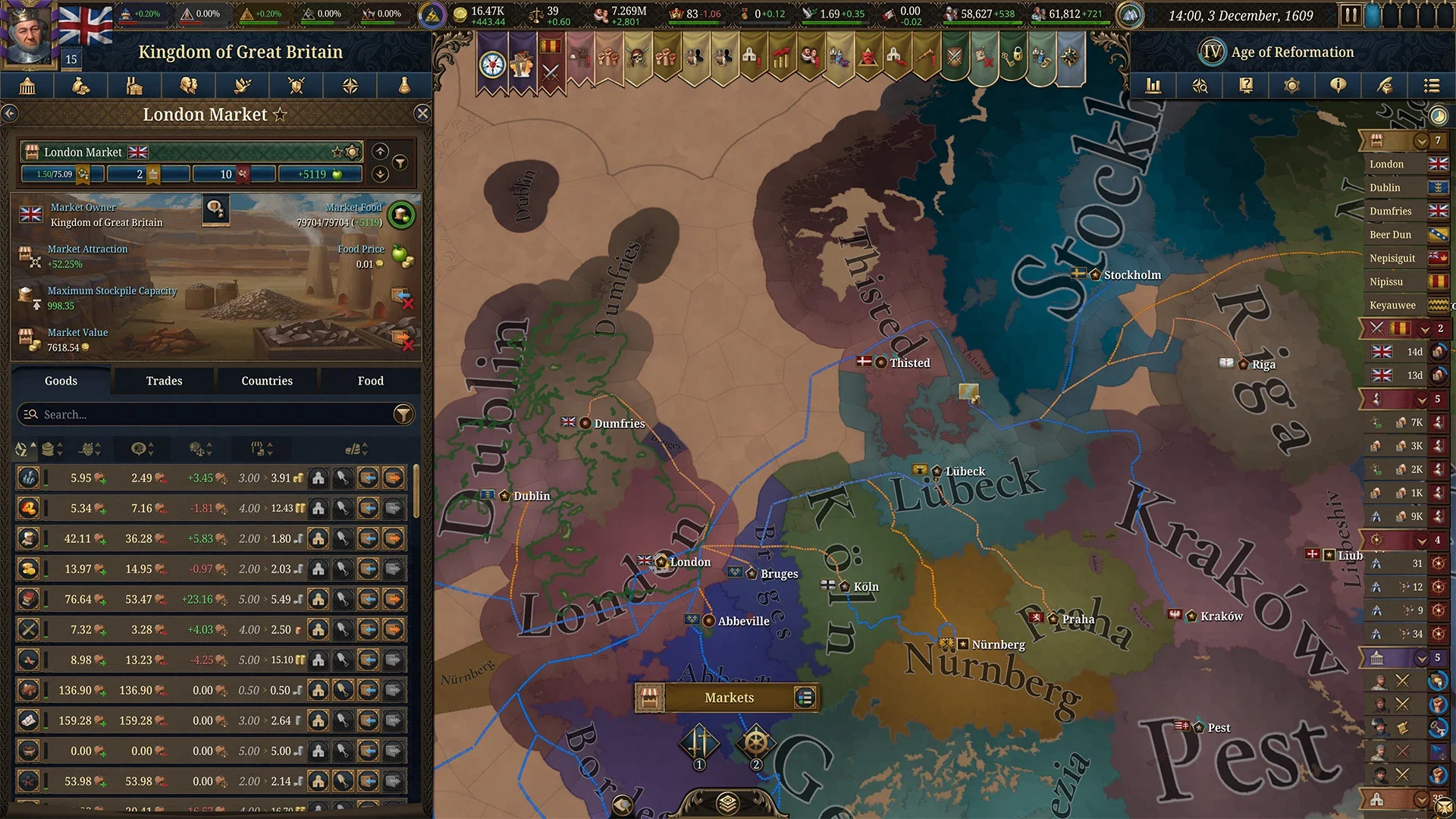
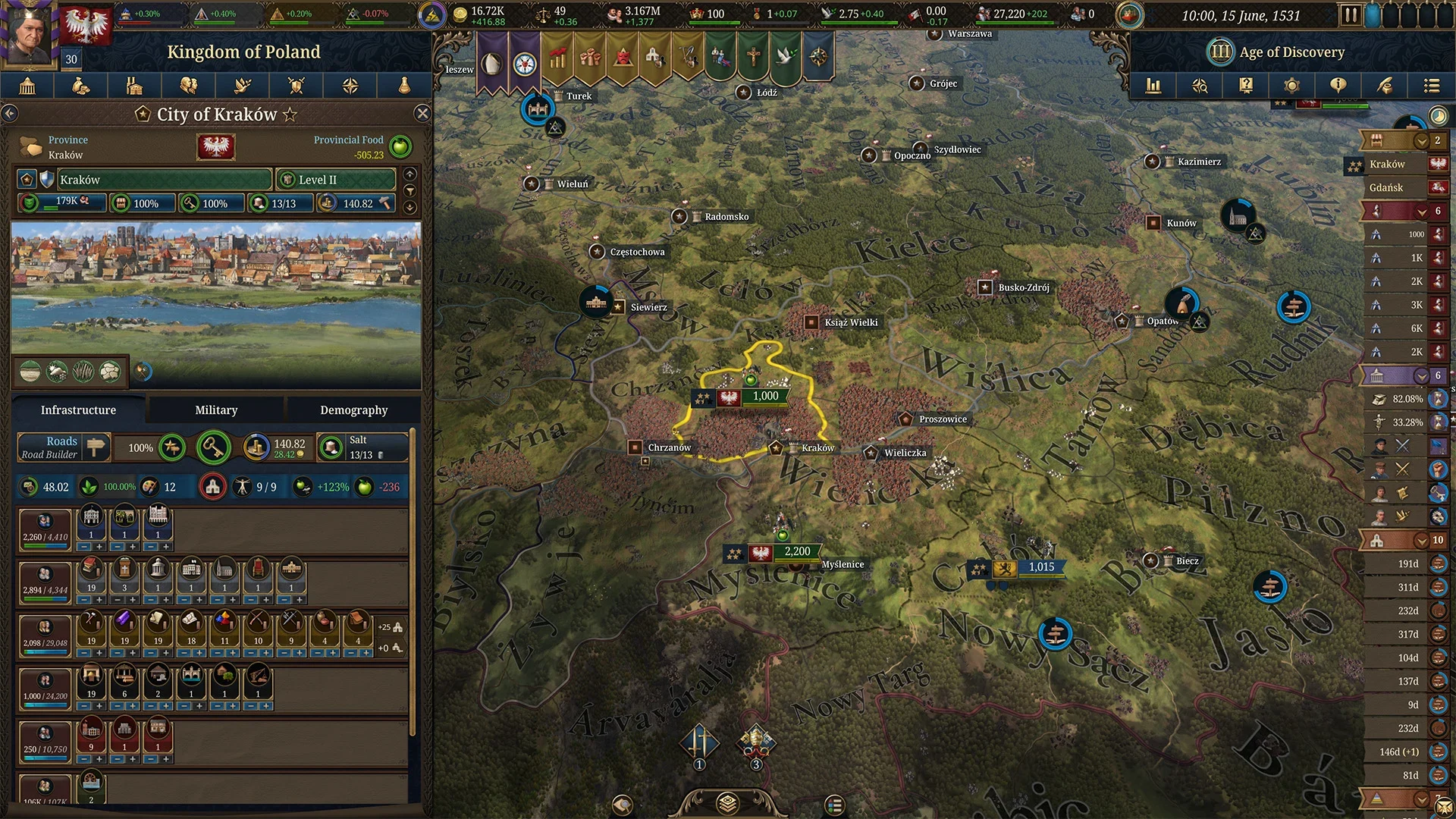
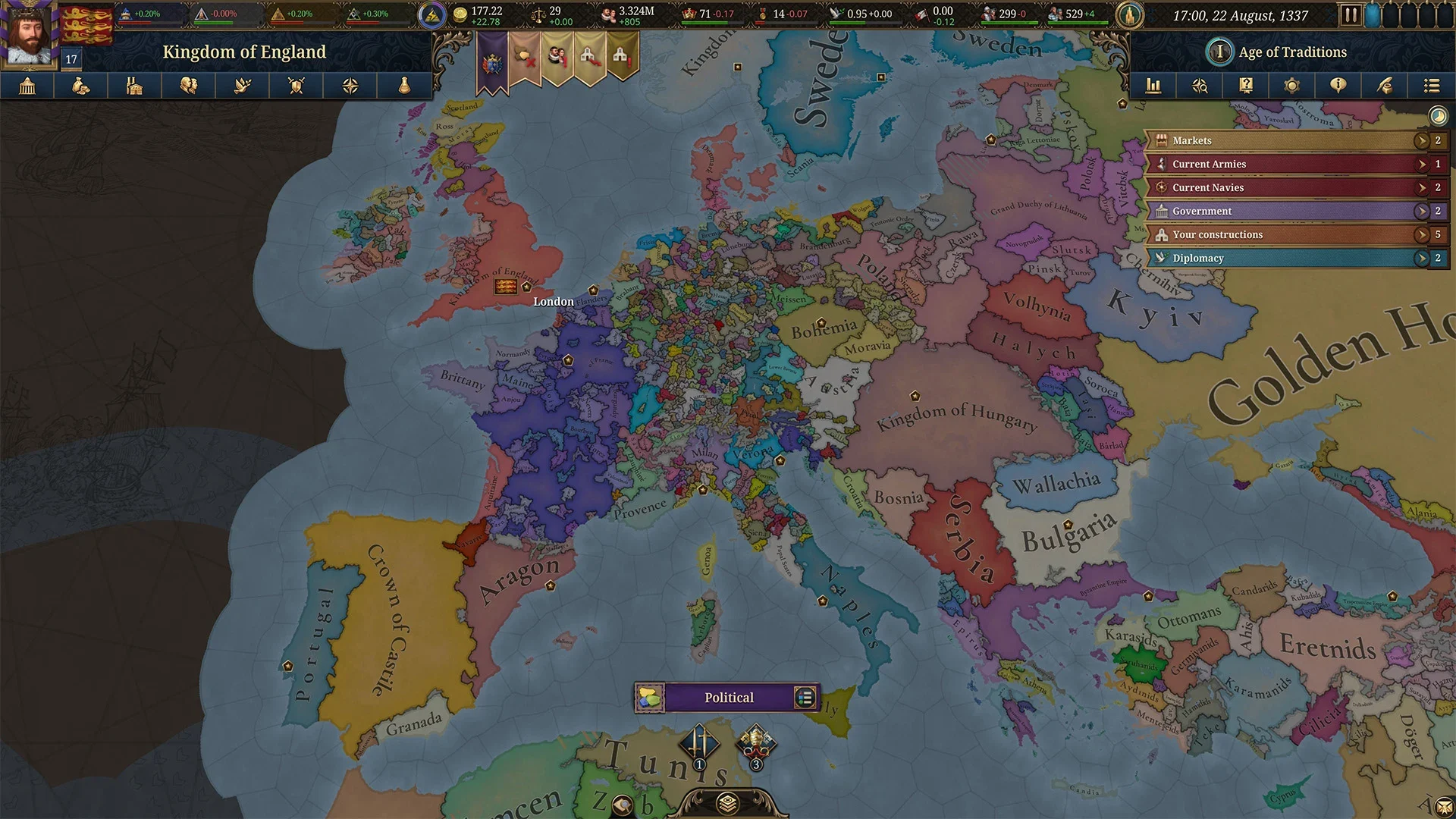
Europa Universalis V presents a visual identity rooted in clarity, scale, and historical atmosphere, where the world is designed to be read as much as it is admired. From the first moment, the map stands out as the central visual anchor—an intricate, living surface of territories, borders, and regions that shift subtly over time. Rather than overwhelming detail, the art direction focuses on legibility and depth, allowing players to understand a complex world at a glance while still appreciating its richness.
The color palette evolves with geography and political conditions, moving from warm Mediterranean tones to colder northern hues and lush, saturated landscapes in tropical regions. This variation helps the world feel geographically distinct, while also reinforcing the sense that each region carries its own identity. Lighting is soft and adaptive, subtly changing across time progression to reflect passing seasons and shifting conditions, giving the map a quiet sense of movement even when no direct action is taking place.
Cities and provinces are represented with layered visual detail that grows alongside their importance. As regions develop, they gain visual weight through architectural density, trade indicators, and cultural markers that make growth feel visible without needing explicit narration. Armies move across the map with clear, readable animations that emphasize scale rather than spectacle, keeping the focus on strategy while still giving motion a grounded, physical presence.
What makes the presentation stand out is how consistently the visual style supports the game’s tone. There is no unnecessary visual noise or exaggerated fantasy styling. Instead, the look leans into a documentary-like realism, as if the world is being observed through a historical lens. This approach creates a sense of authenticity, making political shifts and territorial changes feel meaningful because they are visually reinforced in subtle, continuous ways.
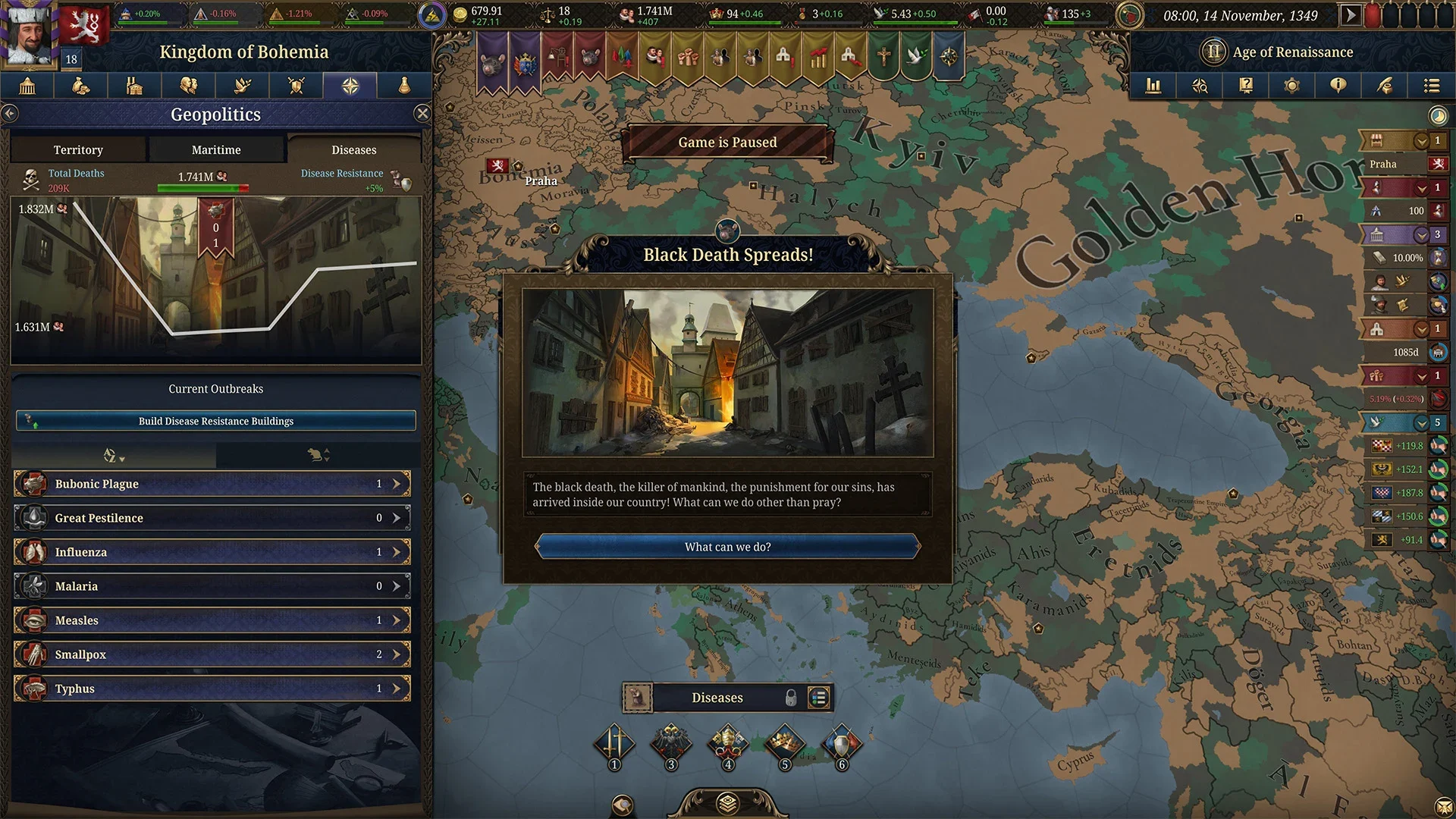
Effects tied to diplomacy, conflict, and economic activity are understated but purposeful. Trade routes shimmer faintly across regions, war impacts leave visible traces on borders, and cultural influence spreads gradually through softened visual transitions. These elements work together to make the world feel responsive without breaking immersion.
Overall, the visual and art direction of Europa Universalis V is not about spectacle alone, but about understanding. It builds a world that feels structured, evolving, and believable, helping players stay oriented while also drawing them into the slow, unfolding drama of history itself.
Technical Requirements
Europa Universalis V is designed primarily for PC players, available on Windows through major digital storefronts, and built to scale across a wide range of hardware setups. As a grand strategy title, it relies more on simulation depth than fast-paced graphics, which means it can run smoothly on modest systems while still taking advantage of higher-end PCs for improved responsiveness and visual clarity on the world map.
For entry-level setups, the game is generally playable on modern mid-range processors, 8 GB of RAM, and integrated or older dedicated graphics cards, especially at lower settings and resolutions. Players using recommended hardware—typically a more recent multi-core CPU, 16 GB of RAM, and a dedicated GPU—will experience smoother map interactions, faster turn processing, and more stable performance during late-game simulations when the world becomes more complex. The game is also optimized to scale performance dynamically, so large empires and extended campaigns remain playable without severe slowdowns.
Load times are streamlined through modern storage support, with SSDs significantly improving campaign start-up and in-game transitions. Frame rates remain stable due to the map-focused presentation, ensuring consistent performance even during large-scale wars or global political shifts. Visual settings can be adjusted independently, allowing players to prioritize either performance or detail depending on their system.
Control-wise, Europa Universalis V is built around keyboard and mouse interaction, offering precise management of maps, menus, and layered information systems. The interface is fully customizable, with remappable hotkeys and scalable UI elements that help both new and experienced strategy players tailor the experience to their comfort. While the game is primarily designed for mouse-driven strategy input, its layout remains intuitive even during complex late-game scenarios.
Accessibility features include adjustable text sizes, colorblind-friendly map modes, subtitle support for in-game notifications, and multiple UI scaling options. Difficulty is inherently flexible through selectable nations and starting conditions, allowing players to naturally control how challenging or relaxed their campaign feels.
Overall, the technical design of Europa Universalis V prioritizes stability, clarity, and adaptability, ensuring that whether you are running a modest setup or a high-performance gaming rig, the experience remains smooth, readable, and strategically engaging from start to finish.
Who Is This Game For?
Europa Universalis V is best suited for players who enjoy slow-burn strategy, long-term planning, and systems that evolve over time rather than immediate action or fast rewards. If you like thinking several steps ahead, shaping outcomes through decisions instead of reflexes, and watching complex worlds respond to your choices, this game fits naturally into that mindset. It appeals strongly to strategy enthusiasts who enjoy grand-scale decision-making, historical simulation, and deep management systems that connect politics, economy, and military strategy into one continuous experience.
Players who prefer single-player campaigns will find a rich, self-paced environment where every nation feels like a different strategic puzzle. There is no pressure to rush, and the experience rewards patience, experimentation, and learning through multiple playthroughs. It also suits players who enjoy sandbox-style freedom, where stories emerge naturally from gameplay rather than being strictly scripted. The satisfaction comes from seeing long-term plans unfold across decades of in-game time, often in unexpected ways.
For multiplayer-focused players, the game offers a more dynamic and unpredictable experience. Competing or cooperating with others introduces human-driven diplomacy and rivalry, which can turn careful plans into evolving political situations. This makes it appealing to players who enjoy competitive strategy with social interaction layered on top of complex systems.
That said, Europa Universalis V may feel overwhelming for players who prefer short sessions, fast-paced action, or heavily guided experiences. The game’s depth means there is a learning curve, and early campaigns often involve experimentation and gradual understanding of its systems. It is not designed for instant gratification, but for players willing to invest time into mastering layered mechanics and long-form progression.
It is especially rewarding for fans of historical strategy, simulation games, and player-driven storytelling. Whether you enjoy building empires peacefully, managing intricate economies, or navigating global conflicts, the game gives you the tools to define your own approach. Ultimately, it is for players who see strategy as a journey rather than a quick challenge, and who enjoy watching their decisions shape an entire world over time.
FAQ
What kind of game is Europa Universalis V?
Europa Universalis V is a grand strategy game where you guide a nation through centuries of political, economic, and military change. Instead of controlling a single character, you manage an entire country on a global map, making long-term decisions that shape history over time.
Is it single-player or multiplayer?
It supports both. Single-player focuses on a deep, self-paced campaign against AI-controlled nations, while multiplayer lets you play alongside or against other players in shared historical timelines, creating more unpredictable diplomatic and strategic situations.
What is the gameplay like?
The core experience revolves around diplomacy, trade, warfare, and internal nation management. You spend your time planning expansion, negotiating alliances, managing economies, and responding to global events. It’s slower-paced and highly strategic, designed for thoughtful decision-making rather than fast action.
Which platforms is it available on?
Europa Universalis V is designed for PC, including Windows systems. It is best experienced with a keyboard and mouse setup due to its interface-heavy strategy design.
What are the system requirements like?
The game is optimized to run on a wide range of PCs. Mid-range systems can handle it comfortably, while stronger hardware improves performance during large late-game campaigns with many nations and events.
Is the game replayable?
Yes, replay value is very high. Every campaign plays out differently depending on the nation you choose, your decisions, and how the world reacts over time, making each run feel unique.
Is it suitable for casual players?
It can be challenging for beginners due to its depth, but players who enjoy learning complex systems and long-term strategy will find it rewarding over time.
Does it require an internet connection?
Single-player can be played offline, while multiplayer features require an internet connection.
FAQ
Operating System (OS)
Other Details

Languages



Reviews
There are no reviews yet.