
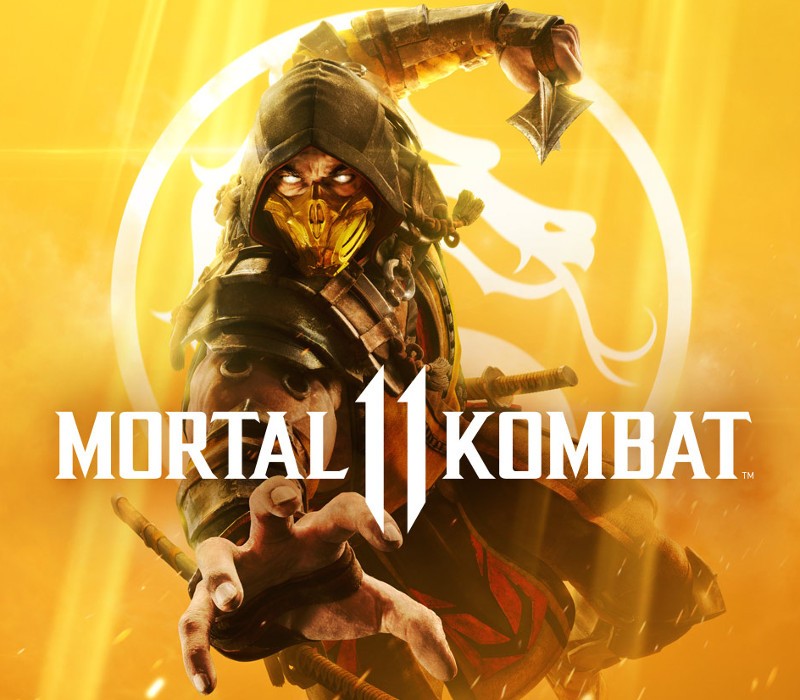
Mortal Kombat 11 Steam Account
1 in stock
copies left1 in stock
Sold by: OMG Gamer


Delivery24/7
supportVerified
Sellers

Product Description
Mortal Kombat 11 Steam Account
Quck Intro
About
Mortal Kombat 11 is a cinematic fighting game that combines fast-paced one-on-one combat with a story-driven experience set in a time-bending universe. At its core, it’s about mastering powerful fighters, reading your opponent’s moves, and delivering precise, satisfying attacks in visually intense battles that feel both strategic and personal.
As you play, you’ll spend most of your time learning character abilities, practicing combos, and testing your skills across different modes. The gameplay loop revolves around improving timing, adapting to opponents, and unlocking customization options that let you shape how each fighter looks and performs. Whether you’re progressing through the narrative campaign, taking on AI challenges, or jumping into online matches, each fight becomes a mix of quick decision-making and long-term skill development.
What sets it apart from other fighting games is its balance between accessibility and depth. New players can quickly grasp the basics, while experienced players can dive into advanced mechanics like Fatal Blows and Krushing Blows that add tactical layers to every encounter. The game also stands out for its cinematic presentation, where every match feels like part of a larger, high-stakes conflict.
This is a game for players who enjoy competition, strategy, and steady improvement, but it also appeals to those who want a visually engaging story experience. Over time, each victory feels earned, each defeat teaches something new, and every match pulls you deeper into its world, making it hard not to come back for one more fight.
Key Features
- Mortal Kombat 11 delivers a grounded yet intense fighting game experience where every match is built around timing, spacing, and reading your opponent. Combat feels deliberate, with a focus on strategic decision-making rather than button-mashing, giving each victory a sense of control and precision.
- The core gameplay loop revolves around learning fighters, refining combos, and adapting to different playstyles. Whether you’re practicing offline or facing real players online, you’re constantly improving your reactions, experimenting with new tactics, and building confidence with each round.
- A standout feature is its layered combat system, including mechanics like Fatal Blows and Krushing Blows. These moments shift the pace of a fight, rewarding smart play and creating high-stakes turning points that keep matches unpredictable and engaging.
- The game blends its fighting mechanics with a cinematic story mode that flows like an interactive film. It introduces players to its world and characters in a way that feels accessible, even if you’re new to the series, while still giving context to the battles you fight.
- Customization plays a meaningful role, allowing you to tailor fighters with different gear, visual styles, and ability variations. This adds a sense of ownership and encourages experimentation, especially for players who enjoy shaping their own playstyle.
- Multiple modes, including towers, local multiplayer, and online competitive play, provide variety in how you spend your time. You can jump in for quick matches or commit to longer sessions focused on progression and mastery.
- The overall experience suits both casual players looking for a visually engaging fighting game and competitive players who enjoy skill-based systems. With each fight offering something new to learn, the game maintains a steady sense of progression and replay value.
Gameplay
Mortal Kombat 11 centers on tight, skill-based fighting game mechanics where players control iconic characters in one-on-one battles that reward timing, precision, and smart decision-making. Each fight is built around a mix of basic attacks, special moves, defensive counters, and well-timed combos, creating a tactical combat system that feels both accessible and deep. You’re constantly reading your opponent, anticipating moves, and reacting in real time, which makes every round feel dynamic and personal.
The main gameplay loop revolves around learning characters and improving performance through repetition and adaptation. Players spend time practicing combos, experimenting with abilities, and refining strategies across different modes. Whether you’re facing AI opponents or real players online, the goal remains the same: understand patterns, adjust your approach, and execute moves with increasing confidence. Over time, matches become less about reacting and more about predicting, which adds a satisfying layer of mastery.
Progression comes through both skill development and in-game rewards. As you play, you unlock customization options that let you adjust your fighter’s appearance and abilities, encouraging different playstyles. Some players may focus on aggressive, high-damage tactics, while others prefer a more defensive or counter-based approach, giving a sense of freedom in how you engage with the system.
The game supports both solo and multiplayer experiences, from structured challenges to competitive online matches. As difficulty increases and opponents become less predictable, the gameplay naturally evolves, pushing you to sharpen your reflexes and think more strategically. Over time, what starts as simple combat grows into a layered, rewarding experience that keeps each fight feeling fresh and worth returning to.
Story & World
Set in a dark, mythic universe shaped by conflict between realms, Mortal Kombat 11 tells a story that blends fantasy, science fiction, and martial arts into a cinematic narrative driven by power, destiny, and time itself. The world is not a single location but a collection of interconnected realms, each with its own identity, culture, and history from war-torn landscapes to ancient temples and otherworldly domains. These places feel lived-in and scarred by centuries of battles, creating an atmosphere that is both dangerous and deeply immersive.
At the center of the story is a growing imbalance in the timeline, caused by forces that seek to rewrite history and reshape reality. This conflict introduces a unique twist, bringing together different versions of characters from past and present. The result is a layered narrative where alliances are tested, rivalries are redefined, and familiar faces are seen in new ways. The tension comes not just from physical battles, but from the clash of ideals, loyalties, and the consequences of past actions catching up with the present.
Players step into a world where they don’t follow a single hero, but instead experience the story through multiple perspectives. Each character represents a different side of this fractured universe, from disciplined warriors defending their realm to ruthless figures driven by ambition or revenge. This shifting viewpoint gives the narrative a broader sense of scale, making the world feel larger than any one storyline and reinforcing the idea that every action has a ripple effect across time and space.
The setting stands out for its bold contrast of styles and tones. One moment, you are surrounded by ancient, almost sacred environments rooted in tradition and honor; the next, you are immersed in darker, more chaotic spaces where survival is all that matters. This constant shift keeps the world unpredictable and visually striking, while also reflecting the unstable nature of the timeline itself. There is a sense that nothing is fixed, and that reality can change depending on who holds power.
What makes this world especially compelling is how it treats its characters as part of a larger legacy. Histories are not just referenced they actively shape the present. Relationships carry weight, and long-standing conflicts feel personal rather than abstract. Even without knowing every detail of the series’ past, the story provides enough context to make these moments resonate, drawing players into its universe without overwhelming them.
The overall mood is intense and dramatic, but it also carries moments of reflection, where characters confront who they were and who they might become. This balance gives the narrative emotional depth, making it more than just a backdrop for action. It becomes a story about identity, consequence, and the struggle to control one’s own fate in a world that is constantly shifting.
Game Modes
Mortal Kombat 11 offers a range of game modes that shape how you engage with its core fighting experience, whether you prefer solo play, competitive matches, or short, repeatable challenges. The story mode is the most cinematic entry point, guiding players through a narrative-driven sequence of fights that introduces the world and its characters in a structured, easy-to-follow format. It’s ideal for those who enjoy a strong sense of progression and context behind each battle.
For solo players looking beyond the story, Towers of Time and Klassic Towers provide a more arcade-style loop. These modes focus on consecutive fights with varying conditions, modifiers, and difficulty levels, encouraging players to adapt their strategies and revisit characters. The rotating challenges in Towers of Time add a live, evolving element that keeps the experience feeling fresh over multiple sessions.
Local multiplayer supports quick matches against friends, making it easy to jump into casual fights without any setup. It’s straightforward and immediate, perfect for social play or testing skills in a relaxed setting. On the other hand, online multiplayer introduces a more competitive environment, where players face opponents of varying skill levels. Ranked and casual matches offer different pacing, whether you’re aiming to climb skill tiers or just enjoy balanced fights.
Together, these modes create a steady rhythm between learning, competing, and experimenting. Whether you’re playing for the story, refining your technique, or testing yourself against others, the variety ensures the game remains engaging long after the first few matches.
Visuals & Art Style
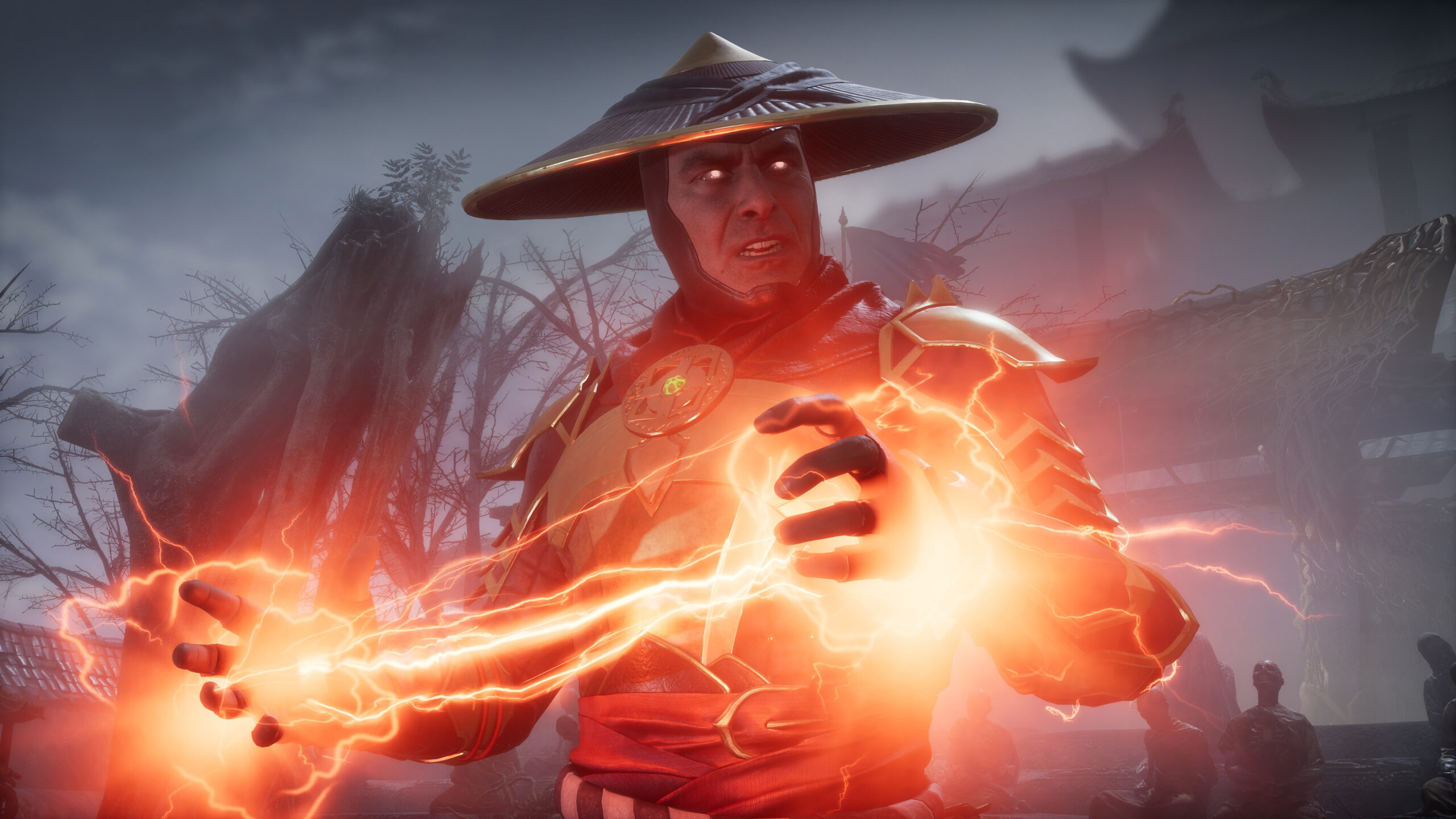
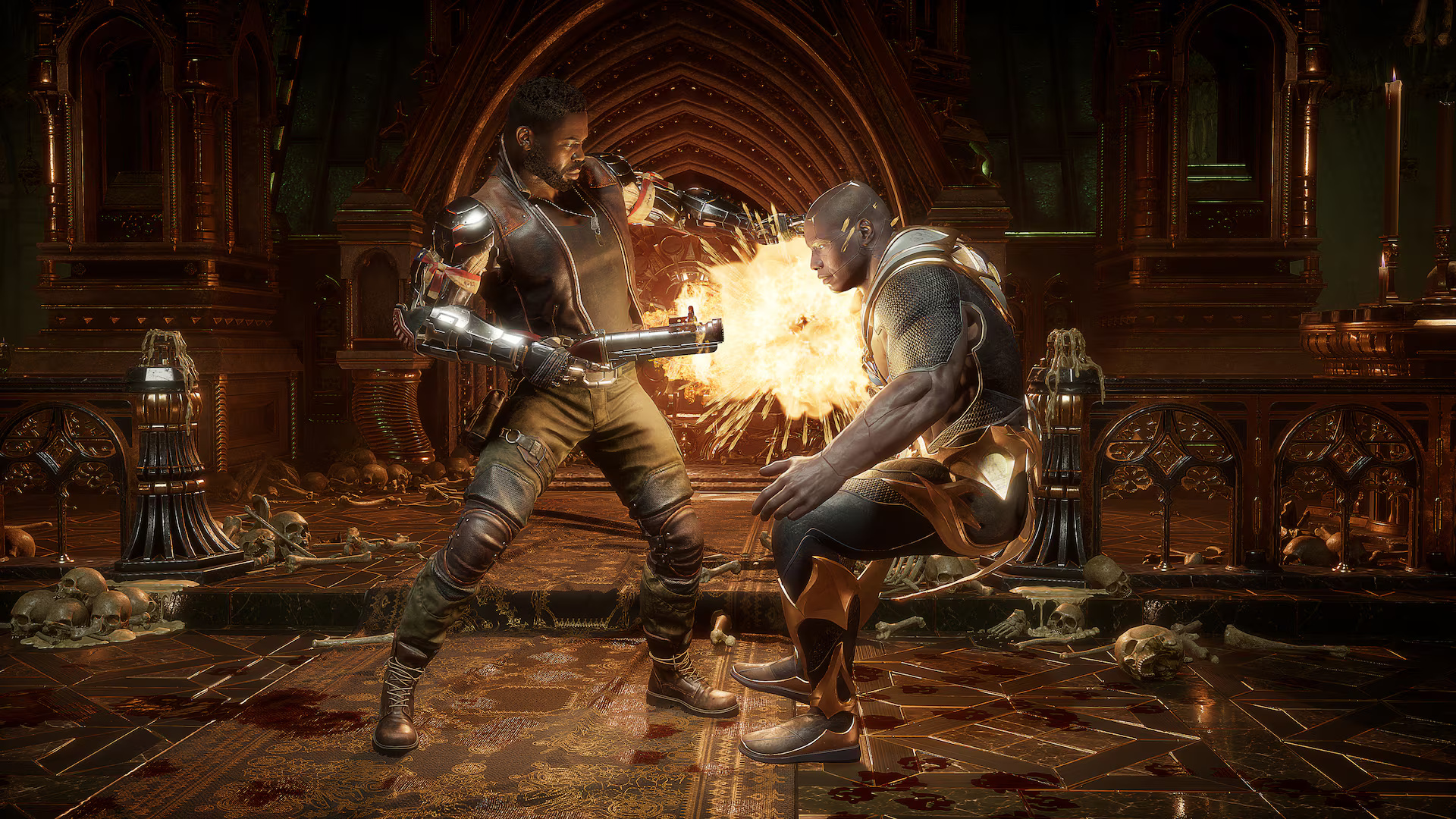
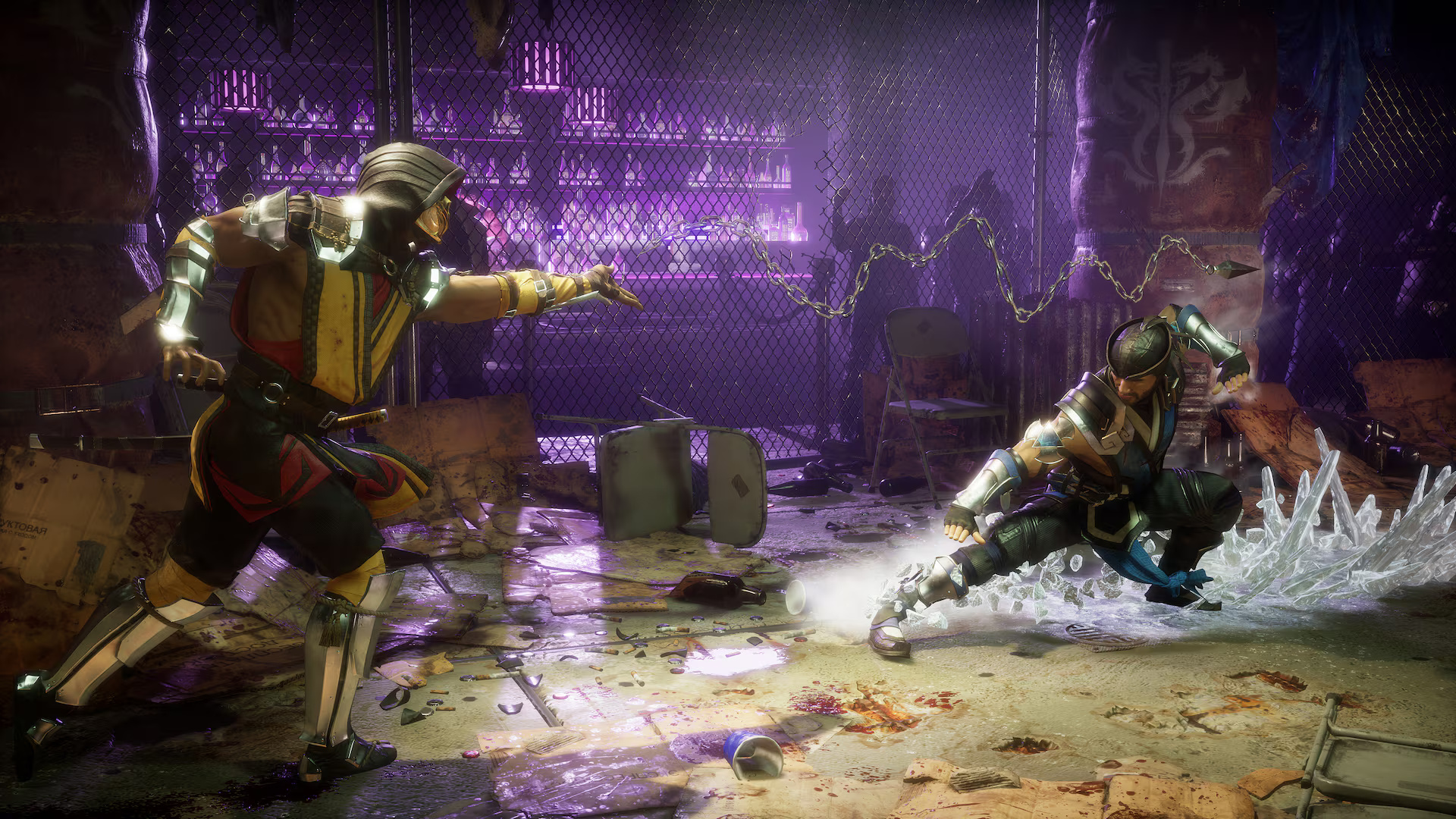
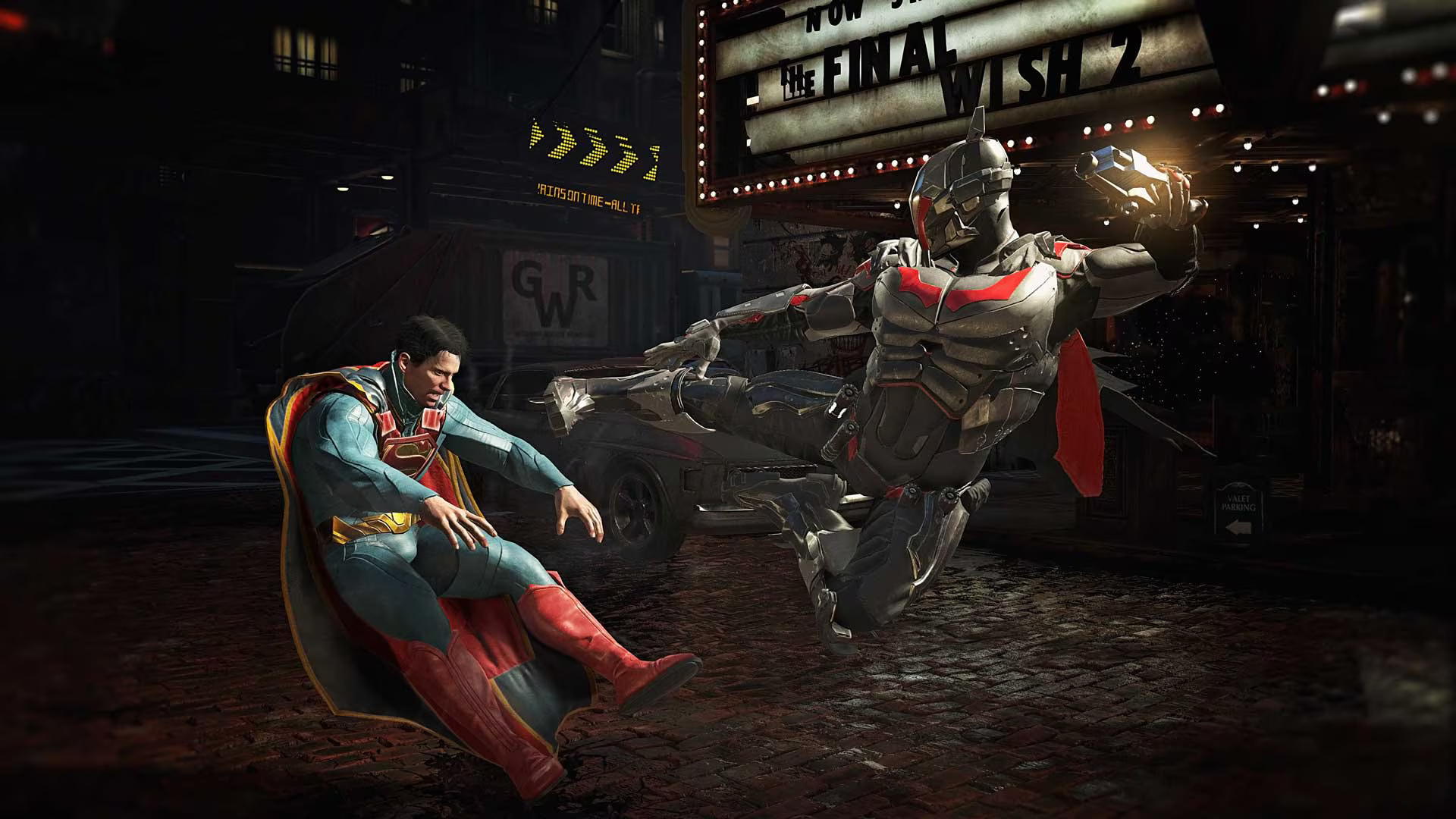
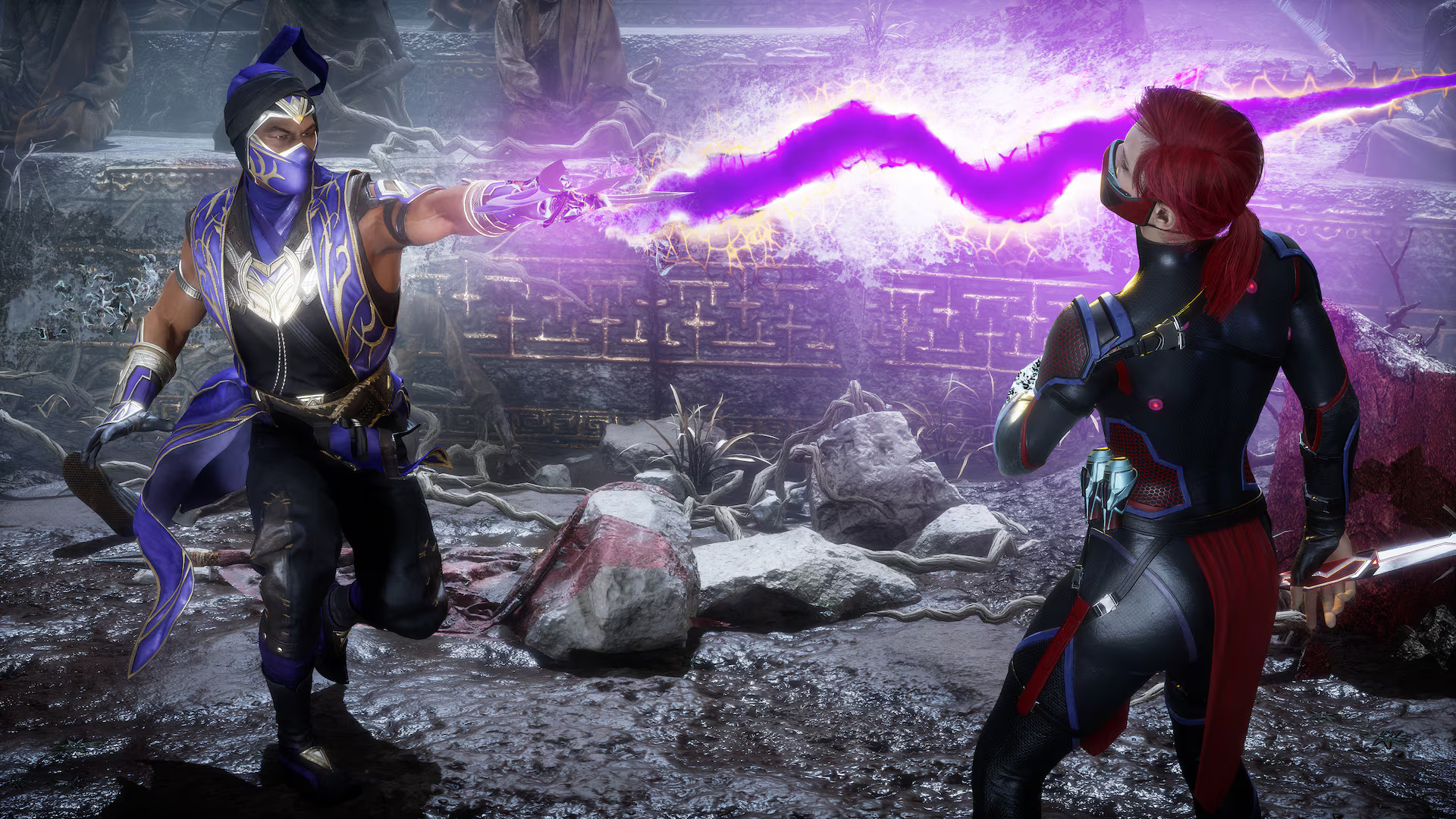
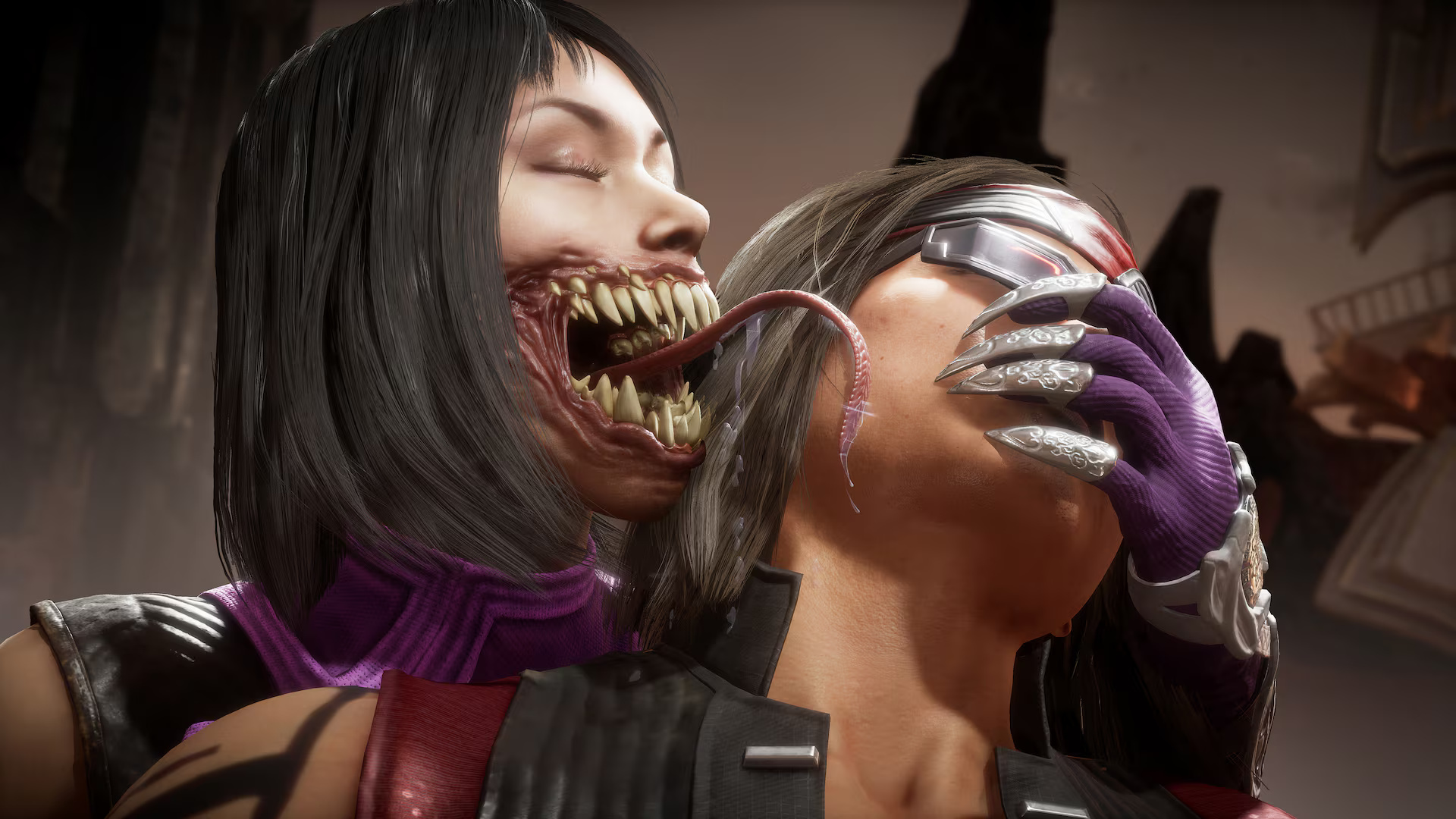
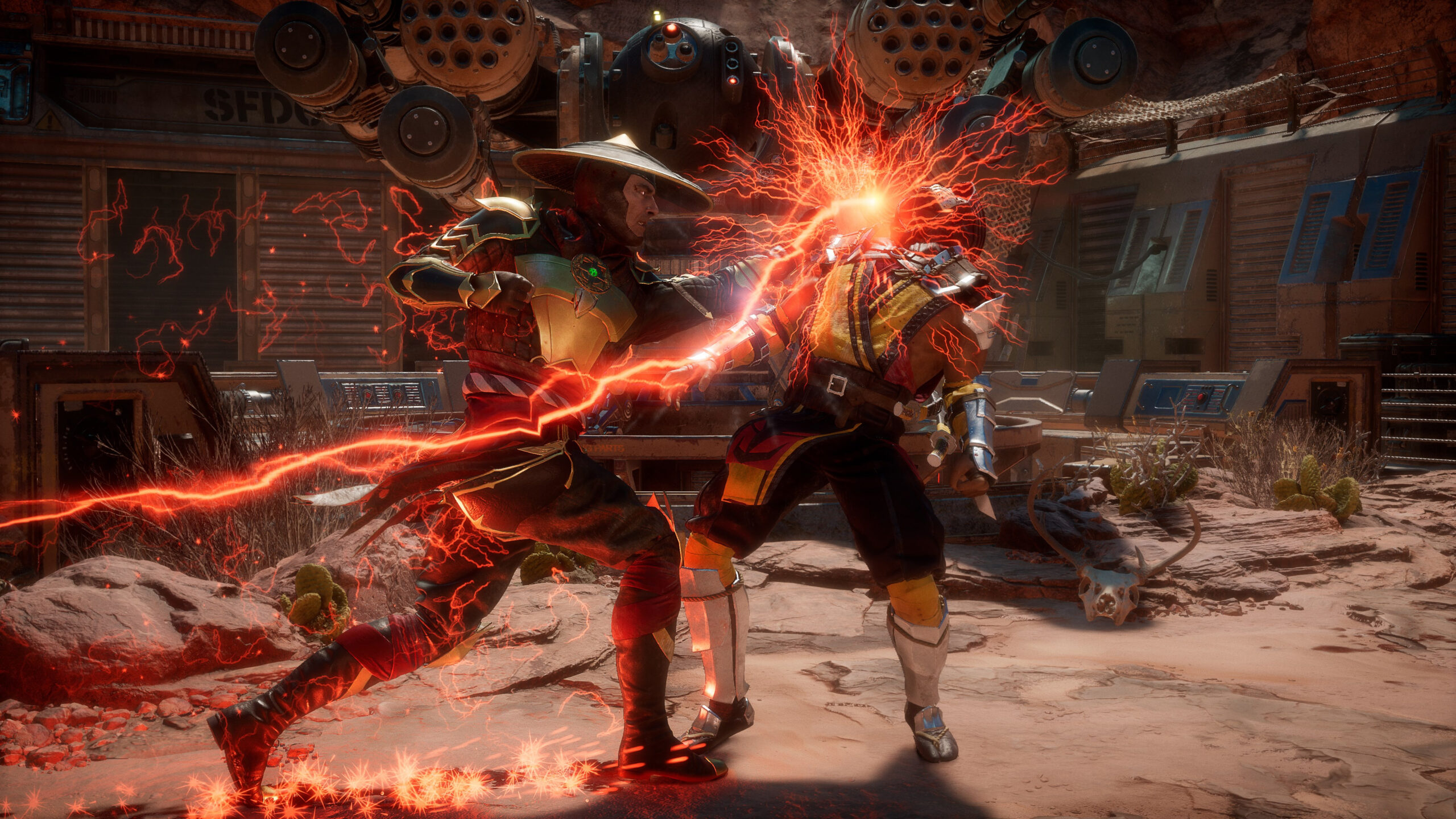
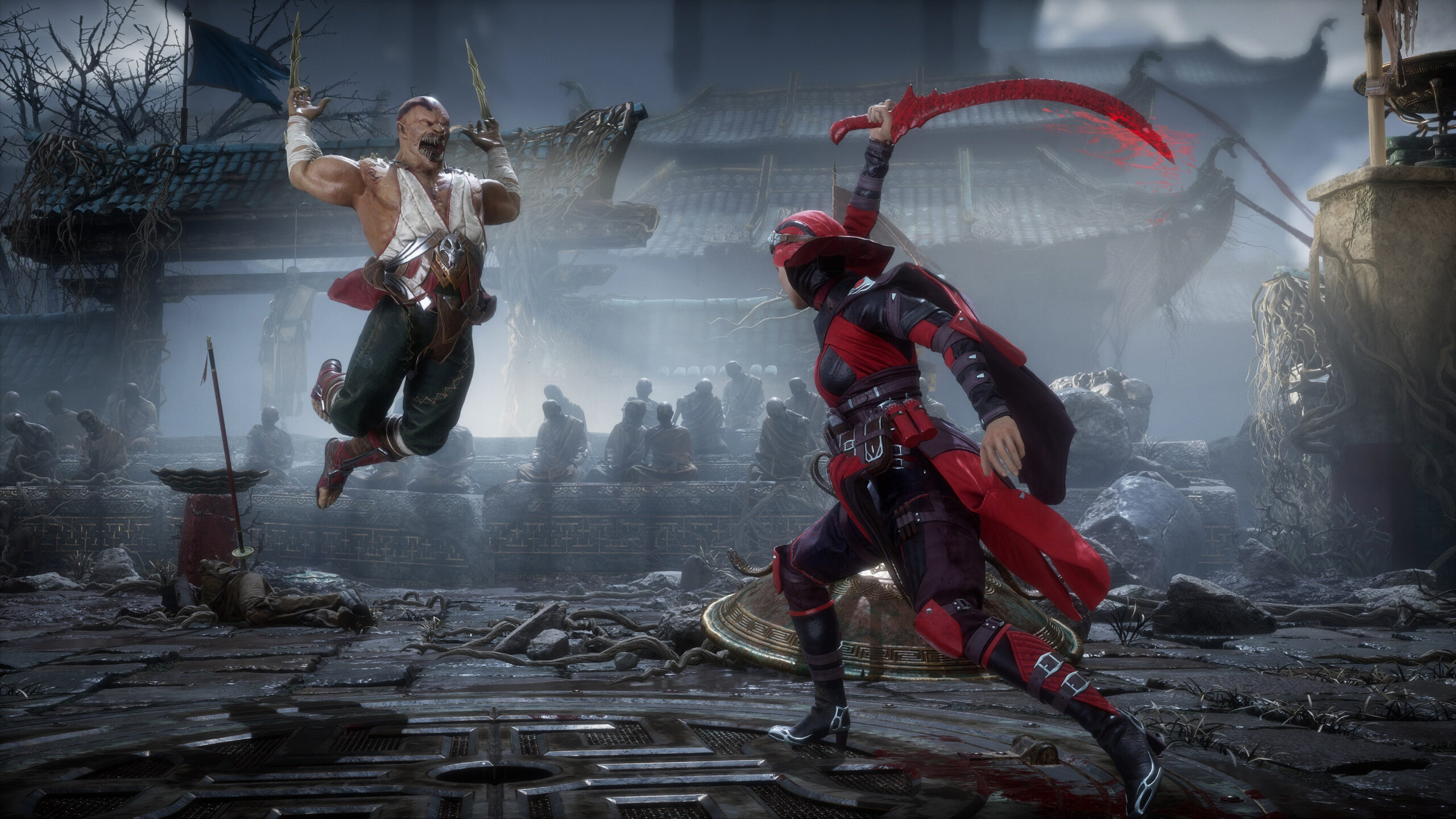
Mortal Kombat 11 presents a visual style that leans heavily into cinematic realism, where every punch, movement, and expression is designed to feel grounded yet dramatic. The art direction focuses on high-contrast lighting and richly detailed character models, giving fighters a strong physical presence on screen. Faces show emotion, armor reflects light naturally, and even small details like fabric movement or battle damage add to the sense that these characters exist beyond the fight itself.
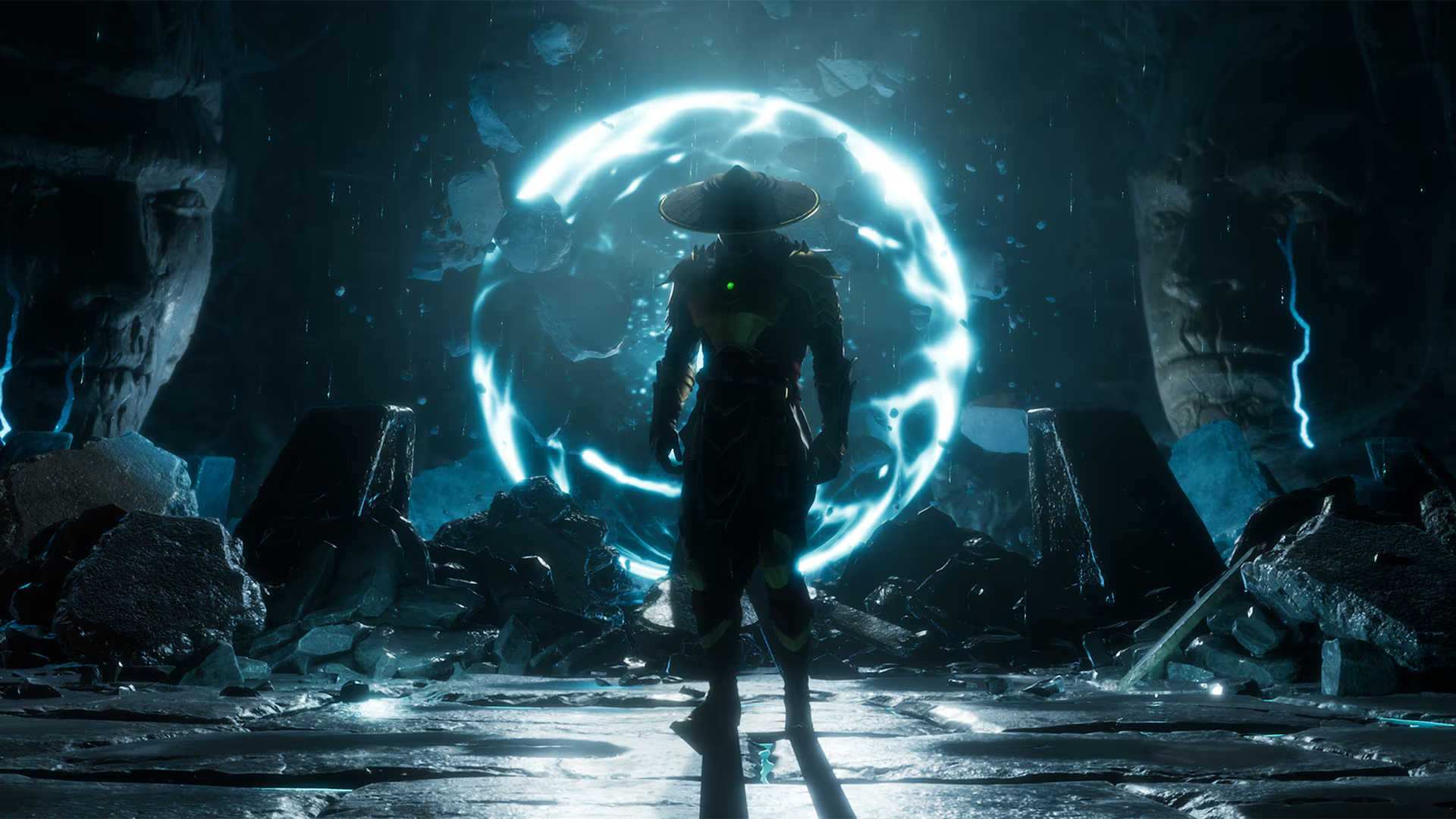
The color palette shifts depending on the environment, ranging from cold, metallic tones in futuristic arenas to warmer, earthier hues in ancient temples. This variety keeps each stage visually distinct while reinforcing the idea of a world made up of different realms and histories. Lighting plays a key role in setting the mood, often highlighting characters in a way that makes every clash feel like part of a larger, cinematic moment.
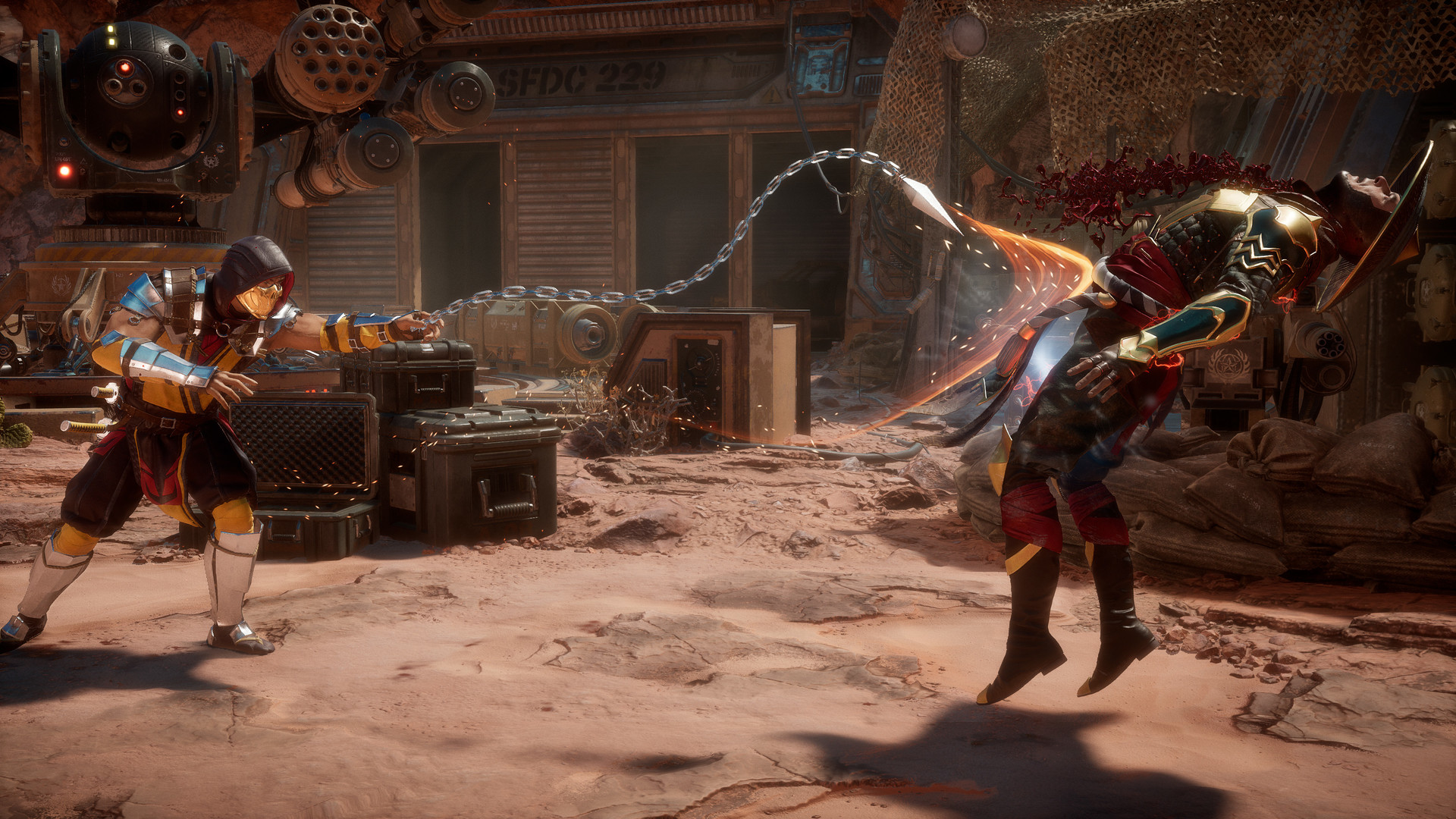
Animations are sharp and deliberate, with each attack flowing smoothly into the next. Movements carry weight, making combat feel impactful rather than exaggerated. Slow-motion effects during critical hits draw attention to key moments, adding tension and making victories more memorable without breaking immersion.
What sets the game apart is how consistently it blends its gritty tone with polished presentation. The visual effects, from sparks to environmental reactions, enhance the action without overwhelming it. Everything works together to create a world that feels intense, cohesive, and visually engaging, making it easy to stay immersed from the first fight to the last.
Technical Requirements
Mortal Kombat 11 is designed to run smoothly across a wide range of modern systems, making it accessible whether you’re playing on PC or console. On PC, the game performs reliably on mid-range hardware, with minimum requirements suited for stable 60 FPS gameplay at lower settings, while recommended specs allow for sharper visuals, improved lighting, and more consistent frame pacing. Even on modest setups, the experience remains responsive, which is crucial for a precision-based fighting game where timing matters. While it’s not natively built for Linux, some players run it through compatibility layers, though performance can vary depending on configuration.
The game is available across major platforms including PlayStation, Xbox, Nintendo Switch, and Windows PC via popular storefronts, giving players flexibility in how they access it. On consoles, it’s optimized to deliver consistent performance, with smooth animations and stable frame rates that hold up well during both offline and online matches. Load times are generally quick, keeping the flow between fights uninterrupted.
Performance scaling is one of its strengths. Lower-end systems can reduce visual settings like shadows and effects without losing gameplay clarity, while high-end PCs can push higher resolutions and finer details for a more cinematic look. The core combat experience remains intact across all setups, ensuring fairness and responsiveness regardless of hardware.
Control options are flexible, supporting both keyboard and mouse as well as full controller compatibility. Inputs can be remapped to suit personal preferences, which is especially useful for players fine-tuning their combos. Accessibility features include adjustable difficulty, subtitles for story content, and clear visual cues during combat, helping both newcomers and experienced players stay engaged and comfortable throughout the experience.
Who Is This Game For?
Mortal Kombat 11 is a strong fit for players who enjoy skill-based combat and the satisfaction that comes from steady improvement. If you like fighting games where timing, precision, and learning your opponent matter, this is the kind of experience that rewards patience and practice. Competitive players, in particular, will appreciate the depth of its combat system and the way each match becomes a test of strategy and reflexes, especially in online multiplayer where every fight feels unpredictable.
At the same time, it’s approachable for casual players who may not have much experience with the genre. The controls are easy to understand at a basic level, and the single-player modes provide a more relaxed environment to learn mechanics at your own pace. Players who enjoy story-driven content will also find value here, as the narrative offers a structured way to engage with the world without needing to jump straight into competitive play.
This game also suits players who like short, repeatable sessions. Matches are quick, making it ideal for those who prefer jumping in for a few rounds rather than committing to long play sessions. The progression systems and character customization add an extra layer of motivation, especially for players who enjoy unlocking content over time.
However, it may not appeal as strongly to players looking for open-world exploration or a purely casual, low-pressure experience. The core gameplay is built around one-on-one combat, and while it’s accessible, it does expect a willingness to learn and adapt. For those who enjoy competitive gameplay, structured progression, and a focused player experience, it offers a satisfying and consistently engaging reason to keep coming back.
FAQ
What type of game is Mortal Kombat 11?
Mortal Kombat 11 is a cinematic, story-driven fighting game focused on one-on-one combat. Players control a roster of unique characters, each with distinct abilities, combos, and fighting styles. The game blends fast-paced action with strategic depth, rewarding timing, reflexes, and tactical decision-making.
Is it suitable for single-player or multiplayer?
The game offers both experiences. The story mode provides a structured, cinematic experience for solo players, while Towers of Time and online multiplayer allow for competitive matches. Casual players can enjoy offline battles or local multiplayer, and competitive players can test their skills in ranked online matches.
Which platforms is the game available on?
Mortal Kombat 11 is available on Windows PC, PlayStation, Xbox, and Nintendo Switch. On PC, it runs well on mid-range systems, with options to scale graphics for lower-end setups or take advantage of high-end hardware for sharper visuals and smoother frame rates.
How long is the game, and what about replay value?
The story mode typically lasts 6–10 hours, but the variety of modes, character customization, and competitive multiplayer give it high replayability. Towers, challenges, and rotating online content ensure there’s always something new to master.
Is it good for casual or hardcore players?
Both. Casual players can enjoy story and arcade-style modes at their own pace, while hardcore or competitive players will appreciate the depth of combos, advanced mechanics, and online competition.
Does the game support accessibility features?
Yes. It includes subtitles, adjustable difficulty, and clear visual cues during combat. Controls can be remapped, supporting both controllers and keyboard/mouse setups.
Do I need an internet connection to play?
The story and local modes can be played offline, but online multiplayer and certain rotating challenges require an internet connection.
Are there extra content or DLCs?
Mortal Kombat 11 has additional character packs, skins, and challenge content available, which expand the roster and customization options without impacting the core gameplay.
Operating System (OS)
Other Details
Languages


Reviews
There are no reviews yet.