
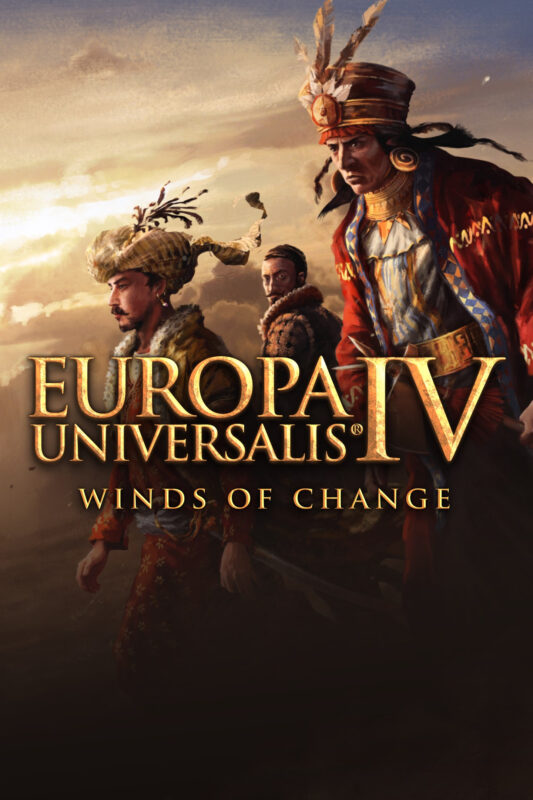
Europa Universalis IV – Winds of Change DLC PC Steam CD Key
3 in stock
copies left3 in stock
Sold by: OMG Gamer


Delivery24/7
supportVerified
Sellers

Product Description
Europa Universalis IV – Winds of Change DLC PC Steam CD Key
Quck Intro
Europa Universalis IV – Winds of Change DLC expands the depth and scope of Paradox Interactive’s classic grand strategy experience, inviting players to steer nations through centuries of political, economic, and military transformation. Designed for both new and returning strategists, this expansion builds on the core EU4 gameplay of empire management, diplomacy, trade control, and historical simulation, while adding fresh regional content and updated mechanics that reshape how different parts of the world evolve. Players can expect more nuanced decision-making as they navigate shifting power balances, cultural developments, and expanding global influence. The DLC stands out for enriching underexplored regions and offering new strategic pathways that reward long-term planning and adaptability. Whether you enjoy shaping colonial empires, stabilizing fractured states, or pursuing alternative historical outcomes, Winds of Change deepens the sandbox experience that defines Europa Universalis IV.
About
Europa Universalis IV – Winds of Change DLC is an expansion for the grand strategy game Europa Universalis IV, where players guide a nation through centuries of political ambition, warfare, exploration, and economic development. At its core, the game lets you step into the role of a historical ruler, shaping the fate of countries across a dynamic world map where every decision can alter the course of history.
In this experience, players spend their time managing diplomacy, expanding territories, negotiating alliances, and carefully balancing internal stability with external threats. Wars are not just about battles, but about timing, positioning, and long-term consequences. Trade routes, cultural influence, and technological advancement all feed into a larger strategic puzzle that rewards patience and foresight. Winds of Change enhances this loop by adding deeper regional focus and new strategic options that make certain parts of the world feel more alive and reactive, encouraging different approaches depending on where you start.
What sets this DLC apart within the grand strategy genre is its emphasis on evolving global dynamics and more detailed regional storytelling through mechanics. Instead of a single dominant playstyle, it opens multiple paths for expansion and survival, whether you prefer aggressive conquest, careful diplomacy, or slow economic dominance. The experience is less about quick victories and more about long-term planning and adapting to an unpredictable world simulation.
This game appeals most to strategy enthusiasts who enjoy complex systems, historical settings, and decision-driven gameplay. It also suits players who like sandbox-style experiences where outcomes are shaped by experimentation rather than fixed narratives. Every campaign feels different, driven by your choices and the shifting balance of global powers.
Europa Universalis IV – Winds of Change DLC ultimately offers a deeper layer of strategy for players who enjoy thinking several steps ahead in a living historical world. It invites you to test ideas, rewrite outcomes, and watch nations rise or fall under your guidance, making each session feel like a new chapter in a world that never plays the same way twice.
Key Features
Europa Universalis IV – Winds of Change DLC builds on the grand strategy foundation of Europa Universalis IV, expanding how players shape nations across centuries of political tension, economic growth, and military conflict. It deepens the experience of ruling a country where every decision carries long-term consequences on a living historical map.
Players engage in a continuous gameplay loop of diplomacy, warfare, trade management, and internal governance. You negotiate alliances, declare wars, manage rebellions, and balance national stability while watching global powers rise and fall in real time. Each campaign becomes a long-form strategic story driven entirely by player choice and shifting world conditions.
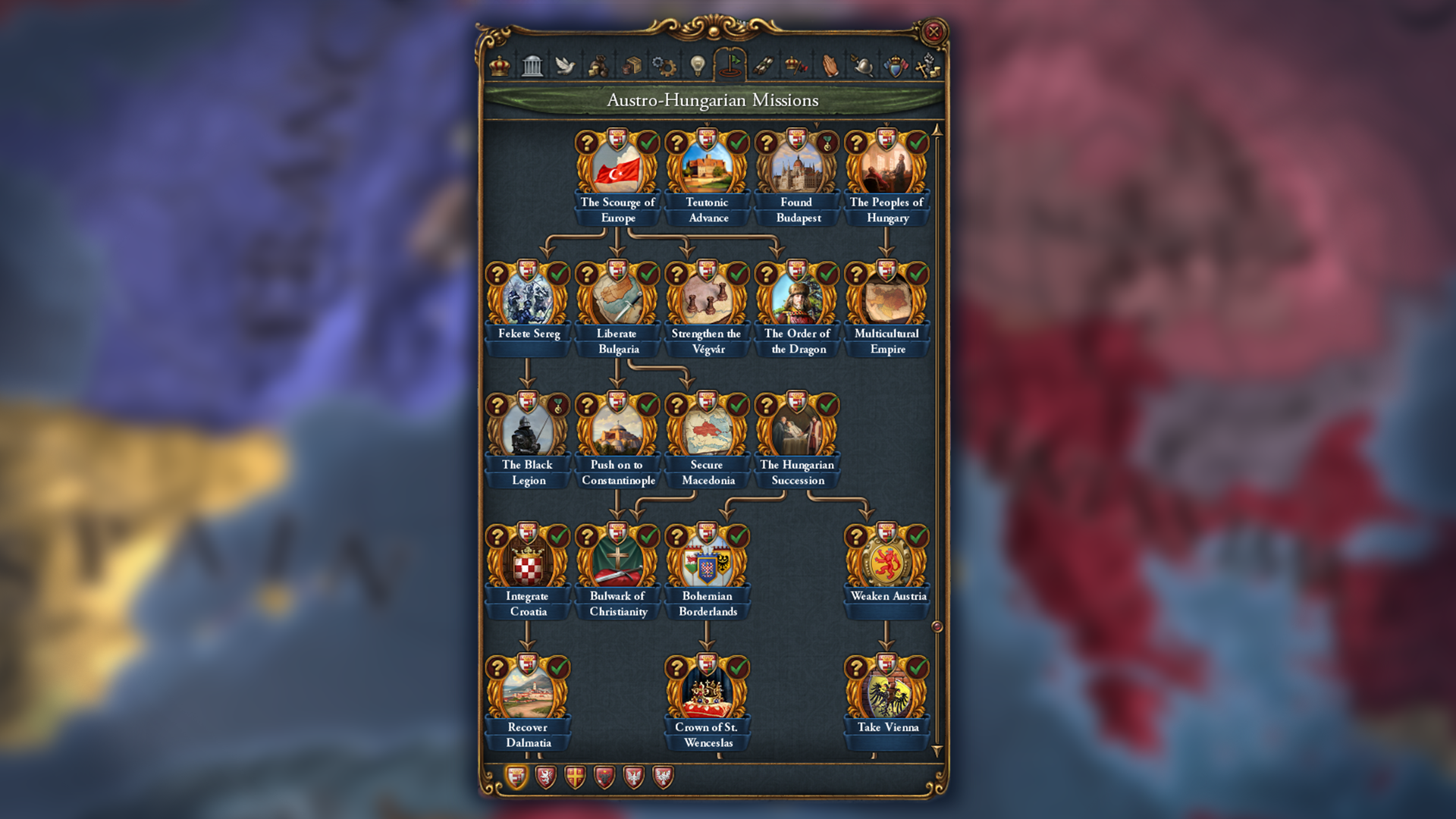
The DLC expands regional depth, giving certain parts of the world more detailed mechanics and unique development paths. This makes starting locations feel more distinct, encouraging different strategies depending on geography, culture, and surrounding powers. It adds variety to early and mid-game decisions, especially for players who enjoy exploring alternative historical outcomes.
A strong focus on asymmetrical gameplay means no two nations play the same way. Some regions may reward expansion and conquest, while others demand careful diplomacy, economic planning, or defensive survival. This creates a layered strategy experience where adaptation matters as much as planning.
Progression is driven by technology, institutions, and national ideas, allowing players to customize how their nation evolves over time. Military strength, trade dominance, and cultural influence all develop through interconnected systems that reward long-term thinking rather than short-term gains.
Replayability is one of the strongest aspects of the experience, with dynamic world events and unpredictable AI behavior ensuring each campaign unfolds differently. Players who enjoy sandbox-style strategy games will find freedom in shaping their own historical narrative without a fixed storyline guiding them.
Europa Universalis IV – Winds of Change DLC is designed for players who enjoy deep strategic thinking, historical simulation, and long-form nation building. It rewards patience, experimentation, and the ability to adapt to a constantly changing global landscape where every choice can redefine the balance of power.
Gameplay
Europa Universalis IV – Winds of Change DLC expands the grand strategy gameplay of Europa Universalis IV, where players take control of a nation and guide it through centuries of political, economic, and military development. The core experience revolves around shaping history on a detailed world map, making decisions that influence diplomacy, warfare, trade, and internal stability. Players are constantly reacting to global shifts while planning long-term strategies.
The main gameplay loop is built around continuous decision-making, where players balance expansion with survival. You negotiate alliances, declare wars, manage economies, and handle rebellions while watching other nations pursue their own ambitions. Every action has consequences that unfold over time, creating a layered strategy experience that rewards patience and careful planning. Progression comes from technological advancement, institutional growth, and improved national ideas.
Combat and diplomacy work together as core systems, with wars requiring strategic positioning, timing, and resource management rather than simple battles. Players must consider supply lines, terrain, and alliances before committing to conflict. Diplomacy is equally important, allowing shifting alliances, trade agreements, and political influence to shape global power structures. These mechanics create a tactical and immersive gameplay experience.
The Winds of Change DLC enhances regional gameplay by adding deeper mechanics and unique development paths for specific areas of the world. This increases strategic diversity, as different regions now demand distinct approaches based on culture, geography, and political conditions. Players can explore alternative historical outcomes and adapt their strategies to more dynamic regional systems that feel alive and reactive.
Supports single-player campaigns and multiplayer sessions, offering flexible ways to experience large-scale strategy gameplay. Replayability is high due to unpredictable AI behavior, varied starting nations, and evolving world events. Over time, players develop deeper mastery of systems, learning to optimize economies, military strength, and diplomatic influence for different playstyles.
Story & World
Europa Universalis IV – Winds of Change DLC unfolds within the sweeping historical sandbox of early modern Earth, a world in constant transformation where empires rise, borders shift, and cultures collide. Rather than following a single scripted narrative, the experience is shaped by a living global timeline that stretches from the late medieval era into the dawn of the modern age. It is a historical grand strategy setting where every region feels interconnected, and every decision made by a ruler can echo across continents.
At the center of this world is the player’s role as the guiding force behind a nation-state. You are not a hero in the traditional sense, but a ruler, advisor, or strategist shaping the destiny of a country through diplomacy, ambition, and survival. The world does not revolve around a single story; instead, it reacts dynamically to shifting alliances, colonial expansion, religious change, and economic competition. Winds of Change expands this living historical framework by adding deeper regional identity and more nuanced developments in specific parts of the world, making the global stage feel even more layered and responsive.
The setting spans a vast and detailed world map filled with diverse cultures, political systems, and emerging powers. From established empires with centuries of tradition to smaller states struggling for independence, every region carries its own tensions and opportunities. Trade routes connect distant continents, spreading wealth, ideas, and conflict. Religious movements reshape societies, while technological progress gradually alters how nations interact and compete. The atmosphere is one of constant motion, where stability is temporary and ambition is everywhere.
What makes this world stand out is its sense of historical plausibility combined with open-ended possibility. It is grounded in real-world history but never locked into a single outcome. Major factions can collapse, minor states can become dominant powers, and unexpected alliances can redefine entire regions. Winds of Change enhances this feeling by giving more texture to underrepresented areas, making their histories feel more personal and strategically meaningful within the larger global narrative.
The tone of the world is both grounded and expansive, capturing the uncertainty and ambition of an era defined by exploration and transformation. As you navigate this shifting landscape, you are constantly aware that every decision influences not just borders, but cultures, economies, and long-term historical trajectories. The world feels alive because it is always moving forward, even when you pause to plan your next step.
Europa Universalis IV – Winds of Change DLC ultimately presents a world where history is not fixed but shaped in real time. It invites players to observe, adapt, and intervene in a global stage that feels vast, reactive, and deeply interconnected, offering a sense of scale and consequence that makes every campaign feel like a different version of history waiting to unfold.
Game Modes
Europa Universalis IV – Winds of Change DLC is experienced primarily through long-form grand strategy campaigns, where each “mode” of play emerges from how you choose to engage with its systems rather than fixed menu-driven options. The most common way to play is the single-player campaign, which places you in full control of a nation across centuries of historical development. In this mode, the focus is on pacing your growth carefully, responding to global events, and experimenting with different strategic paths. It suits players who enjoy deep thinking, historical simulation, and the freedom to rewrite outcomes at their own pace.
Multiplayer offers a different kind of experience, where strategy becomes more unpredictable and reactive. Players compete or cooperate across the same evolving world map, forming alliances, breaking treaties, and engaging in large-scale wars that feel shaped as much by diplomacy as by military strength. This mode appeals to those who enjoy competitive strategy, negotiation, and reading human behavior as much as in-game systems.
There are also custom sandbox-style campaigns, where players can select any nation and create their own objectives without strict narrative direction. This approach emphasizes experimentation and replayability, allowing both casual and experienced players to explore alternate historical scenarios or focus on specific regional challenges introduced and expanded by Winds of Change.
Challenge-driven play naturally emerges from the game’s design as well, where players set personal goals such as surviving as a small nation, building a global trade empire, or dominating through military conquest. These self-imposed scenarios add variety and extend the game’s long-term appeal, especially for players who enjoy mastery over complex systems.
Across all modes, the experience remains consistent in its depth and strategic pacing, but the outcomes feel dramatically different each time. Whether played solo for reflective, long-term planning or multiplayer for dynamic political interaction, Europa Universalis IV – Winds of Change DLC offers a flexible structure that adapts to different playstyles while maintaining a strong focus on strategic decision-making and evolving world simulation.
Visuals & Art Style
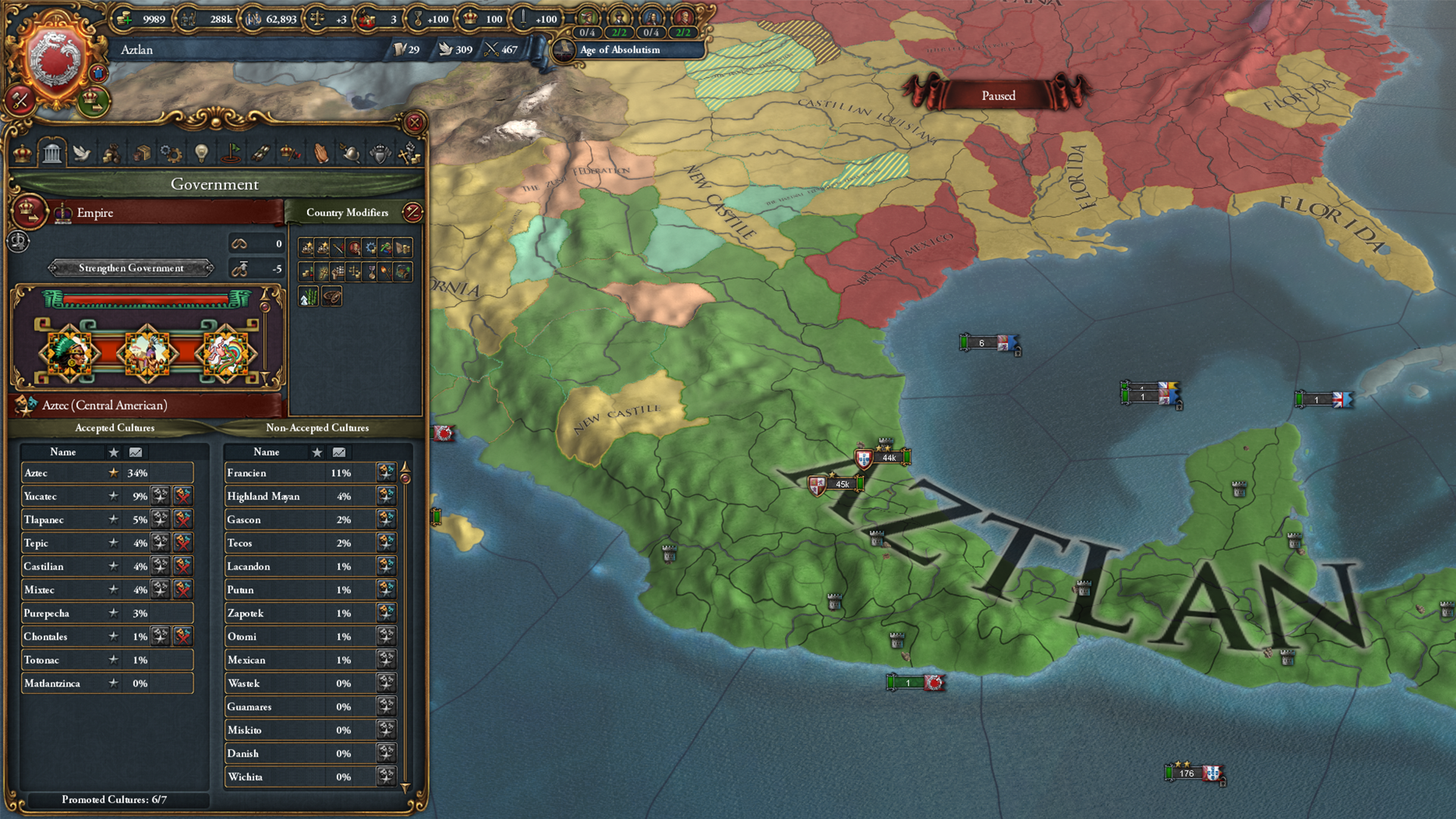
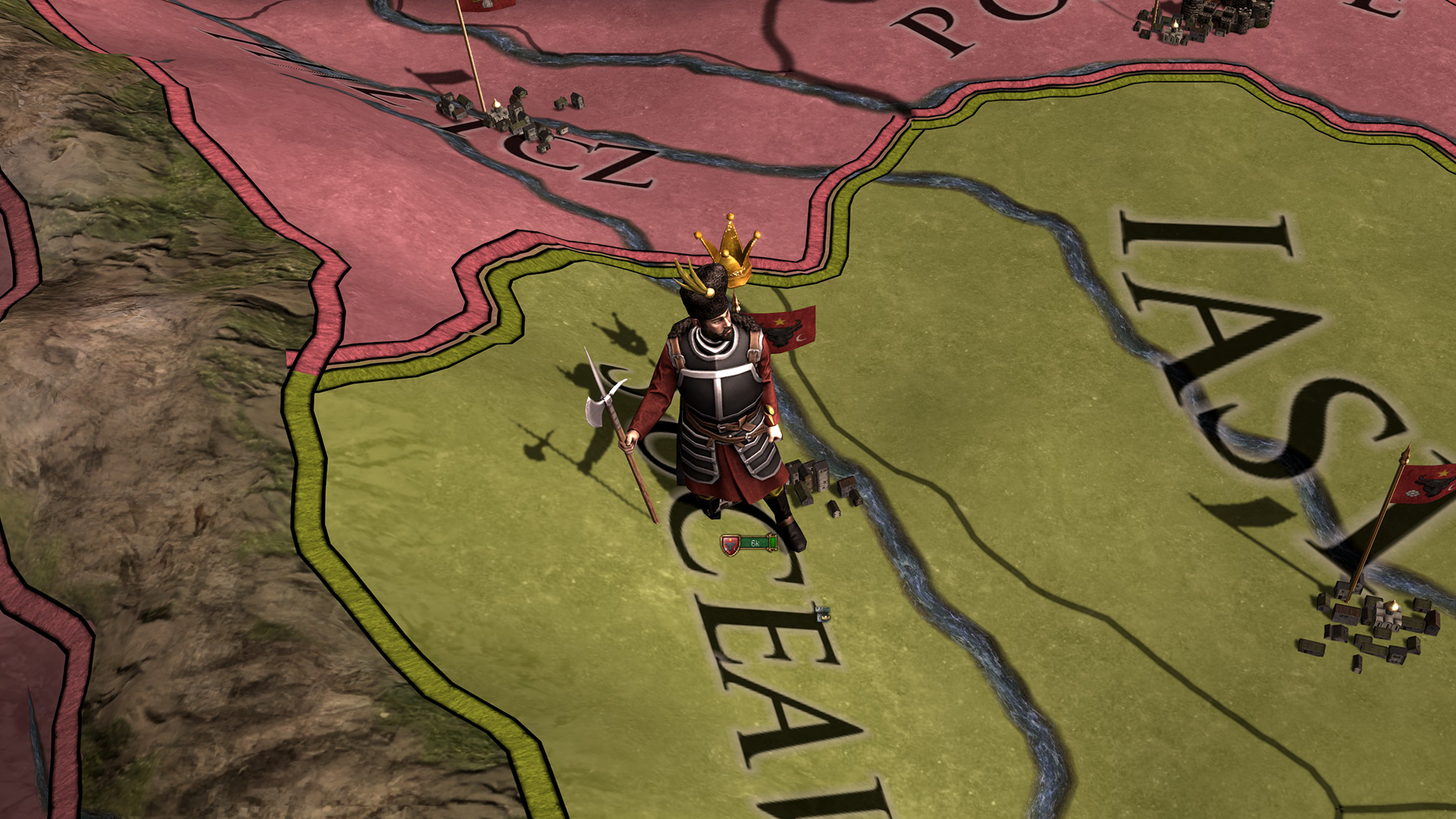
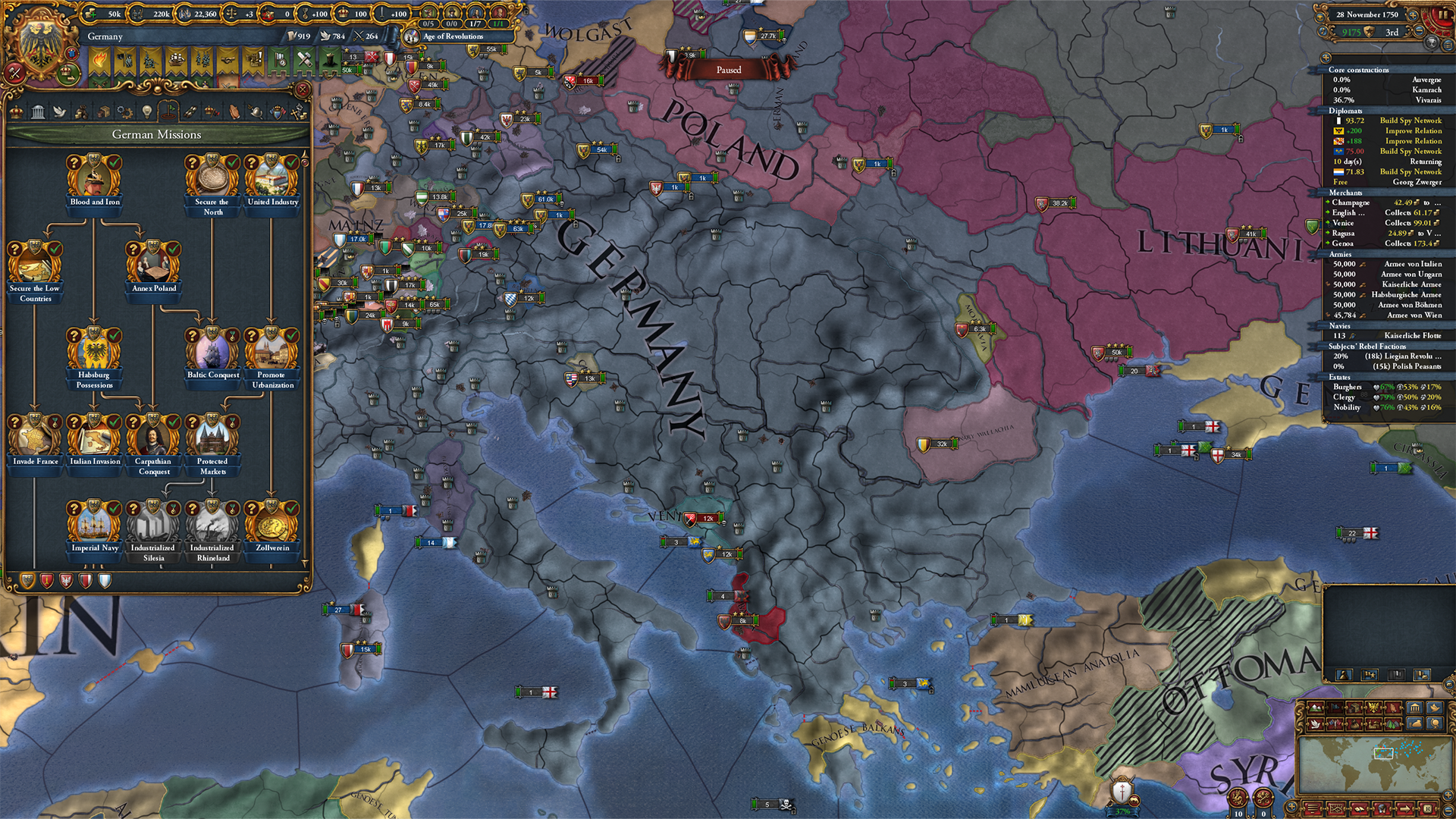
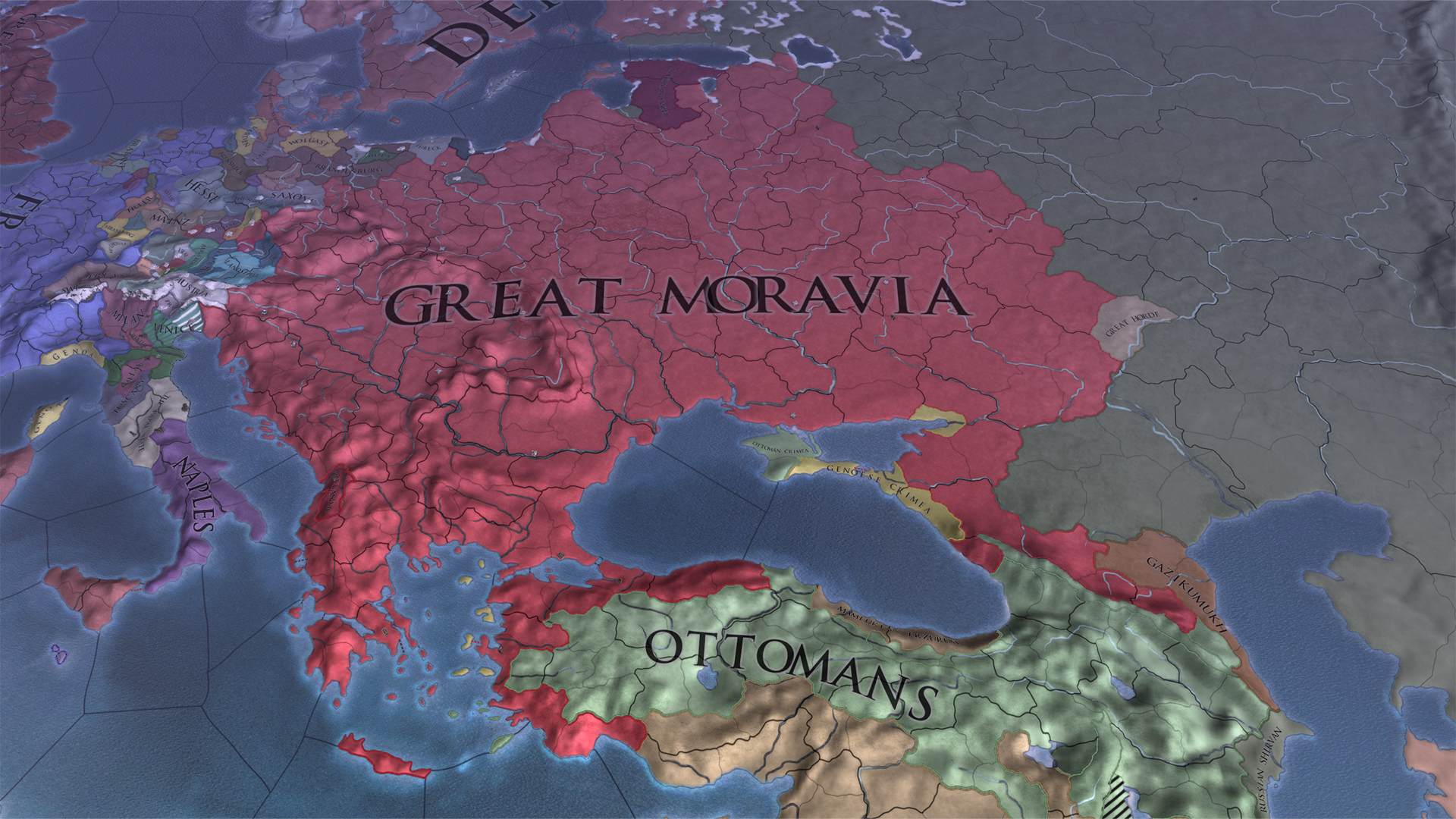
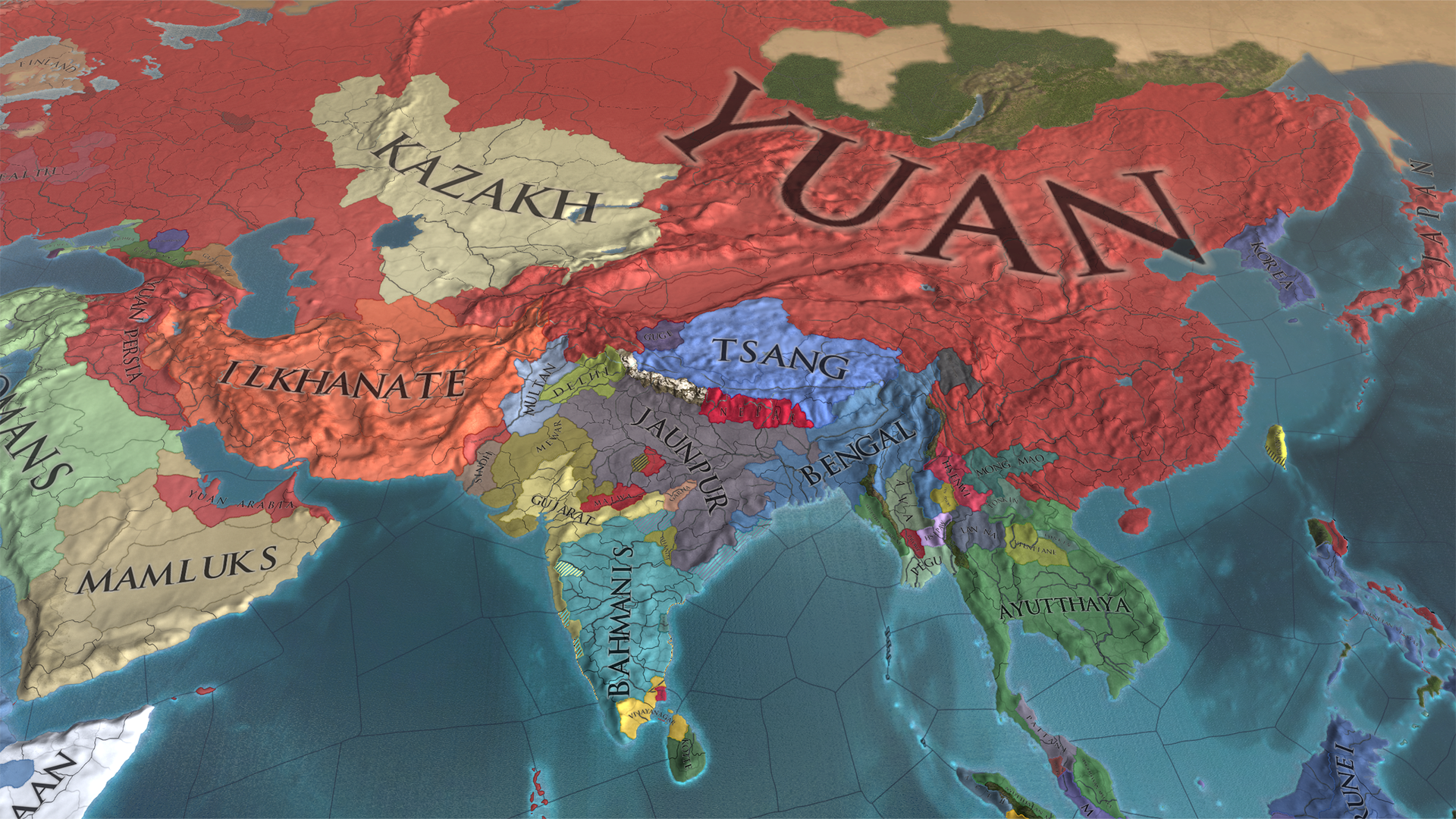
Europa Universalis IV – Winds of Change DLC presents a distinct visual identity shaped by clarity, readability, and historical atmosphere rather than cinematic spectacle. The world is viewed from a detailed top-down perspective, where the map itself becomes the centerpiece of the experience. At first glance, it may appear minimal, but the longer you look, the more it reveals layers of design that reflect geography, politics, and cultural identity across centuries.
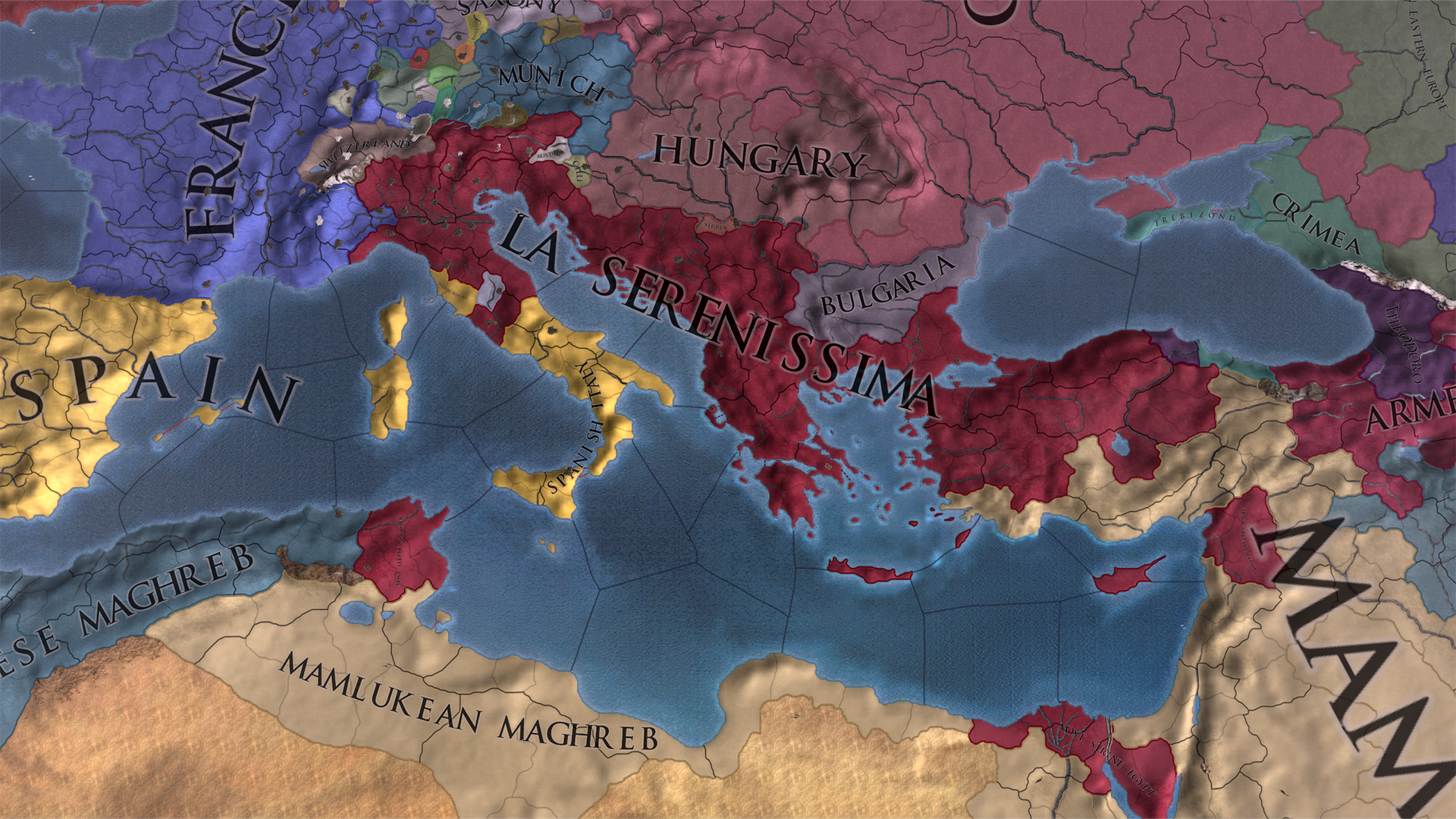
The art style leans into a clean, strategic presentation with carefully designed borders, terrain shading, and region-based color palettes that help players instantly understand political control and environmental diversity. Forests, mountains, rivers, and coastlines are stylized in a way that prioritizes clarity without losing their sense of place. As empires expand or collapse, the map visually shifts, making the world feel alive through subtle but constant transformation.
Lighting and color usage play a quiet but important role in setting tone. War feels heavier through darker tones and tense border contrasts, while peace and economic growth are reflected in softer, more unified regional colors. These shifts are not flashy, but they reinforce the emotional rhythm of long-term strategy gameplay, where decades of change are compressed into readable visual evolution.
Winds of Change enhances this visual structure by adding more regional distinction and identity, making certain parts of the world feel visually richer and more culturally defined. These refinements help players recognize differences not just through mechanics, but through how the map itself presents each region’s personality and development path.
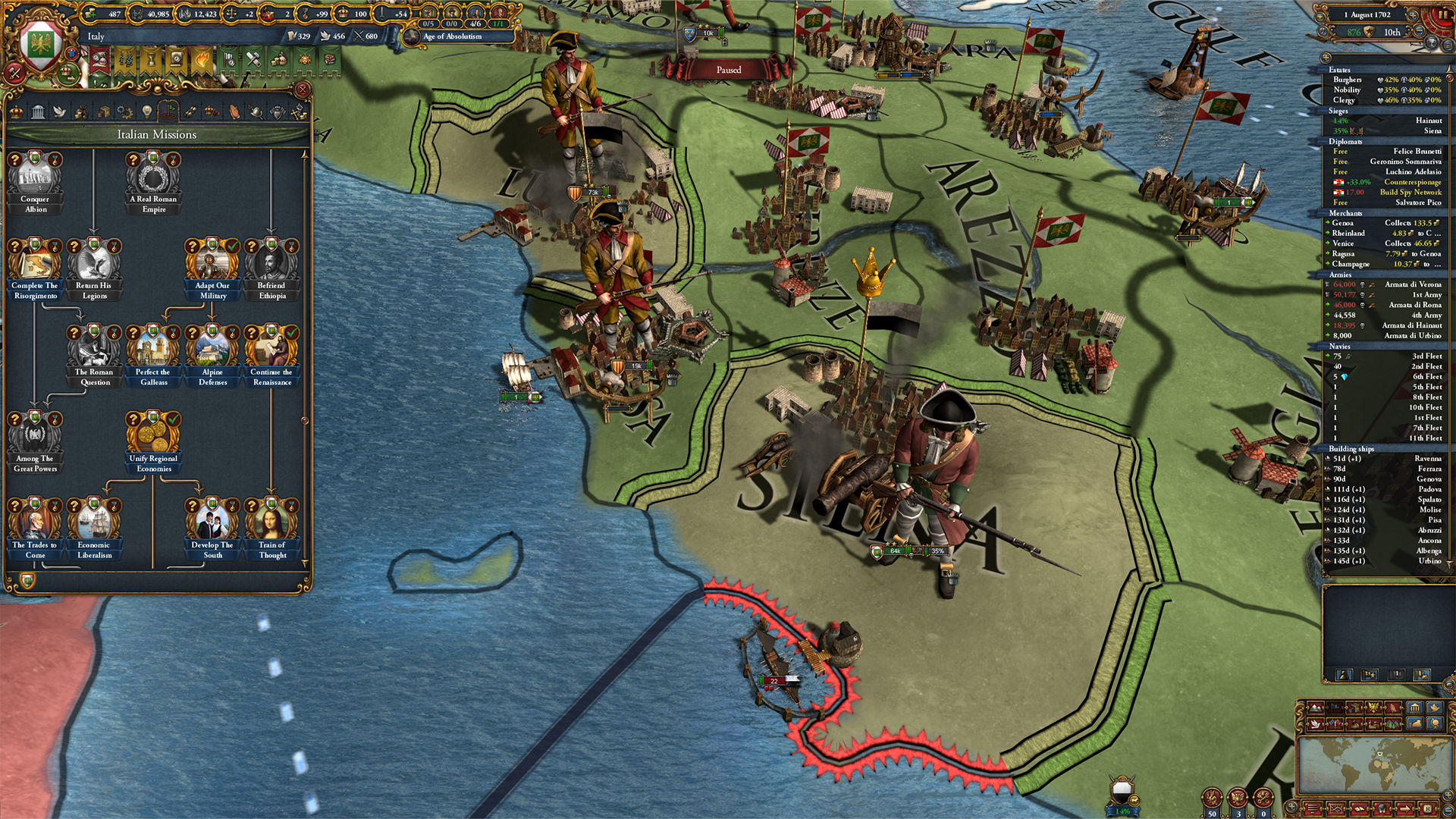
There are no traditional character animations or cinematic cutaways driving the experience; instead, meaning is conveyed through the movement of armies, shifting borders, trade routes, and dynamic map overlays. This creates a restrained but deeply functional visual language where every change on screen carries strategic significance.
The result is a presentation style that favors intelligence over spectacle. It doesn’t overwhelm with detail for its own sake, but instead builds a readable, evolving world that supports long-form thinking and decision-making. Over time, players begin to read the map almost instinctively, recognizing stories of rise and decline not through cutscenes, but through visual change alone.
Technical Requirements
Europa Universalis IV – Winds of Change DLC is available on PC, including Windows, macOS, and Linux, primarily through major digital platforms such as Steam and Paradox’s launcher ecosystem. As an expansion, it requires the base game to run, and it inherits the same system profile, meaning it is designed to scale across a wide range of hardware rather than demanding high-end specifications. On most modern systems, even modest CPUs and integrated or entry-level dedicated GPUs can run the game, making it accessible to a broad PC gaming audience.
For minimum requirements, players can expect the game to run on a dual-core processor, around 8 GB of RAM, and basic graphics support suitable for 2D strategy rendering. Recommended setups typically include a stronger multi-core CPU and 16 GB of RAM, which help maintain smoother performance during late-game scenarios where the world map becomes highly active with wars, diplomacy, and economic simulation. Storage requirements are relatively light, and SSD installation noticeably improves loading times and save file access.
Performance in Europa Universalis IV is more about simulation stability than graphical intensity. Early and mid-game runs are generally smooth, while late-game periods can become more CPU-dependent due to the sheer number of ongoing systems running simultaneously. The game includes adjustable speed controls and a pause-based structure, allowing players to manage complexity without feeling pressured by real-time performance limits.
Controls are built around keyboard and mouse, offering a highly detailed interface designed for precision strategy management. Hotkeys, map modes, and contextual tooltips allow players to navigate large-scale decisions efficiently. Full key remapping is supported, making it adaptable for different playstyles and ergonomic preferences.
Accessibility is supported through scalable UI options, adjustable text sizes, and interface clarity settings that improve readability across long sessions. Visual map modes and color-coded systems help distinguish political, economic, and military information at a glance. Audio cues and notification systems can also be customized to reduce cognitive load or highlight important events.
Overall, Winds of Change maintains the same flexible, scalable performance philosophy as Europa Universalis IV, ensuring that both casual players and long-session strategy veterans can experience the game smoothly across a wide range of PC hardware setups.
Who Is This Game For?
Europa Universalis IV – Winds of Change DLC is best suited for players who enjoy deep, long-form strategy games where patience, planning, and decision-making matter more than quick reflexes. If you like taking control of a nation and watching it evolve over centuries, shaping its politics, economy, and military direction, this experience will feel naturally engaging. It appeals strongly to fans of grand strategy gameplay who enjoy systems that reward thinking several steps ahead rather than immediate action.
This game is ideal for players who enjoy historical simulation, sandbox-style progression, and open-ended outcomes. There is no single path to victory, which makes it especially appealing for those who like experimenting with different nations, testing alternate historical scenarios, or building unique playstyles over multiple campaigns. The Winds of Change DLC adds more regional depth and variety, which further benefits players who enjoy replayability and discovering new strategic approaches with each run.
It is also a strong fit for players who prefer single-player experiences with full control over pacing. You can pause, plan, and adjust your strategy without pressure, making it suitable for thoughtful and methodical gameplay sessions. Multiplayer adds another layer for those who enjoy competitive strategy and diplomacy against real players, but it is entirely optional.
However, this game may feel overwhelming for players who prefer fast-paced action, immediate feedback, or straightforward progression systems. The learning curve is gradual and the systems are interconnected, so it requires time to understand how diplomacy, warfare, and economy influence each other over long campaigns. Players looking for short, casual sessions may not fully experience its depth.
Overall, Europa Universalis IV – Winds of Change DLC is designed for strategy enthusiasts, history lovers, and players who enjoy complex decision-making and long-term planning. It rewards curiosity, experimentation, and persistence, offering a gameplay experience that gradually opens up the more time you invest in understanding its layered systems.
FAQ
What kind of game is Europa Universalis IV – Winds of Change DLC?
It is an expansion for a grand strategy game where you guide a nation through centuries of political, economic, and military development. The focus is on long-term decision-making, historical simulation, and shaping how the world evolves over time.
Do I need the base game to play this DLC?
Yes, Winds of Change requires Europa Universalis IV to run. It is not a standalone game and is designed to expand existing systems and regions within the base experience.
Is it single-player or multiplayer?
It supports both. Single-player is the most popular way to play, offering full control over pacing and strategy. Multiplayer lets you compete or cooperate with other players in a shared world, where diplomacy and unpredictability become even more important.
What platforms does it support?
The DLC is available on PC, including Windows, macOS, and Linux through major digital storefronts like Steam. It is built for keyboard and mouse gameplay, which is essential for managing its detailed strategy systems.
What kind of gameplay experience should I expect?
Expect a slow-burn strategy experience focused on diplomacy, warfare, trade, and nation-building. You’ll spend time planning moves, reacting to global events, and managing internal stability while watching your empire grow or decline over time.
Is it beginner-friendly or hardcore?
It is more suited to strategy-focused players, but newcomers can still enjoy it with time. The systems are deep and interconnected, so there is a learning curve, but the game rewards patience and experimentation.
Does it have good replay value?
Yes, very high. Each nation plays differently, and Winds of Change adds more regional variety, making new campaigns feel distinct even after many hours.
Can I play it offline?
Yes, single-player campaigns can be played offline, though multiplayer requires an internet connection.
FAQ
Operating System (OS)
Other Details
Release Date
Publishers
Developers
Age rating
Languages


Reviews
There are no reviews yet.