

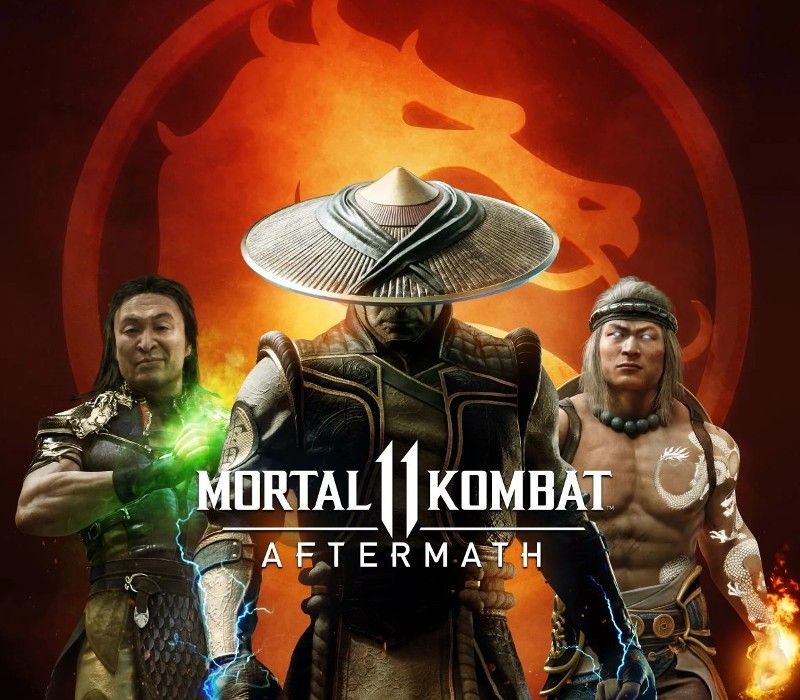
Mortal Kombat 11 – Aftermath DLC Steam CD Key
2 in stock
copies left2 in stock
Sold by: OMG Gamer






Delivery24/7
supportVerified
Sellers

Product Description
Mortal Kombat 11 – Aftermath DLC Steam CD Key
Quck Intro
Mortal Kombat 11: Aftermath expands the core experience of Mortal Kombat 11 with a cinematic story continuation and fresh gameplay additions that deepen its brutal, skill-based combat. Set in a time-bending narrative, players follow iconic fighters as alliances shift and new threats emerge, all presented through high-quality cutscenes that feel closer to an interactive movie than a traditional arcade fighter.
At its core, this is a competitive fighting game built around precise timing, character mastery, and strategic combos. The expansion introduces new playable fighters, stages, and finishing moves, giving both newcomers and returning players more ways to engage. Whether you’re here for the story mode or online battles, it offers a polished blend of accessibility and depth that defines modern fighting games.
About
Mortal Kombat 11: Aftermath is a story-driven expansion to Mortal Kombat 11 that blends cinematic storytelling with precise, skill-based fighting gameplay. It continues the game’s narrative with a time-altering conflict, placing players in control of legendary fighters as they navigate shifting alliances and high-stakes battles. From the first match, it feels like stepping into a gritty martial arts fantasy where every punch, counter, and finishing move carries weight.
The core experience revolves around one-on-one combat where timing, spacing, and character knowledge are key. Players spend their time mastering combos, learning opponent patterns, and experimenting with different fighters, each offering distinct abilities and playstyles. Whether progressing through the cinematic story mode or stepping into online matches, the loop remains engaging fight, adapt, improve, and push your skills further with every round.
What sets this apart from other fighting games is its balance between accessibility and depth. New players can grasp the basics quickly, while experienced players will find layers of strategy in mechanics like defensive options and character variations. The addition of new fighters and story content gives the experience a sense of progression beyond standard matches, making it more than just a competitive arena.
This game suits a wide range of players, from those who enjoy narrative-driven experiences to competitive players seeking technical combat mastery. Even casual players can find satisfaction in its cinematic presentation and responsive controls. Over time, there’s a natural sense of growth as you become more confident in your decisions and execution.
There’s a certain intensity to every fight, a feeling that every move matters, and that’s what makes it worth stepping into the arena right now.
Key Features
Mortal Kombat 11: Aftermath builds on the core fighting game experience with a focus on precise, one-on-one combat where every move feels deliberate. Players engage in fast-paced matches that reward timing, spacing, and smart decision-making, creating a loop of learning, adapting, and improving with each fight.
The cinematic story expansion adds a narrative layer rarely seen in the fighting genre. Matches are seamlessly woven into high-quality cutscenes, giving players a sense of progression and purpose as they move through a time-bending storyline filled with shifting alliances and memorable characters.
Combat goes beyond simple button inputs, offering layered mechanics like defensive counters, environmental interactions, and character-specific abilities. Each fighter brings a unique playstyle, encouraging experimentation and mastery over time, whether you prefer aggressive pressure or calculated defense.
Customization plays a meaningful role, allowing players to tailor characters through different abilities, visual gear, and variations. This not only changes how fighters look but can subtly influence strategy, giving players more control over how they approach each match.
For those seeking longevity, the game offers multiple ways to stay engaged. Competitive online modes provide a constant challenge against other players, while offline towers and challenges deliver structured goals and rewards. The result is a steady sense of progression, whether you’re sharpening skills or unlocking new content.
What stands out is how approachable the game feels without sacrificing depth. New players can quickly understand the basics, while experienced players can dive into advanced techniques and mind games that define high-level play.
Across every mode, there’s a consistent feeling of intensity and impact, making each match feel personal and worth coming back to.
Gameplay
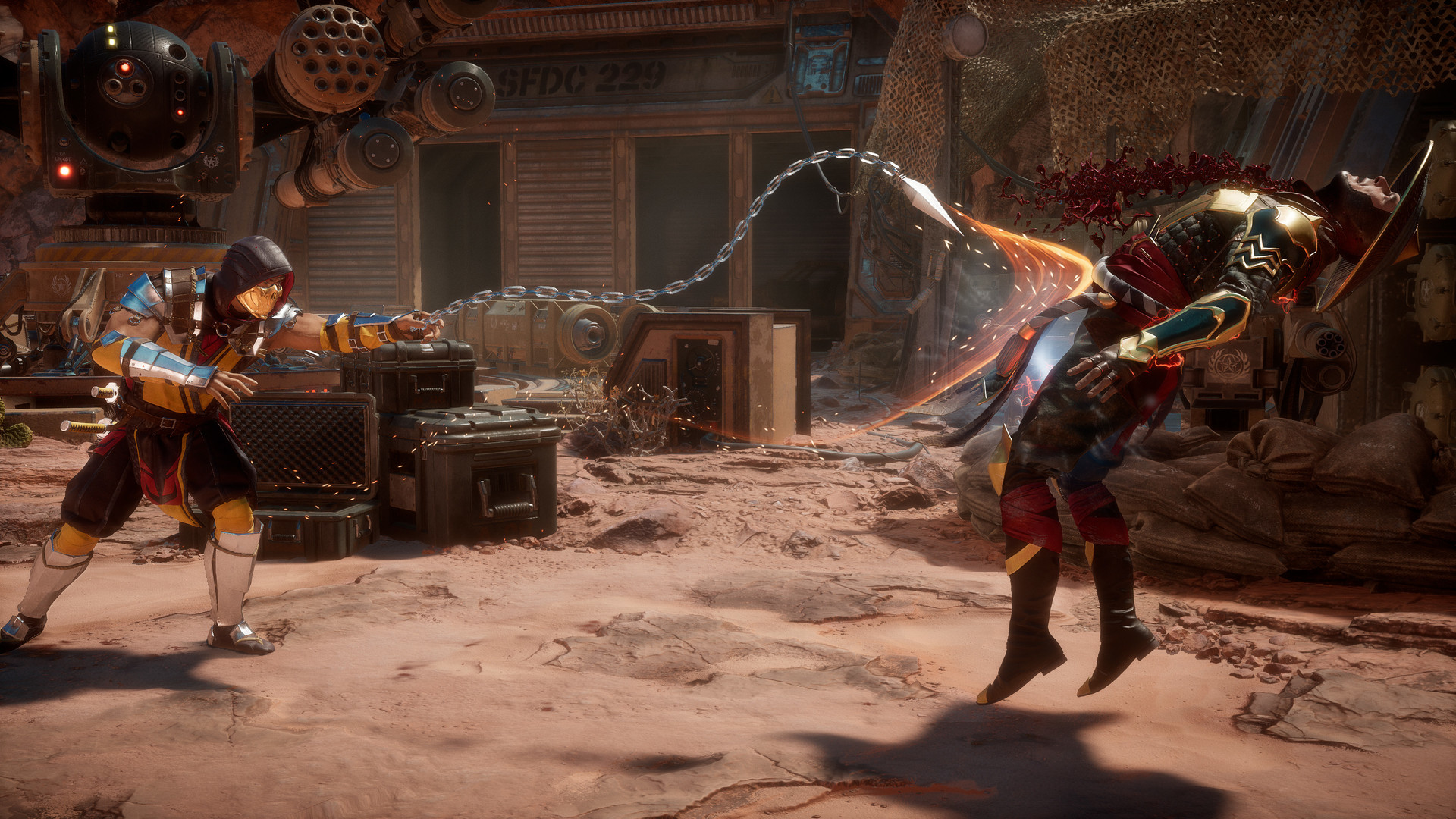
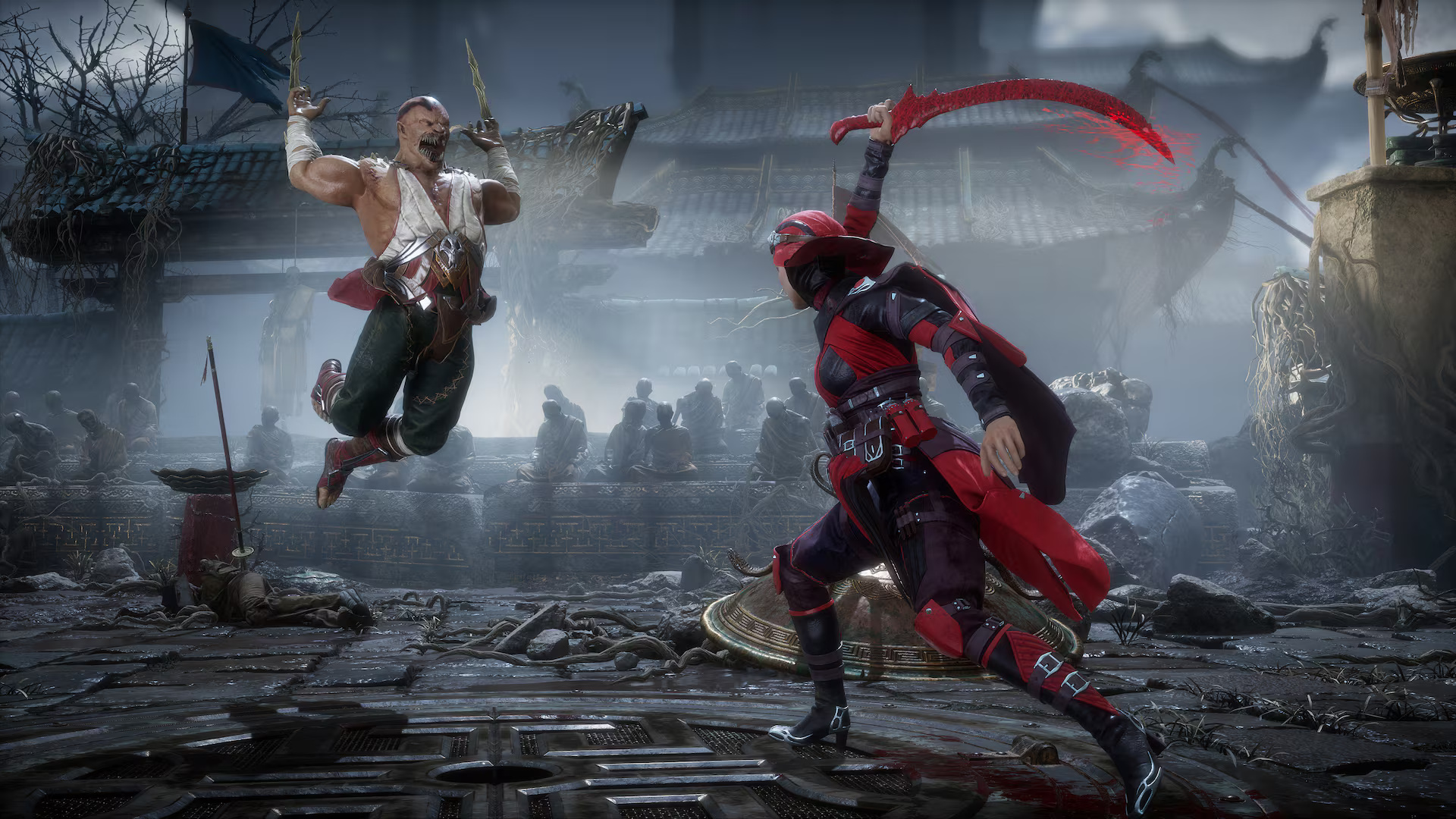
Mortal Kombat 11: Aftermath delivers a tightly focused fighting game experience built around one-on-one combat where precision and timing shape every encounter. Players control a roster of distinct fighters, each with their own move sets, special abilities, and combo chains. The core mechanics revolve around reading your opponent, reacting quickly, and executing well-timed attacks, blocks, and counters to gain the upper hand.
The main gameplay loop is straightforward but deeply engaging. You enter a match, test your strategy against an opponent, adapt to their patterns, and refine your approach in real time. Wins feel earned through skill and awareness, while losses push you to improve your execution and decision-making. Over time, players naturally develop a stronger understanding of spacing, frame timing, and character matchups, which adds depth to every fight.
Single-player modes, including cinematic story sequences and structured towers, provide a steady sense of progression. These modes introduce new challenges, modifiers, and AI opponents that gradually increase in difficulty, helping players sharpen their skills while unlocking cosmetic rewards and character variations. The gameplay evolves as you experiment with different fighters and learn how to adjust your playstyle.
Multiplayer is where the competitive edge truly shines. Online matches test your mastery against real players, creating dynamic and unpredictable fights that demand quick thinking and adaptability. Whether you prefer aggressive pressure or a more defensive, tactical approach, the game supports multiple playstyles.
As you spend more time with it, the combat reveals layers of strategy and control, turning each match into a mental and mechanical challenge that keeps pulling you back in.
Story & World
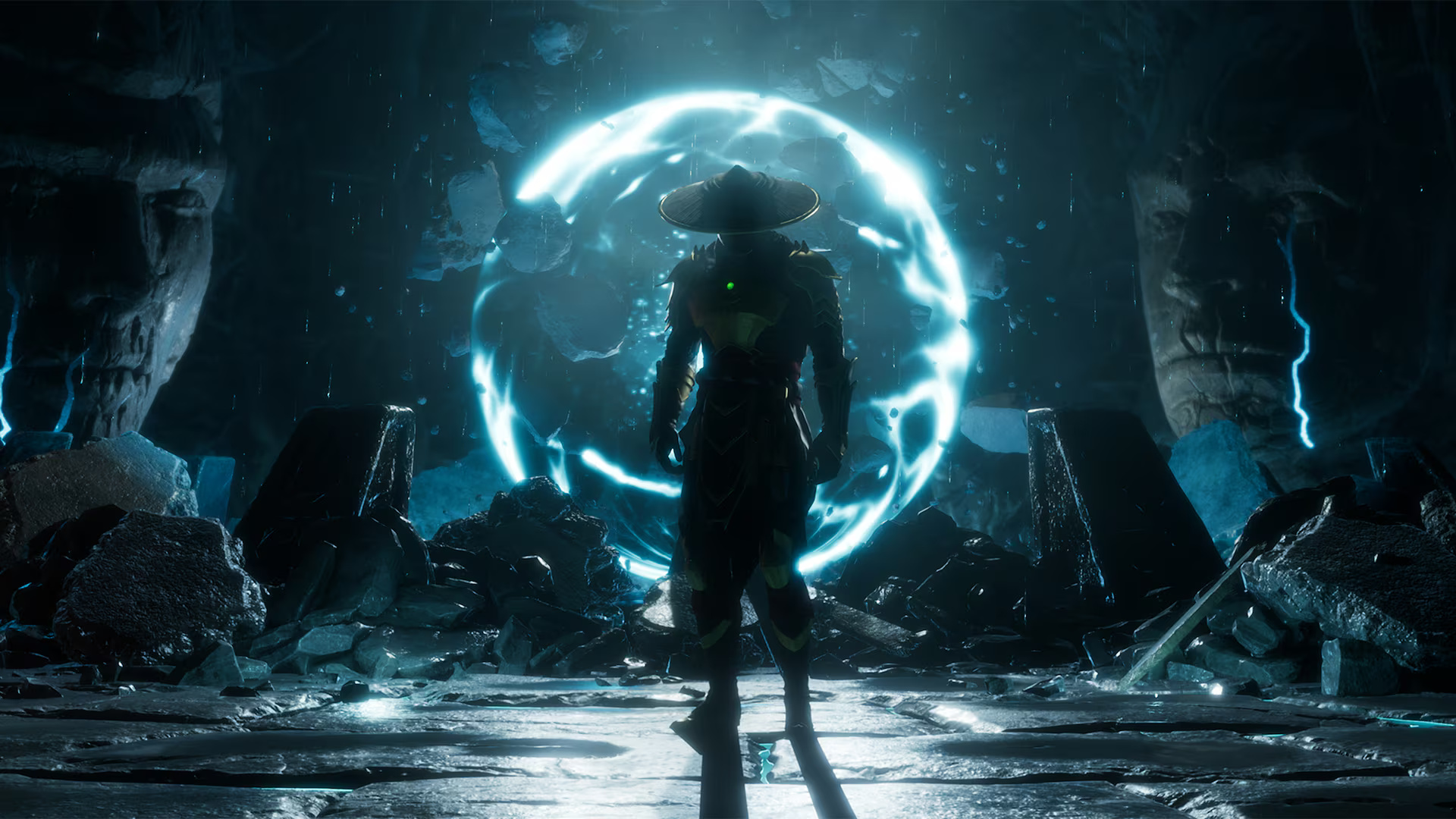
Mortal Kombat 11: Aftermath unfolds in a dark, mythological world where realms collide and time itself becomes a battleground. Rooted in a blend of martial arts fantasy and supernatural lore, the setting moves between war-torn landscapes, ancient temples, and otherworldly dimensions, each carrying its own history and tension. This is a universe shaped by centuries of conflict, where warriors, gods, and outcasts all fight for control over reality’s fragile balance.
At the heart of the story is a power struggle that threatens to rewrite time. The central conflict revolves around a dangerous attempt to reshape history, forcing familiar allies and enemies into uneasy partnerships. Nothing feels stable, as timelines shift and motivations blur, creating a narrative that constantly challenges expectations. The tone is intense and dramatic, driven by high-stakes decisions and the looming sense that every action could alter the future in irreversible ways.
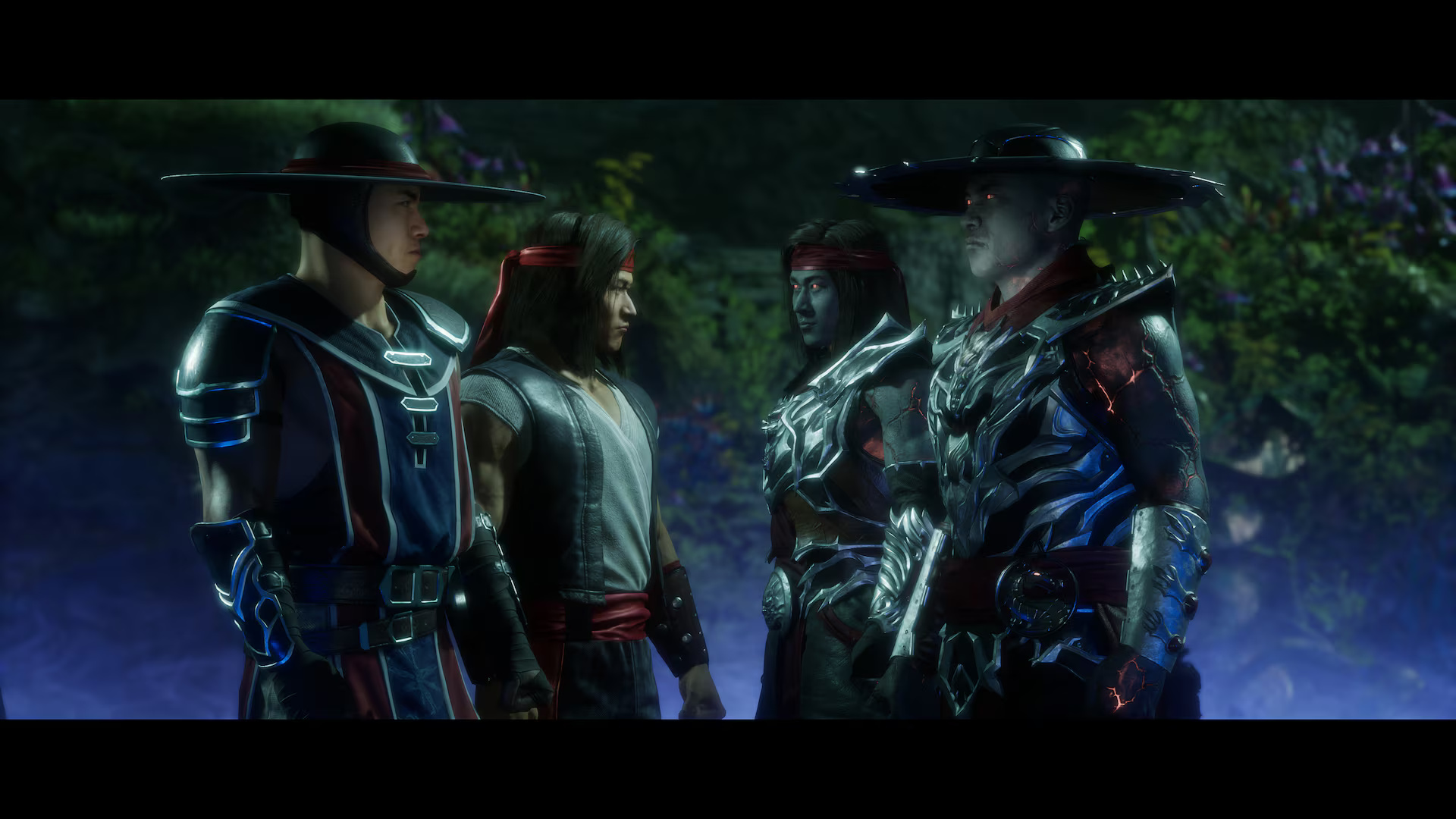
Players are placed alongside a cast of iconic fighters, not as a distant observer, but as an active participant in a cinematic journey. The story unfolds like an interactive action-adventure, where each character brings their own perspective, loyalties, and personal stakes into the conflict. Rather than focusing on a single hero, the narrative weaves multiple viewpoints together, offering a broader look at the world and the forces shaping it. This approach gives the universe a layered, lived-in quality, where every character feels like part of a larger, ongoing history.
What makes this world stand out is its fusion of grounded human emotion with larger-than-life mythology. You’ll encounter disciplined warriors bound by honor, ruthless rulers driven by conquest, and unpredictable figures whose goals remain unclear until the very end. The realms themselves feel distinct, from the structured order of Earthrealm to the chaotic and often brutal environments beyond it. Each location reflects the culture and values of those who inhabit it, adding depth to the overall setting.
There’s also a constant sense of tension running through the world. Alliances are fragile, and trust is often temporary. The narrative leans into moral ambiguity, allowing characters to make choices that feel necessary rather than heroic. This creates a story that isn’t just about good versus evil, but about survival, power, and the cost of changing fate.
Atmospherically, the game maintains a dark, cinematic tone that enhances its storytelling. Detailed environments, expressive character designs, and carefully directed scenes all contribute to a world that feels alive and reactive. Even in quieter moments, there’s an underlying sense that something larger is at play, waiting to unfold.
As the story progresses, the world reveals more of its complexity, drawing you deeper into its conflicts and relationships. It’s a setting that invites curiosity, not just for what happens next, but for how everything connects. By the time you settle into its rhythm, it becomes less about watching events unfold and more about experiencing a world where every moment carries weight and where the future is never certain.
Game Modes
Mortal Kombat 11: Aftermath offers a mix of game modes that cater to different playstyles, whether you’re here for a cinematic experience or competitive fighting. The story mode is the most narrative-driven option, designed for solo players who want a guided, movie-like journey. It blends fights with cutscenes, creating a steady pace that feels more like progressing through an interactive action story than a traditional arcade ladder.
For players who prefer structured challenges, the Towers of Time and classic arcade towers provide rotating objectives, modifiers, and AI opponents. These modes are ideal for casual and mid-level players looking to improve while unlocking rewards. The changing conditions keep matches unpredictable, encouraging you to experiment with different fighters and strategies rather than relying on a single approach.
Local and online multiplayer modes shift the focus toward competition. Local matches are perfect for quick sessions with friends, while online play connects you with a wider player base, offering ranked and casual matches. Ranked modes appeal to competitive players who enjoy climbing skill tiers, while casual matches provide a more relaxed environment to practice and explore new tactics without pressure.
There’s also a sense of long-term engagement across all modes. Whether you’re replaying towers for better rewards, testing your skills online, or revisiting the story, the variety ensures the experience doesn’t feel repetitive. Each mode serves a different purpose, but together they create a balanced ecosystem that supports both short play sessions and deeper, more dedicated play over time.
Visuals & Art Style
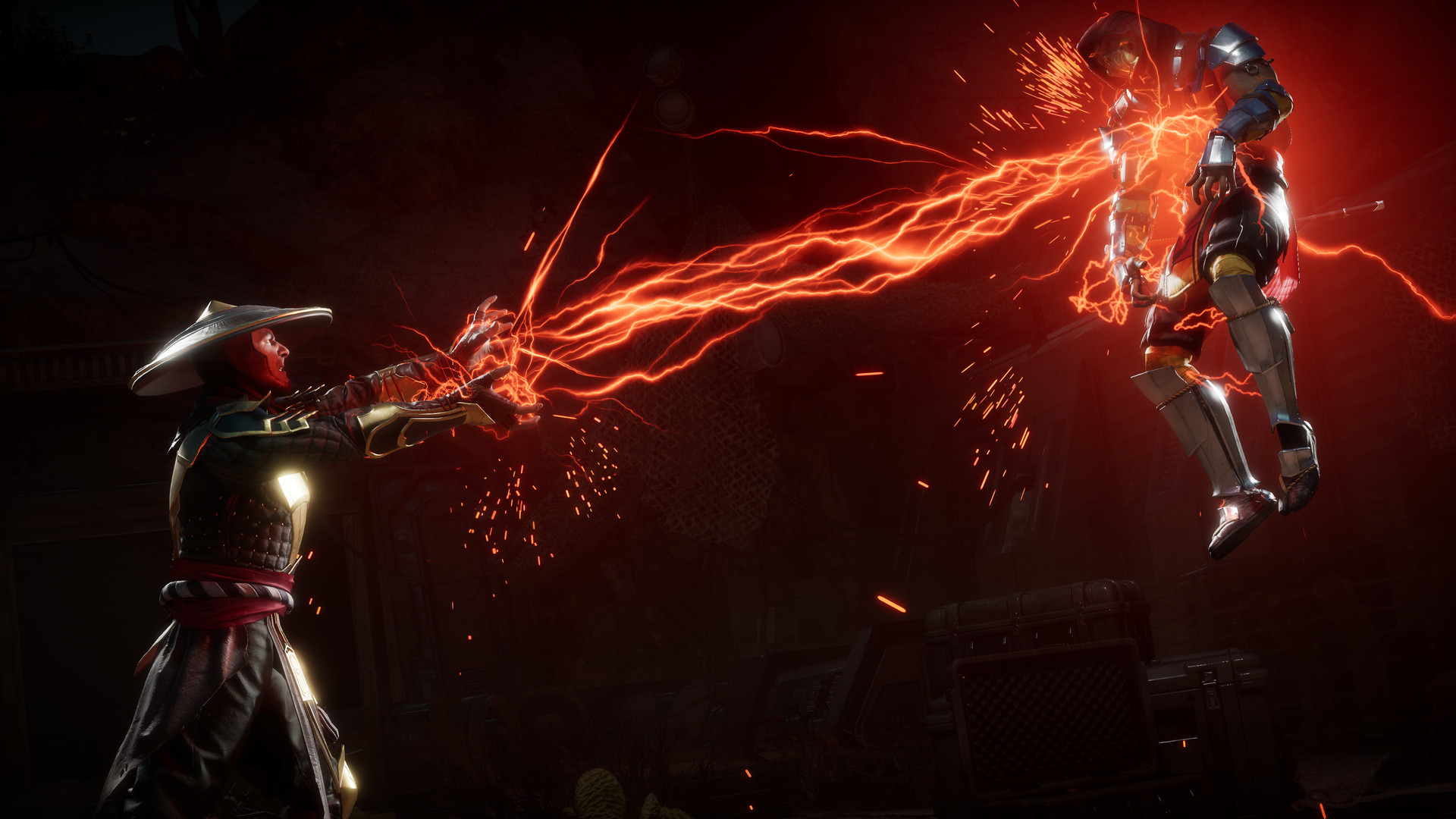
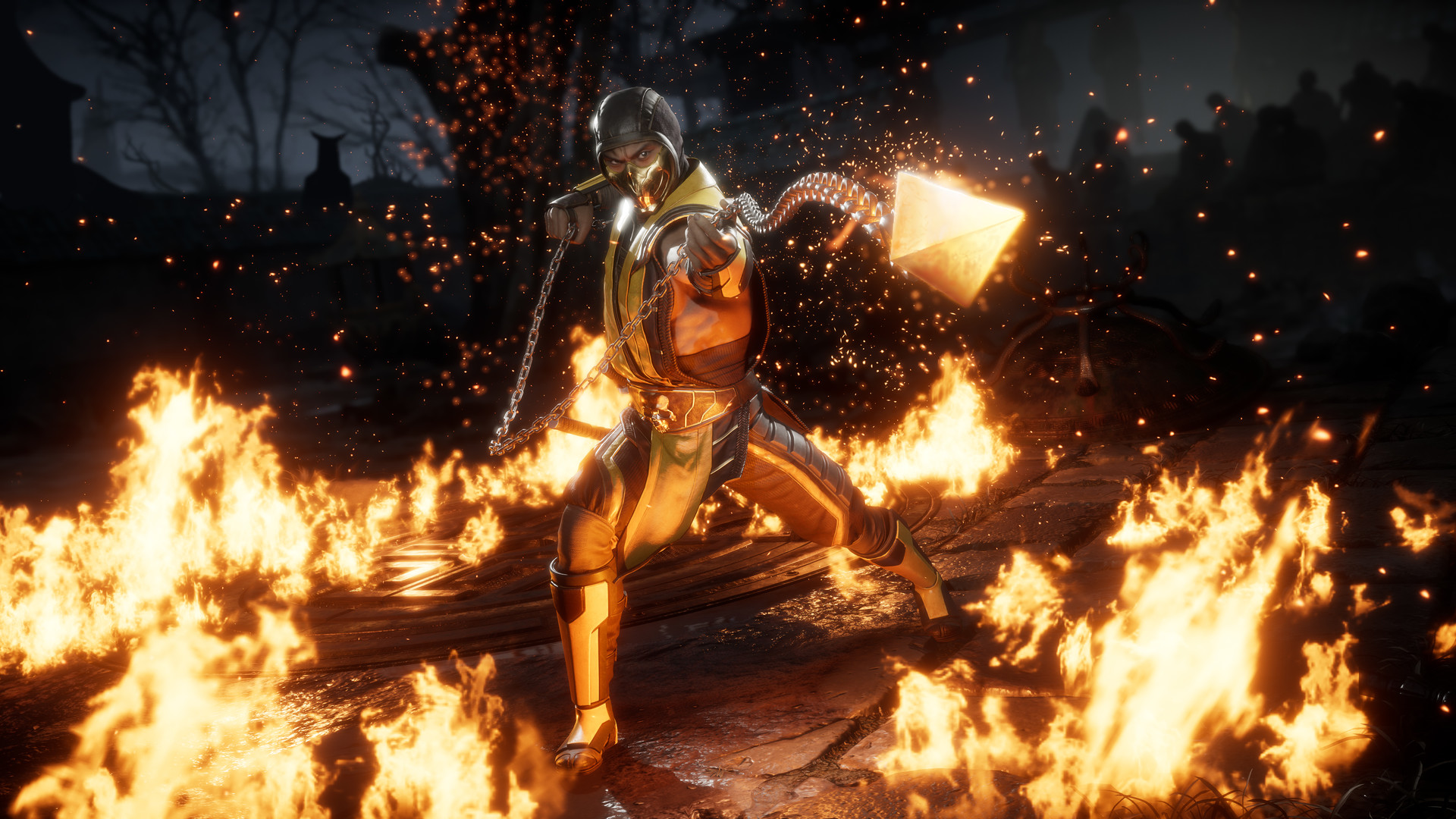
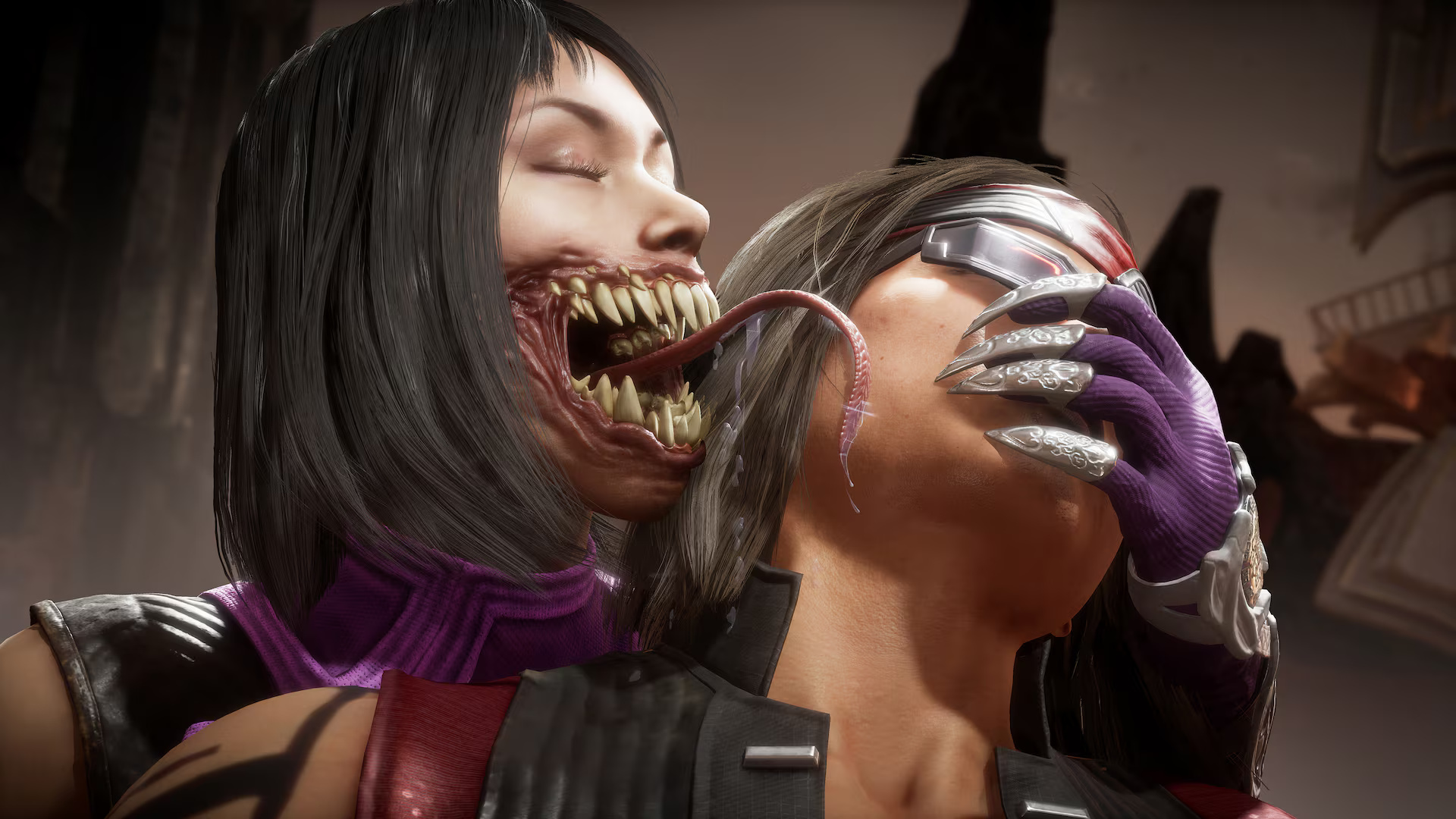
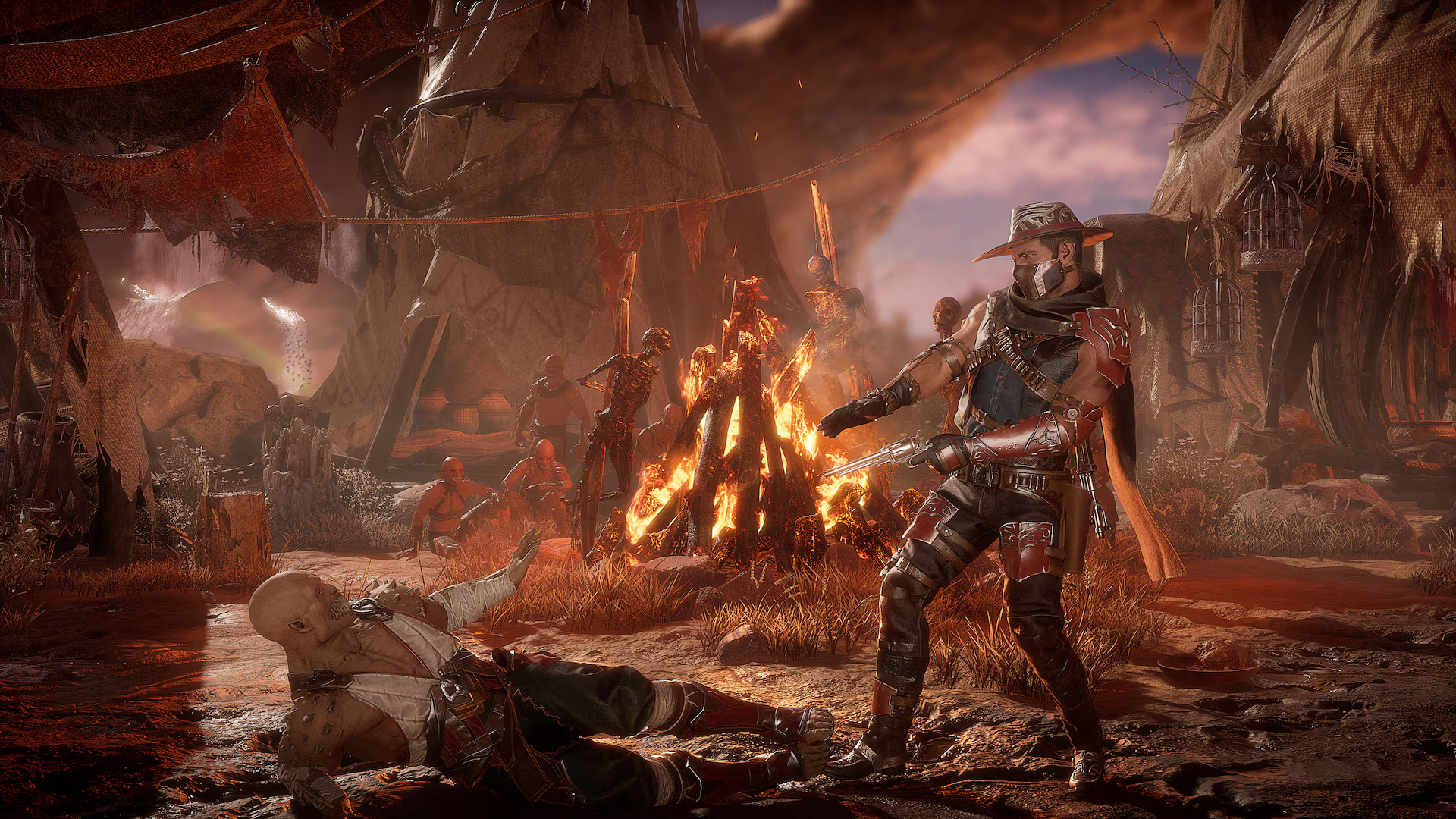
Mortal Kombat 11: Aftermath leans into a dark, cinematic visual style that blends realism with stylized brutality, creating a look that feels both grounded and theatrical. From the moment a fight begins, the game’s sharp lighting and high-contrast color palette set the tone deep shadows, glowing energy effects, and detailed textures bring every arena and character into focus.
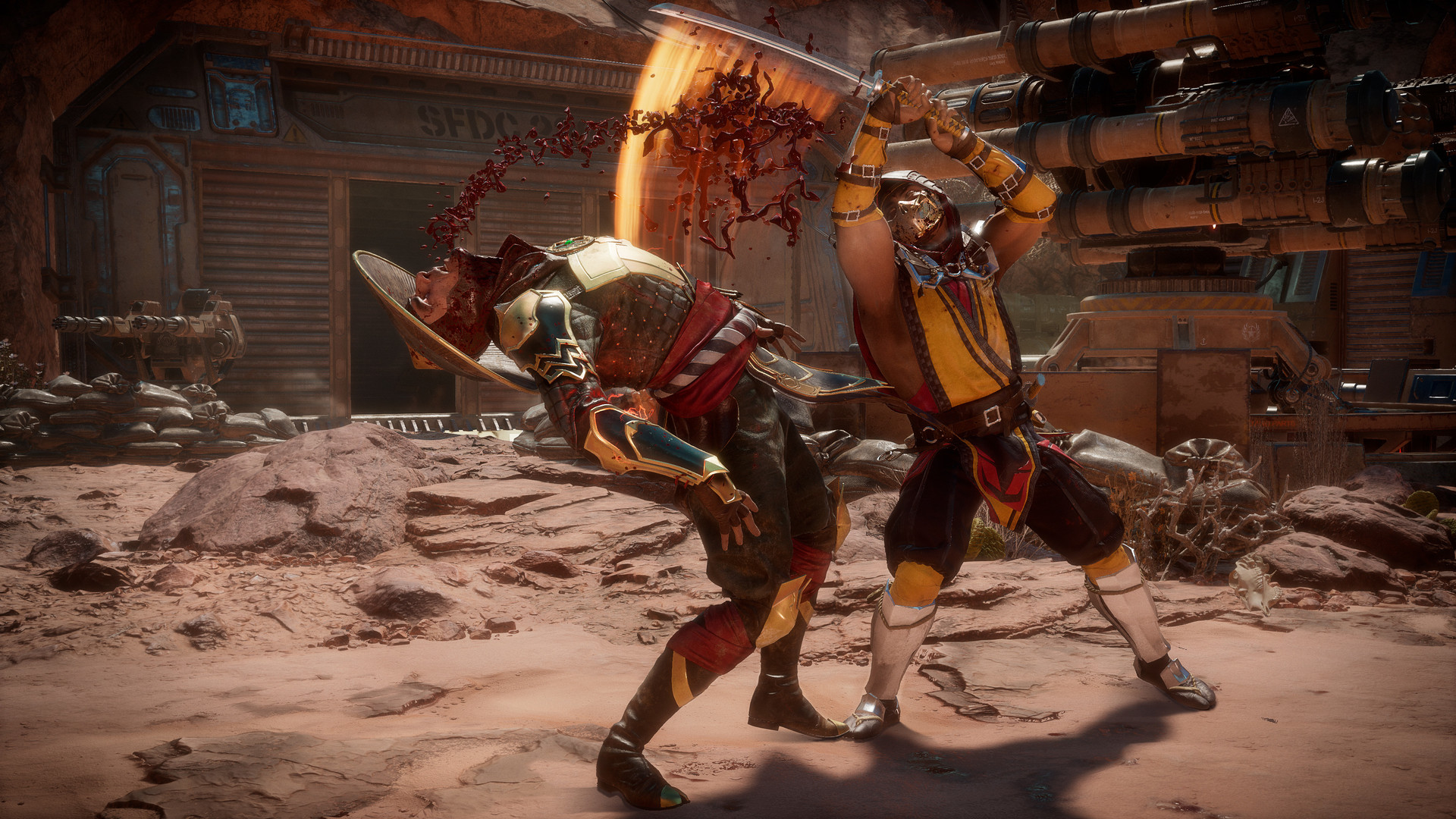
Character design is one of its strongest elements. Each fighter is crafted with a distinct identity, reflected in their costumes, expressions, and movement. Armor pieces, fabrics, and scars are rendered with fine detail, giving the roster a sense of history and personality. Animations are fluid yet impactful, with every punch, kick, and special move carrying visible weight. The motion feels deliberate, making even small interactions visually satisfying.
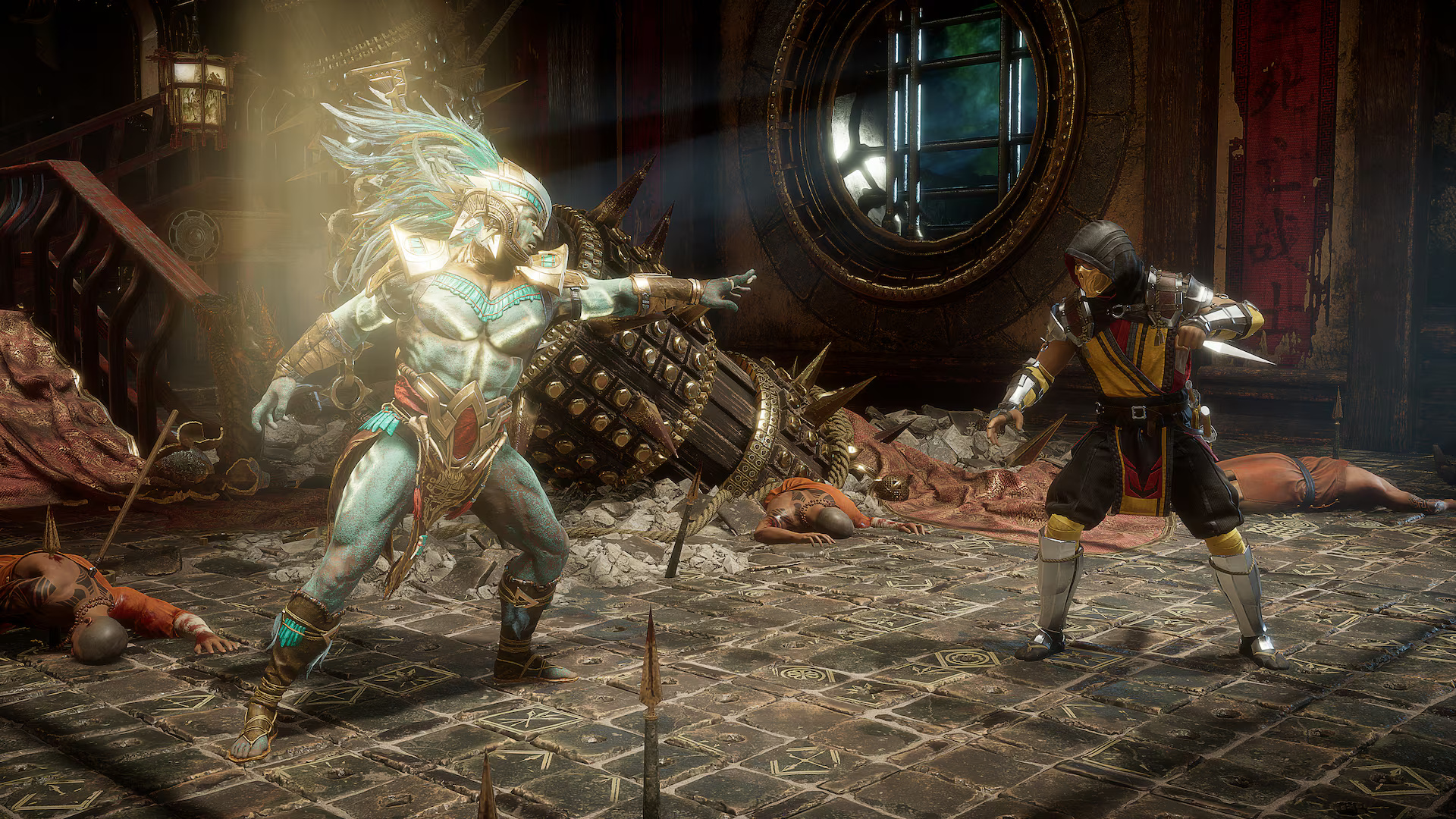
Environments shift between grounded locations and surreal, otherworldly spaces, but all share a consistent sense of atmosphere. Backgrounds are more than static backdrops they feel alive, with subtle movement, dynamic lighting, and layered depth that add to the immersion without distracting from the fight. Whether it’s a ruined battleground or a mystical realm, each stage reinforces the game’s tone of tension and conflict.
What truly stands out is how seamlessly the visuals transition between gameplay and cinematic sequences. Cutscenes maintain the same level of detail and artistic direction, making the entire experience feel cohesive. Visual effects, from sparks flying during clashes to the dramatic presentation of finishing moves, enhance the intensity without overwhelming the screen.
The result is a visual identity that feels polished, expressive, and consistent, drawing players into a world where every fight looks as intense as it feels.
Technical Requirements
Mortal Kombat 11: Aftermath is designed to run smoothly across a wide range of modern gaming setups, making it accessible whether you’re playing on a mid-range PC or a current-generation console. On PC, the game is available through platforms like Steam and the Epic Games Store, while console players can access it on PlayStation and Xbox systems, ensuring a consistent experience across ecosystems.
For PC users, the entry-level requirements are fairly reasonable for a modern fighting game. A system with a quad-core processor, 8GB of RAM, and a graphics card comparable to a GTX 1050 or Radeon equivalent can handle the game at lower settings with stable performance. To experience smoother frame rates, higher resolution textures, and improved visual effects, a more capable setup with 16GB of RAM and a GPU closer to a GTX 1660 or better is recommended. The game is well-optimized, maintaining consistent frame pacing during fights, which is especially important in a timing-focused combat system.
Performance scales effectively depending on your hardware. Lower-end systems can prioritize stable 60 FPS gameplay by adjusting settings, while higher-end rigs can push sharper visuals and faster load times without compromising responsiveness. On consoles, the experience is tuned for fluid gameplay, with quick transitions between matches and cinematic sequences that maintain visual consistency.
Control options are flexible and intuitive. Players can use keyboard and mouse on PC, though most will prefer a controller for tighter input precision. Full controller support is included, along with customizable button mapping to suit different playstyles. Accessibility features are thoughtfully integrated, including subtitles for all story content, adjustable difficulty settings, and visual cues that help players better read combat interactions.
Overall, the game delivers a stable, responsive experience across platforms, with enough customization and accessibility options to suit both newcomers and experienced players.
Who Is This Game For?
Mortal Kombat 11: Aftermath is best suited for players who enjoy skill-based combat and the satisfaction that comes from mastering a system over time. If you like fighting games where timing, precision, and decision-making define the experience, this will feel immediately engaging. It appeals strongly to competitive players who enjoy testing their abilities against others, whether locally or online, as well as those who take pride in learning character matchups and refining their strategy.
At the same time, it’s approachable enough for casual players who may not have deep experience with the genre. The controls are responsive and easy to understand at a basic level, making it possible to jump in and enjoy quick matches without feeling overwhelmed. Players who prefer single-player experiences will also find value here, especially if they enjoy cinematic storytelling and a structured progression that gradually introduces new challenges.
This game is a strong fit for those who enjoy replayability and steady improvement. The core gameplay loop encourages you to keep coming back, whether to experiment with different fighters, unlock content, or sharpen your skills in competitive modes. Players who enjoy a mix of solo and multiplayer experiences will appreciate the balance between narrative content and ongoing online play.
However, it may not be the best choice for players looking for open-world exploration, cooperative gameplay, or a more relaxed, low-pressure experience. The focus here is on one-on-one combat, and while it can be enjoyed casually, the deeper appeal lies in its competitive edge and mechanical depth.
For players who enjoy learning, adapting, and feeling a clear sense of growth with every match, it offers an experience that feels both challenging and rewarding over time.
FAQ
What kind of game is this?
It’s a competitive fighting game with a strong cinematic story component. Players engage in one-on-one battles using a roster of unique fighters, each with distinct abilities and playstyles.
Who is this game best suited for?
It works well for both casual players who want quick matches and story content, and competitive players who enjoy mastering mechanics, learning combos, and improving over time.
How does the gameplay feel?
The gameplay is focused on timing, strategy, and precision. Each match rewards smart decision-making, whether you’re attacking, defending, or adapting to your opponent’s style.
Does it have single-player content?
Yes, there’s a story-driven mode along with towers and challenges that provide structured offline gameplay and a sense of progression.
Is there multiplayer?
You can play both locally and online. Online modes include casual and ranked matches, giving players the option to compete seriously or just play for fun.
What platforms is it available on?
The game is available on PC, PlayStation, and Xbox platforms, with smooth performance across most modern systems.
Will it run on a mid-range PC?
In most cases, yes. A mid-range setup can handle the game well with adjusted settings, maintaining stable performance during fights.
Is there replay value?
There’s plenty. Between learning new fighters, improving skills, and playing online matches, it offers long-term engagement.
Do you need an internet connection?
Not for single-player modes, but online features and multiplayer require a stable connection.
Are there accessibility options?
Yes, including subtitles, adjustable difficulty, and customizable controls to suit different player preferences.
Operating System (OS)
Other Details

Languages



Reviews
There are no reviews yet.