

1 in stock
copies left1 in stock
Sold by: OMG Gamer






Delivery24/7
supportVerified
Sellers

Product Description
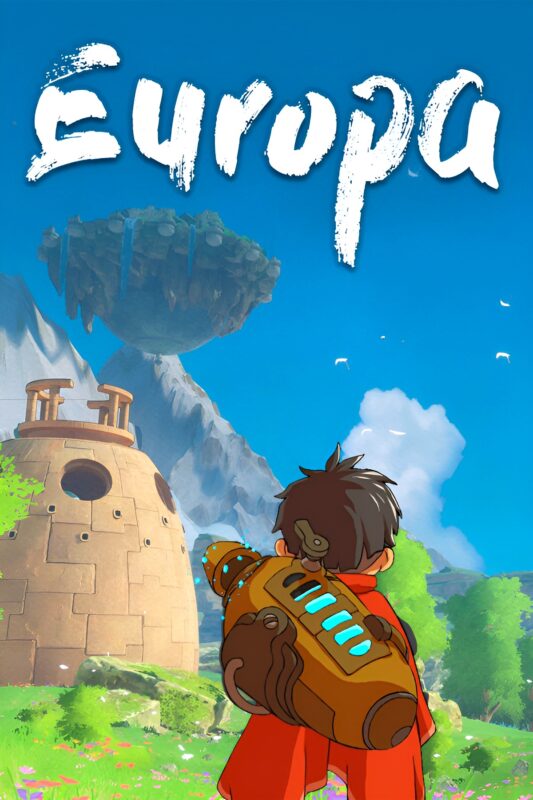
Europa PC Steam CD Key
Quck Intro
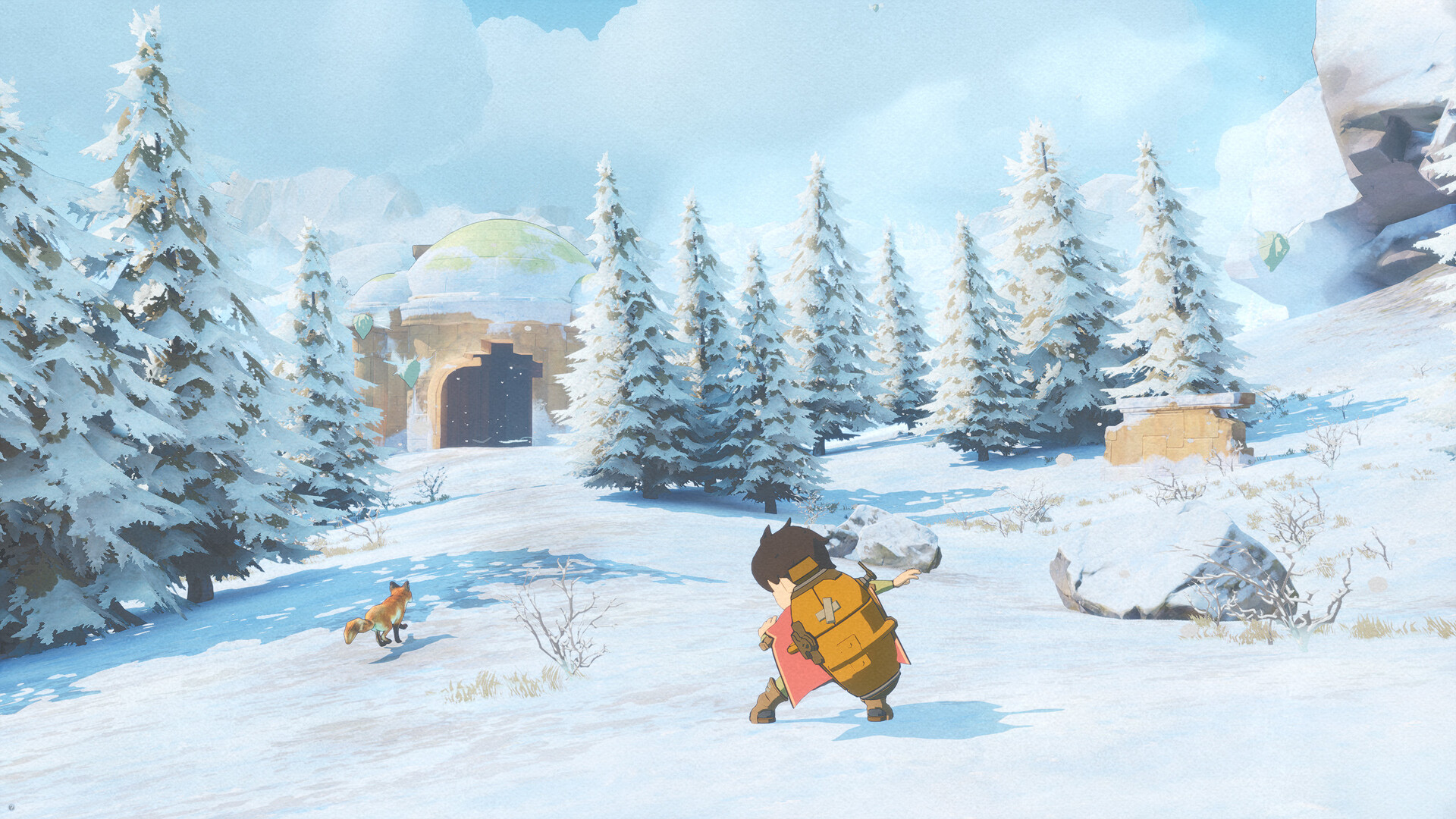
Europa is a calm, story-driven adventure game set on a beautifully reimagined version of Jupiter’s moon, where exploration and discovery sit at the heart of the experience. Players step into the role of an android named Zee, wandering through lush valleys, floating ruins, and ancient structures while slowly uncovering the mystery of a long-lost civilization. The gameplay focuses on smooth movement, light puzzle-solving, and environmental storytelling rather than combat, creating a relaxed exploration experience that encourages curiosity. As you glide through open landscapes and interact with remnants of the past, the world gradually reveals its emotional depth and quiet narrative. Designed for players who enjoy atmospheric adventure games with minimalist mechanics, Europa blends science fiction themes with a reflective tone that rewards observation and thoughtful exploration across its handcrafted environments.
About
Europa is a peaceful exploration adventure game set on a terraformed version of Jupiter’s moon, blending science fiction storytelling with meditative traversal and environmental discovery. Players take control of Zee, an android exploring a fractured yet breathtaking world filled with ancient ruins, floating landscapes, and remnants of a forgotten civilization. From the first moments, the game establishes a quiet, reflective tone where movement, observation, and curiosity define the experience rather than combat or pressure.
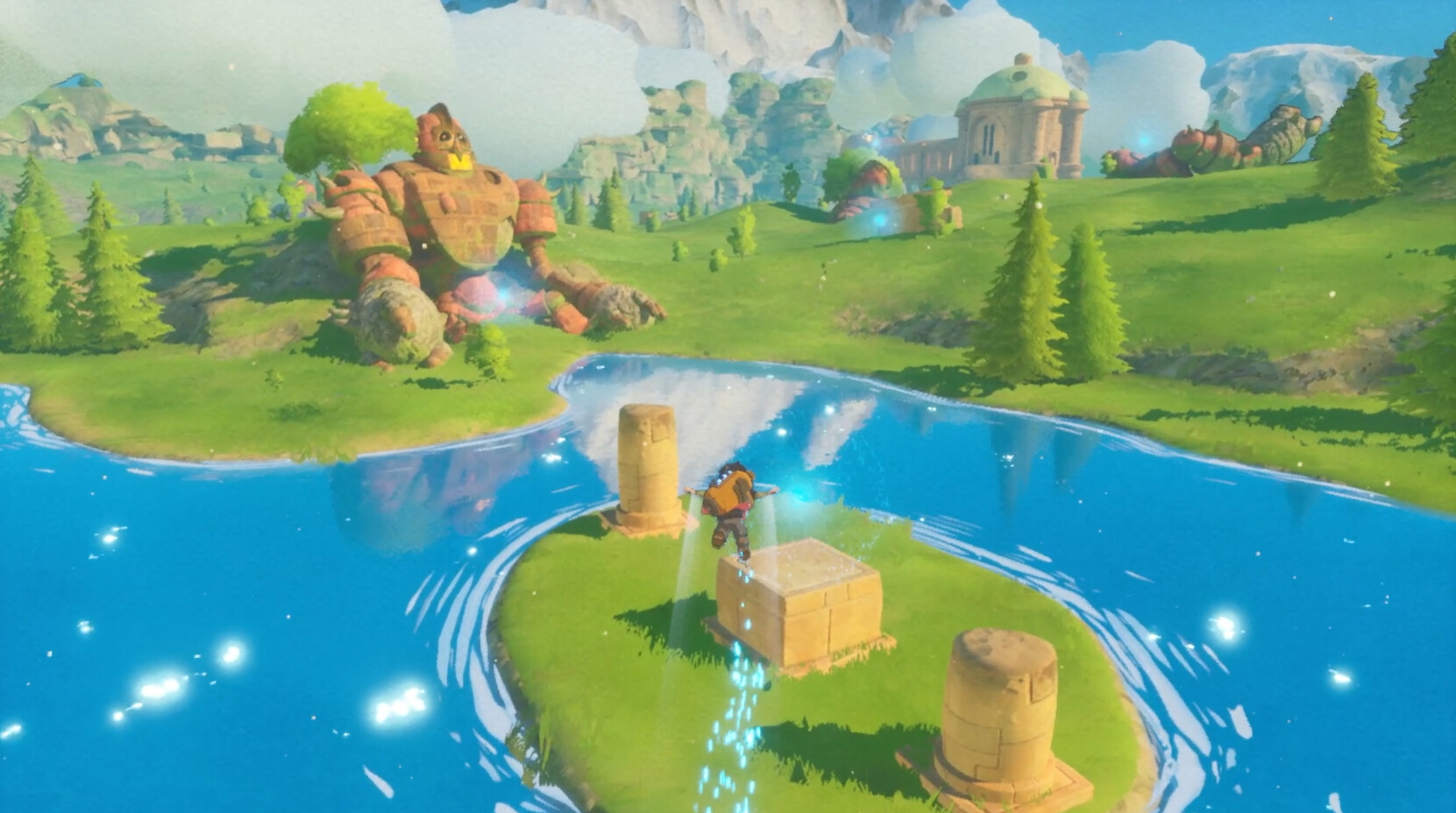
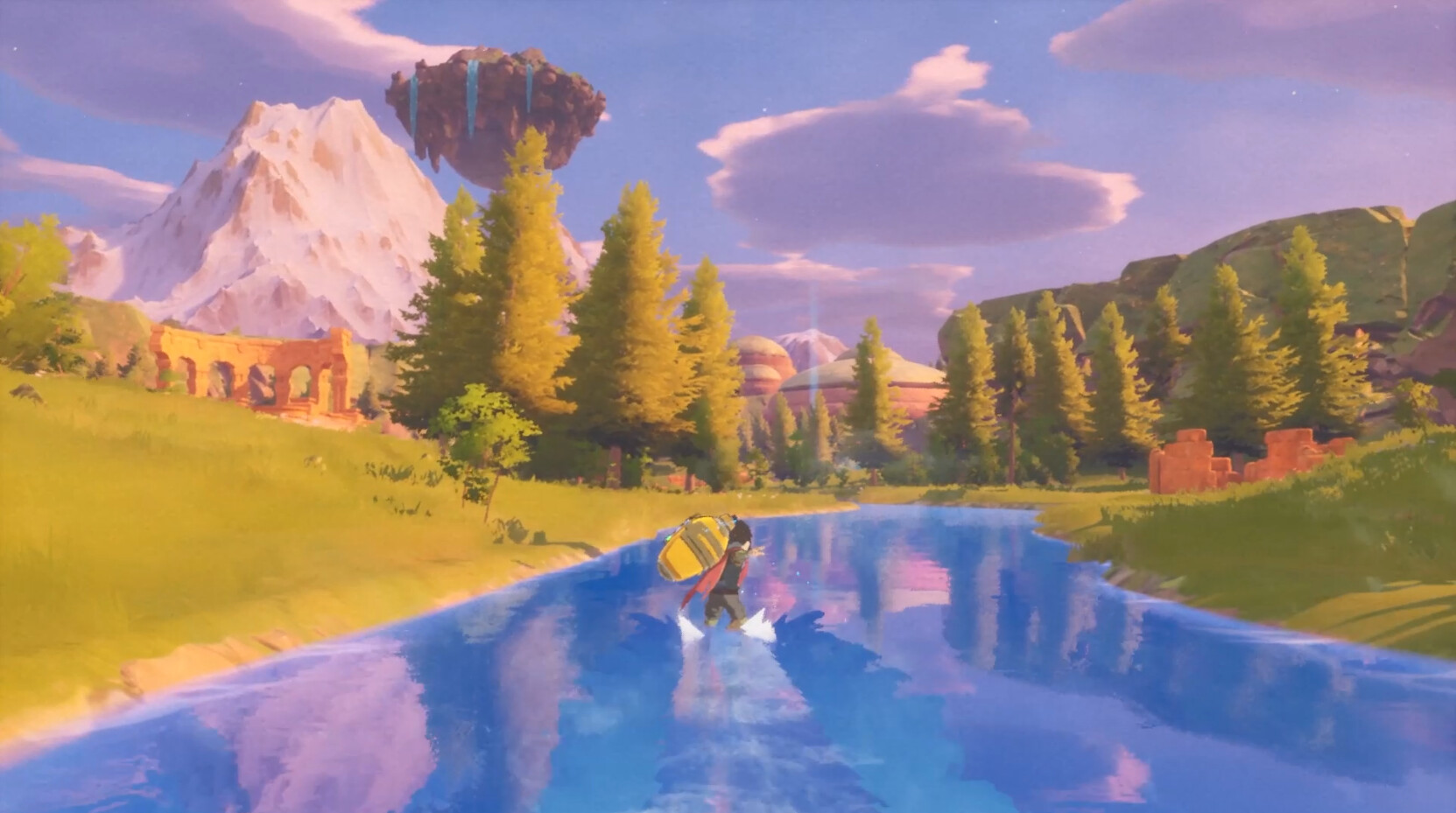
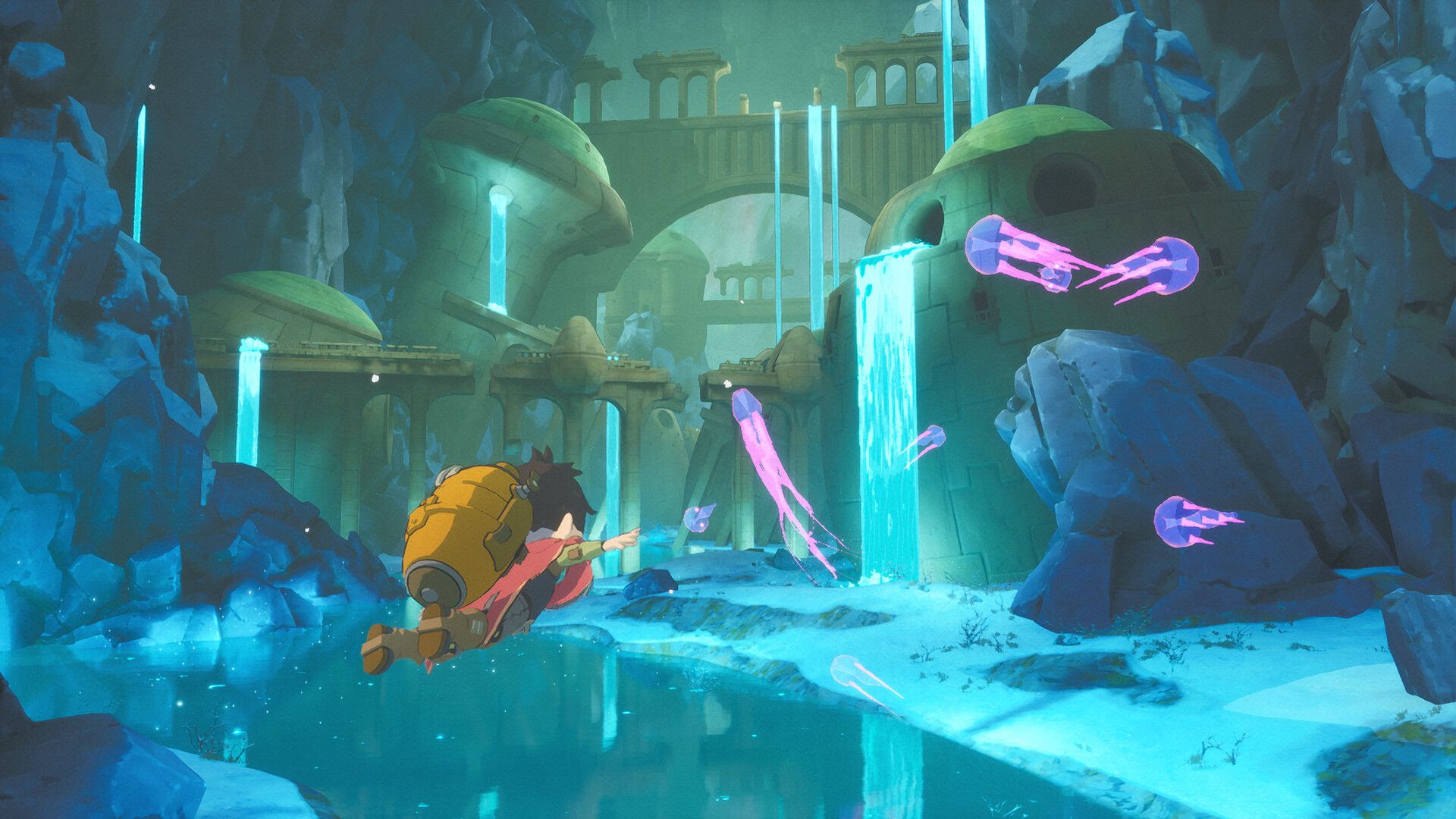
The core gameplay loop revolves around gliding through open biomes, solving light environmental puzzles, and uncovering fragments of narrative hidden within the landscape. Players build momentum through fluid movement mechanics, using abilities to soar across valleys, drift over lakes, and navigate ruins suspended in the sky. Progression is subtle, tied to exploration and discovery rather than traditional upgrades, encouraging players to follow their curiosity and piece together meaning at their own pace.
What sets Europa apart from other exploration or narrative-driven games is its focus on flow and atmosphere over challenge or complexity. Instead of overwhelming systems, it offers a calm, cohesive experience where the world itself feels like the main character. Every area is designed to evoke emotion through visual storytelling, sound, and environmental detail, making exploration feel personal and contemplative.
This is a game best suited for players who enjoy story-driven adventures, relaxed exploration, and atmospheric indie titles that prioritize mood and immersion over fast-paced action. Casual players looking for a stress-free experience will find it accessible, while fans of narrative exploration games will appreciate its quieter approach to storytelling and world-building.
As you move through Europa’s skies and forgotten spaces, the game gradually invites you to slow down and observe more closely. It is less about reaching an end and more about understanding a world that speaks in silence, encouraging you to lose yourself in its calm, haunting beauty and stay a little longer than you planned.
Key Features
Europa offers a calm, exploration-focused adventure experience set on a beautifully reimagined version of Jupiter’s moon. The core gameplay centers on fluid movement through open landscapes, where players glide, sprint, and soar across valleys, lakes, and floating ruins as Zee, an android searching for meaning in a lost world. The feeling of momentum is central, turning traversal itself into the main reward.
Exploration-driven progression replaces traditional combat systems. Instead of fighting enemies, players interact with the environment, uncover hidden paths, and solve light physics-based puzzles that unlock new areas. Each discovery gently expands the map and deepens the narrative without forcing a rigid path forward.
The world design blends sci-fi architecture with natural, dreamlike terrain. Ancient structures are scattered across serene biomes, encouraging slow observation and rewarding players who take time to explore off the beaten path. Environmental storytelling is used heavily, allowing the setting to communicate history and emotion without heavy dialogue or exposition.
Movement mechanics are designed for flow and accessibility, making it easy for casual players to enjoy while still offering depth through skillful traversal and momentum control. Players gradually learn to chain jumps, glide longer distances, and navigate vertical spaces with increasing confidence, creating a subtle sense of mastery over time.
Story progression unfolds through discovery rather than cutscenes. Fragments of memory, environmental clues, and quiet interactions build a reflective narrative about identity, loss, and connection. This approach supports multiple interpretations and encourages replaying areas to notice details previously missed.
Europa is designed for players who enjoy atmospheric indie games, narrative exploration experiences, and relaxing sci-fi adventures. It emphasizes freedom of movement, emotional world-building, and a slower pace that rewards curiosity. Every session feels open-ended, allowing players to choose how deeply they engage with its mysteries.
The experience is less about completing objectives and more about existing within a living, drifting world that gradually reveals itself through attention and exploration.
Gameplay
Europa is an exploration-focused action-adventure game where movement is the core of the experience. Players control Zee, an android navigating a vast, handcrafted world on a terraformed moon. From the moment you begin, gameplay revolves around fluid traversal, combining sprinting, gliding, and momentum-based movement to cross open landscapes, climb structures, and reach hidden areas that are not immediately visible on the map.
The main gameplay loop is built around exploration and discovery. Players travel through interconnected regions, uncover environmental puzzles, and collect fragments of information that gradually expand access to new zones. Instead of traditional combat systems, interaction is centered on observation, timing, and environmental problem-solving, making each area feel like a space to understand rather than conquer.
Progression is subtle and tied to movement mastery. As players advance, they gain better control over glide mechanics and aerial navigation, allowing longer distances, smoother transitions, and more creative routes through terrain. This creates a natural sense of growth without relying on heavy skill trees or complex inventory systems.
The world itself plays an active role in gameplay. Floating ruins, shifting terrain, and layered biomes encourage vertical exploration and alternative paths. Players are rewarded for curiosity, often finding shortcuts or hidden areas simply by experimenting with movement and perspective.
Europa is primarily a single-player experience designed for immersive, uninterrupted play. There is no competitive pressure, allowing players to engage at their own pace. This supports multiple playstyles, whether someone prefers slow, methodical exploration or faster, momentum-driven traversal across open areas.
Over time, the gameplay evolves through familiarity and environmental understanding rather than traditional difficulty spikes. Early sections focus on learning movement basics, while later areas challenge players to combine mechanics in more fluid and efficient ways. Replayability comes from revisiting zones with improved control and discovering routes that were previously inaccessible.
Overall, Europa’s gameplay emphasizes open-world exploration, atmospheric traversal mechanics, and a calm sense of progression that keeps players engaged through movement, curiosity, and discovery rather than constant challenge or combat pressure.
Story & World
Europa is set on a quietly transformed version of Jupiter’s moon, a place where nature, memory, and forgotten technology exist in uneasy harmony. Once imagined as a scientific outpost for humanity’s expansion into deep space, this world has evolved into something more uncertain and reflective. Vast regions of crystalline lakes, floating landmasses, and overgrown ruins stretch across the horizon, hinting at a civilization that attempted to shape this environment and then slowly vanished from it.
At the center of the story is Zee, an android who awakens with limited understanding of their purpose and an instinct to move forward through a world that no longer explains itself. There is no clear authority guiding the journey, no dominant faction issuing commands, and no traditional sense of survival pressure. Instead, the narrative unfolds through fragments of observation, environmental traces, and subtle signals left behind in abandoned structures. The world does not tell its story directly; it reveals it in layers, asking the player to interpret what remains.
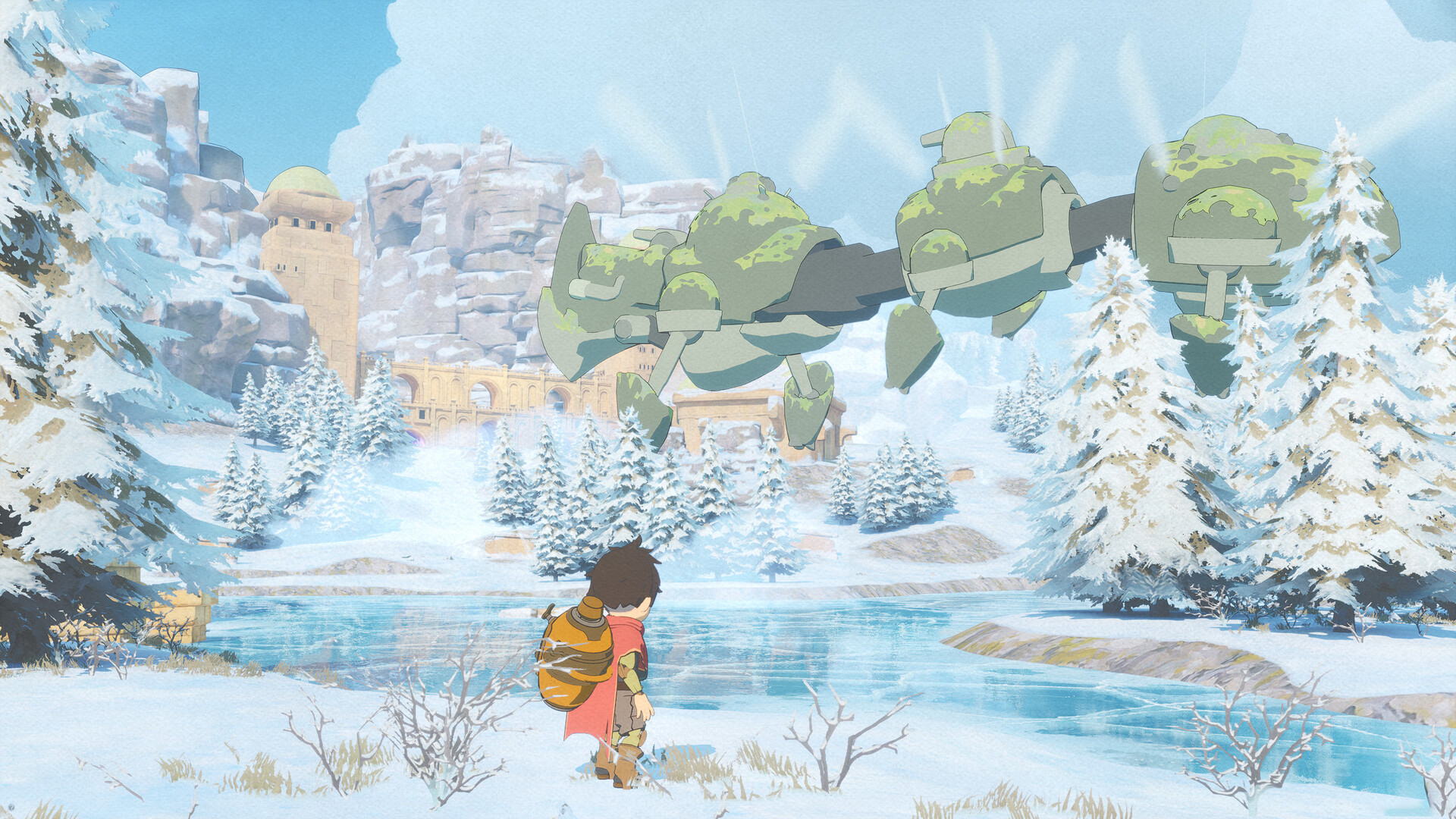
Europa’s setting feels both futuristic and ancient at the same time. Towering research facilities sit half-submerged in natural growth, while quiet valleys hide remnants of failed settlements and experimental architecture. Some regions suggest scientific ambition, others feel almost spiritual in their silence, as if the landscape itself has absorbed the history of those who once lived and worked here. The absence of visible civilization is as meaningful as its presence, creating a sense of mystery that persists throughout exploration.
Rather than focusing on a traditional central conflict, the story builds around questions of identity, memory, and belonging. Zee’s journey is not driven by orders or missions in the conventional sense, but by a gradual attempt to understand what this world once was and what role, if any, remains for them within it. As the player moves through different regions, the environment responds with subtle narrative cues that suggest multiple interpretations of past events, leaving space for personal reflection.
There are no clearly defined factions shaping the world through direct interaction, yet traces of conflicting philosophies can still be found embedded in the architecture and design of the land. Some areas feel engineered with precision and control, while others seem intentionally left to evolve on their own, suggesting disagreement between those who once shaped Europa’s development. These contrasts give the world a layered sense of history without relying on exposition or direct storytelling.
The atmosphere is one of quiet scale and emotional distance, where even the most expansive vistas feel personal when experienced through exploration. Weather shifts, light changes, and environmental soundscapes all contribute to a sense of living space that exists independently of the player, reinforcing the idea that this world continues to breathe even when unobserved.
As Zee travels deeper, Europa becomes less about uncovering a single truth and more about understanding the fragments that remain. The story invites interpretation rather than certainty, encouraging players to connect meaning through observation and presence. It is a world defined by absence as much as creation, where every step forward feels like a conversation with something that no longer speaks directly, but still remembers being heard.
Game Modes
Europa is primarily built around a single-player exploration experience, designed to let players move through its world at their own pace without pressure or competition. In this mode, the focus is on atmospheric exploration, environmental storytelling, and fluid traversal across open landscapes. Players can freely glide through valleys, climb ancient structures, and uncover hidden paths that gradually reveal the history of the world. This is the core way most players will experience Europa, and it emphasizes calm progression and discovery over structured objectives.
Alongside the main journey, the game includes a more reflective exploration mode that allows players to revisit previously discovered regions with unlocked movement abilities. This creates a sense of evolving mastery, as areas that once felt difficult to navigate become open playgrounds for experimentation and efficient traversal. It encourages replaying environments not for repetition, but for new perspectives and alternate routes.
Europa also offers a focused challenge-style experience built around movement and navigation. These sequences are designed to test how well players understand momentum, timing, and terrain interaction. Instead of combat or traditional fail states, the emphasis remains on flow and precision, making it suitable for players who enjoy skill-based traversal without heavy mechanical complexity.
There is no competitive multiplayer or co-op structure, keeping the experience intentionally personal. This design choice supports immersion and allows the world’s tone and pacing to remain uninterrupted. Every player moves through the same environments, but the way they interpret and engage with them can feel entirely individual based on curiosity and playstyle.
Across all modes, the experience stays consistent in its identity as an atmospheric open-world exploration game. Whether players are discovering the world for the first time, revisiting areas with improved movement skills, or engaging in optional traversal challenges, Europa maintains a steady focus on freedom, calm pacing, and environmental discovery that naturally encourages return play without relying on traditional game mode complexity.
Visuals & Art Style
Europa presents a visual identity that feels quiet, deliberate, and deeply atmospheric, shaped around the idea of exploring a world that is both unfamiliar and strangely intimate. From the moment players step into its environments, the game leans into a soft, dreamlike interpretation of science fiction, where natural landscapes and forgotten technology blend into a single, continuous visual language.
The art style uses a restrained but expressive color palette, often shifting between cool blues, muted greens, and warm golden light that filters through open skies and reflective surfaces. This balance gives each region a distinct emotional tone without breaking the overall cohesion of the world. Light plays a central role in how spaces are perceived, with sunlit horizons creating a sense of openness while shadowed interiors and ruins introduce quiet contrast and depth.
Environments are designed with a strong sense of verticality and scale. Floating landmasses, fractured architecture, and long stretches of untouched terrain encourage players to look upward and outward as much as forward. Rather than overwhelming detail, the world relies on clarity and composition, allowing key landmarks and environmental cues to stand out naturally as players move through space.
Character design remains minimal and purposeful, with Zee’s form reflecting the game’s broader visual philosophy. Clean silhouettes and subtle animation work together to express emotion without heavy dialogue or visual noise. Movement feels light and continuous, reinforcing the idea that the character is part of the environment rather than separate from it.
Environmental details, from drifting particles in the air to the gentle motion of distant structures, add a sense of life without disrupting the calm pacing. These small visual touches make the world feel active even in stillness, supporting exploration as a slow, observational experience.
What makes Europa’s visuals stand out is how consistently they serve the tone of the game. Every visual decision reinforces a feeling of solitude, discovery, and quiet wonder. Instead of relying on spectacle, the art direction builds immersion through harmony between space, light, and movement, creating a world that feels like it is gently waiting to be understood rather than performed.
Technical Requirements
Europa is available on PC, PlayStation, Xbox, and Nintendo Switch, with a design that scales smoothly across a wide range of hardware. On PC, the game supports both Windows and Linux environments, making it accessible to a broader player base. The experience is built to run comfortably on mid-range systems while still taking advantage of high-end hardware for enhanced visual clarity and smoother frame delivery.
For minimum PC requirements, players can expect stable performance on systems with an entry-level modern CPU, 8 GB RAM, and a dedicated GPU capable of handling DirectX 11 or Vulkan-based rendering. This setup is aimed at delivering a consistent 30–60 FPS experience at lower settings and resolutions. Recommended specifications include a mid-tier multi-core processor, 16 GB RAM, and a recent-generation GPU, allowing for higher resolution output, improved draw distances, and more stable frame rates during fast traversal across large environments.
On supported platforms, Europa is optimized for both console and PC play, with adaptive performance scaling that adjusts lighting, shadows, and environmental density depending on hardware capability. Load times are kept minimal through efficient asset streaming, helping players transition between regions without long interruptions.
Controls are fully supported across keyboard and mouse as well as modern controllers. Keyboard and mouse offer precise movement input for players who prefer accuracy during traversal, while controller support is finely tuned for smoother analog movement and cinematic flow. Full remapping options allow players to customize layouts based on personal comfort.
Accessibility is a core part of the experience, with adjustable subtitle options, scalable UI, and multiple visual settings designed to support different play styles and needs. Players can also modify camera sensitivity, motion intensity, and audio balance to create a more comfortable experience. Additional assistance options help reduce motion strain and improve readability without affecting core gameplay.
Overall, Europa is built to perform reliably across platforms while maintaining its atmospheric presentation. Whether played on a handheld device or a high-end gaming PC, the experience remains focused on smooth exploration, stable performance, and accessible design that ensures players can fully engage with its world without technical barriers.
Who Is This Game For?
Europa is best suited for players who enjoy slow, atmospheric exploration games where movement, discovery, and mood matter more than challenge or competition. If you are someone who likes open-world experiences but prefers a calmer pace, this game naturally fits that mindset. It leans heavily into single-player exploration gameplay, where curiosity drives progress and every new area feels like a quiet reveal rather than a checklist of objectives.
Players who appreciate narrative-driven journeys without heavy dialogue or constant exposition will find a lot to connect with here. The story unfolds through environmental details and subtle storytelling rather than direct instruction, so it appeals to those who enjoy interpreting worlds on their own terms. If you like games where the setting feels like the main character, Europa delivers that kind of experience consistently.
It also works well for casual players who want something relaxing to unwind with. The movement system is fluid and accessible, making it easy to pick up without needing advanced mechanics or high-pressure reactions. At the same time, players who enjoy mastering traversal systems and finding optimal routes through open environments will still find depth in how movement evolves over time.
That said, Europa is not designed for players looking for intense combat systems, competitive multiplayer modes, or constant action-driven gameplay loops. There is no traditional PvP focus or fast-paced difficulty scaling, and progression is intentionally subtle rather than heavily reward-driven. Players who prefer structured missions, complex skill trees, or high-stakes challenge cycles may find the experience too minimal or reflective.
Instead, the game is ideal for those drawn to atmospheric sci-fi worlds, exploration-focused gameplay, and titles that prioritize emotional tone over mechanical complexity. It rewards patience, observation, and a willingness to move through spaces without rushing.
In the end, Europa is for players who enjoy games that feel more like a place to exist in rather than a system to beat. It respects your time by not overwhelming it, and it asks for attention rather than pressure, making it a strong fit for those seeking a thoughtful, immersive, and low-stress gaming experience.
FAQ
What kind of game is Europa?
Europa is a calm, exploration-focused action-adventure game set in a sci-fi world on a terraformed moon. It focuses on movement, atmosphere, and environmental storytelling rather than combat-heavy gameplay or fast-paced action.
Is Europa single-player or multiplayer?
The game is designed as a single-player experience. It focuses on personal exploration and narrative discovery, so there are no multiplayer or co-op modes.
What is the core gameplay like?
Players spend most of their time exploring open environments, gliding through landscapes, solving light environmental puzzles, and uncovering fragments of story hidden in the world. Movement and traversal are central to the experience.
What platforms is Europa available on?
Europa is available on PC, PlayStation, Xbox, and Nintendo Switch. It is also optimized to run across a wide range of hardware, including mid-range and high-end systems.
What are the system requirements like?
On PC, the game is built to run on modest setups with stable performance at lower settings, while stronger systems can deliver higher resolutions and smoother frame rates. Linux support is also included alongside Windows.
How long is the game and does it have replay value?
Playtime depends on how much you explore, but the experience is designed to encourage slow discovery rather than rushing. Replay value comes from revisiting areas, finding missed details, and experimenting with movement routes.
Is Europa suitable for casual players?
Yes, it is very accessible. There is no combat pressure or complex systems, making it ideal for casual players who want a relaxed, immersive experience. More experienced players can still enjoy mastering movement and exploration efficiency.
Does Europa require an internet connection?
No, it can be played fully offline as a single-player game.
Are there accessibility options?
The game includes subtitle support, adjustable visual and audio settings, and control remapping options to improve comfort and accessibility for different play styles.
FAQ
Operating System (OS)
Other Details

Languages




Reviews
There are no reviews yet.