

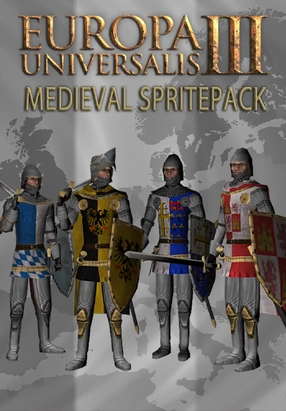
Europa Universalis III – Medieval SpritePack DLC Steam CD Key
1 in stock
copies left1 in stock
Sold by: OMG Gamer






Delivery24/7
supportVerified
Sellers

Product Description
Europa Universalis III – Medieval SpritePack DLC Steam CD Key
Quck Intro
Europa Universalis III – Medieval SpritePack DLC is a visual expansion designed for fans of deep grand strategy and historical simulation gameplay. Built for players who enjoy shaping the course of medieval history, this DLC enhances the base experience with detailed unit sprites that reflect the atmosphere of the Middle Ages. As you manage nations, expand empires, and navigate diplomacy, warfare, and economic systems, the updated visuals bring greater identity to armies on the battlefield without altering core mechanics. Developed for the PC version of Europa Universalis III by Paradox Interactive, it focuses on immersion through presentation rather than gameplay changes. This pack is ideal for players who appreciate historical accuracy in visuals while engaging in complex strategy systems, making each campaign feel more grounded, personal, and visually distinctive as your empire evolves across centuries of dynamic political history.
About
Europa Universalis III – Medieval SpritePack DLC is a visual enhancement for the classic grand strategy game that lets players experience medieval-era world building with greater atmospheric detail. Set within the historically rich sandbox of Europa Universalis III, this DLC does not change the core mechanics but refreshes how armies appear on the map, giving battles a more grounded and era-authentic look. It is designed for players who enjoy long-form strategy gameplay where history is shaped through decisions, diplomacy, and expansion across centuries.
At its core, the experience of Europa Universalis III is about guiding a nation from the late Middle Ages into the early modern world. Players spend their time managing diplomacy, trade routes, warfare, exploration, and internal stability while reacting to shifting political landscapes. Every campaign becomes a slow unfolding narrative driven by player choice, where alliances can rise or collapse and borders constantly evolve based on strategic decisions.
What sets this SpritePack DLC apart is its focus on immersion through visual identity. While many strategy games rely purely on systems and numbers, this pack adds personality to the battlefield, making units feel more historically distinct without altering gameplay balance. It enhances the sense of presence rather than complexity, which is especially appealing for players who appreciate authenticity in historical strategy titles.
This experience is best suited for thoughtful strategy fans, history enthusiasts, and players who enjoy slow-burn progression rather than fast-paced action. Whether you are building a trade empire, surviving medieval conflicts, or carefully expanding influence across regions, the game rewards patience, planning, and long-term thinking.
For those who enjoy deep grand strategy with historical grounding, this DLC adds a subtle but meaningful layer of visual richness that makes each campaign feel more alive, drawing you further into a world shaped entirely by your decisions.
Key Features
Set within the deep historical sandbox of Europa Universalis III, the Medieval SpritePack DLC enhances the visual identity of armies without changing the core grand strategy systems. It is designed for players who enjoy long-term empire building, where every decision influences centuries of political and territorial change across a living medieval world.
Players continue to engage with the series’ signature gameplay loop of managing nations through diplomacy, warfare, trade, and internal development. While the mechanics remain focused on strategy and planning, this DLC improves how conflicts visually unfold on the map, making each battle feel more grounded in its historical setting.
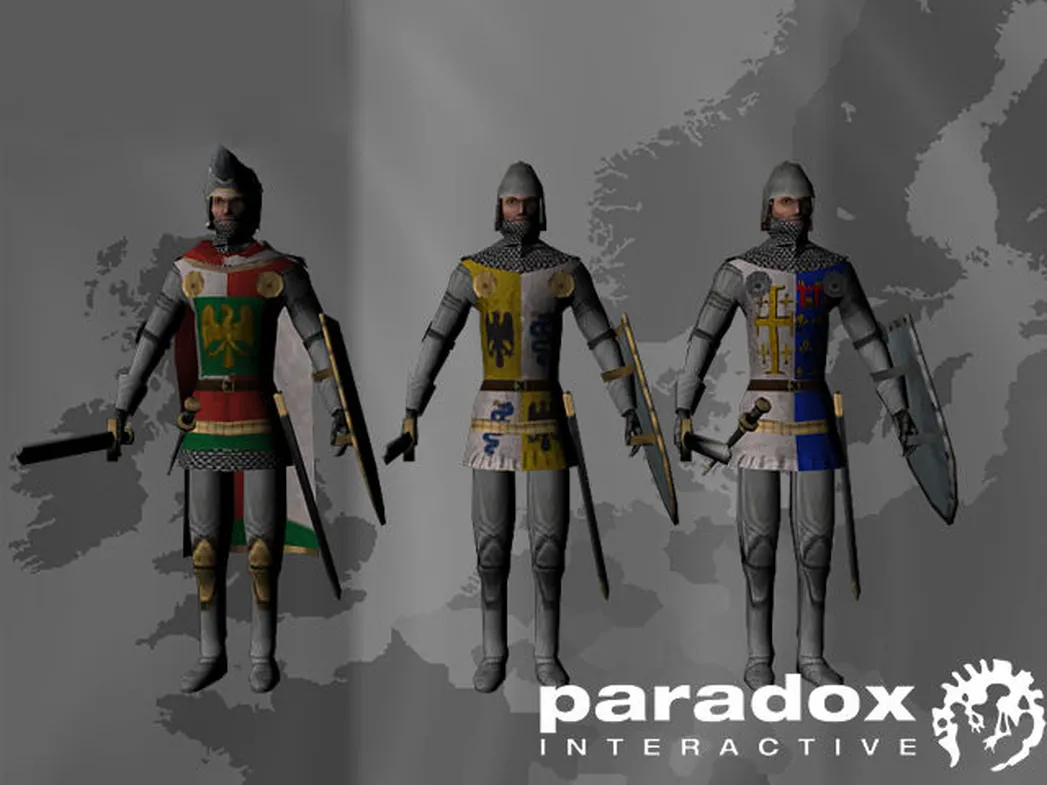
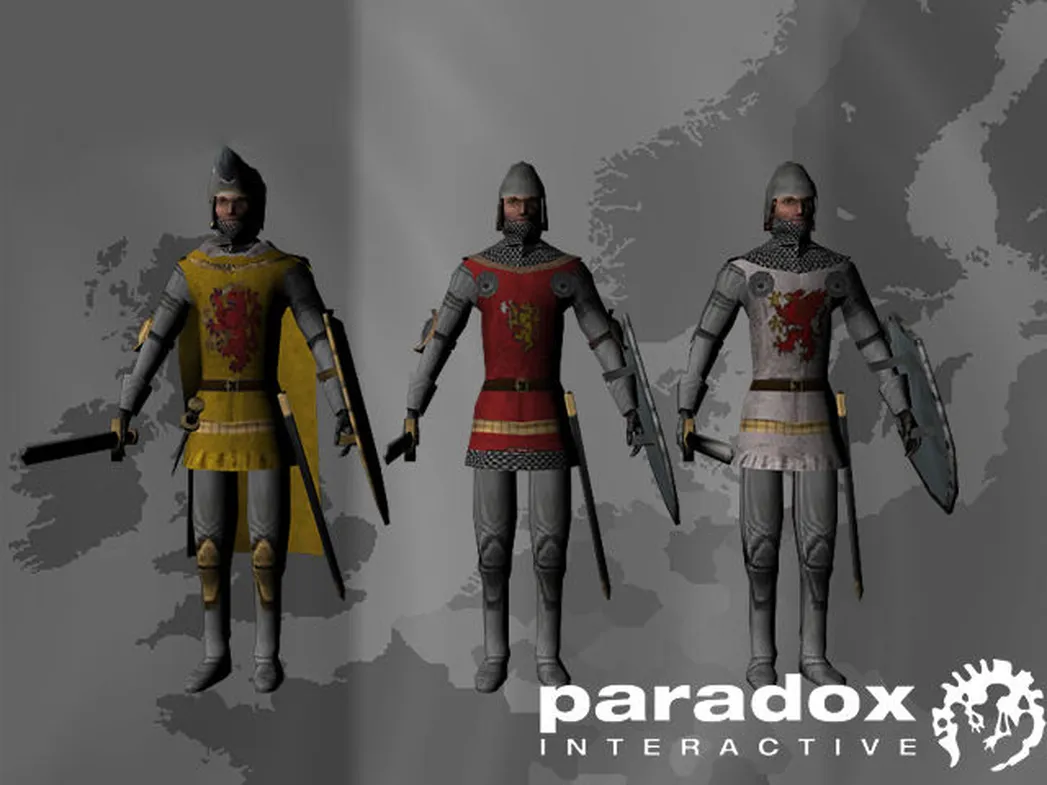
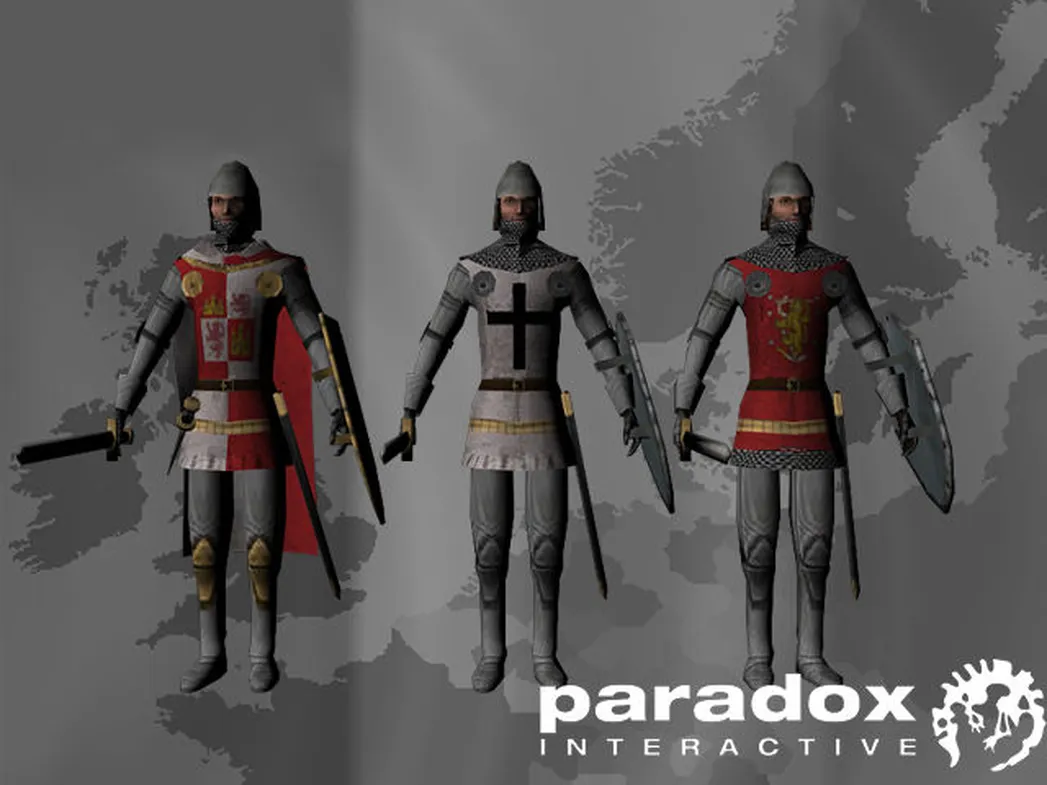
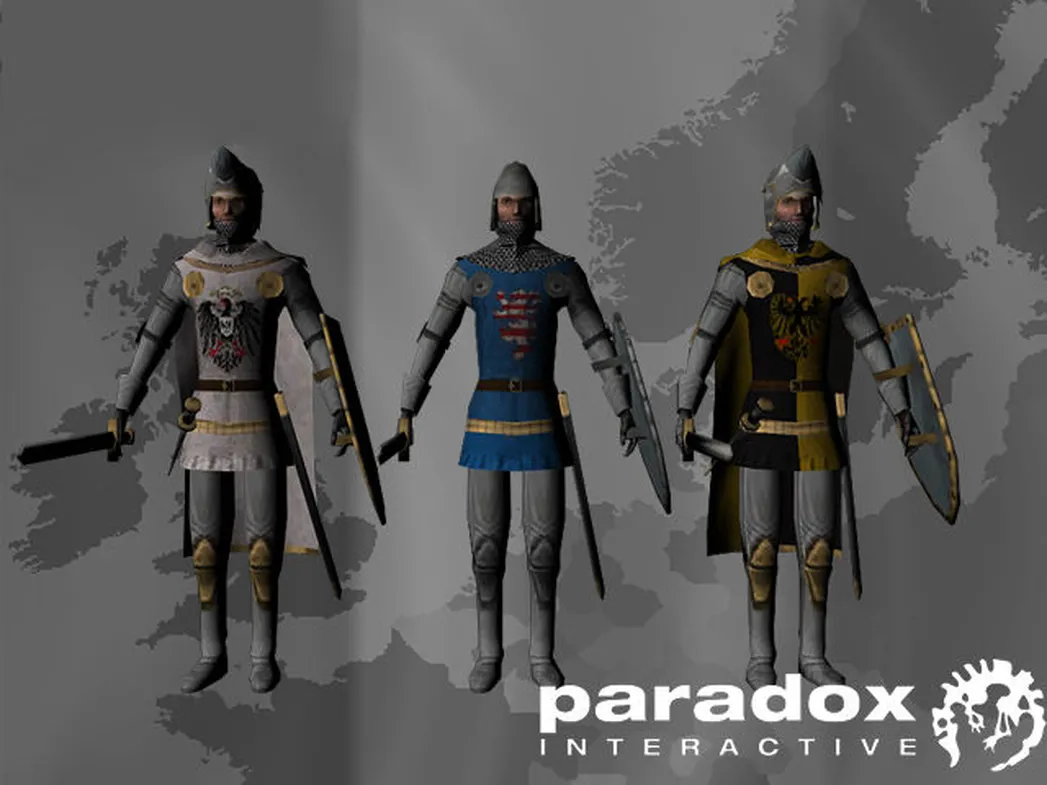
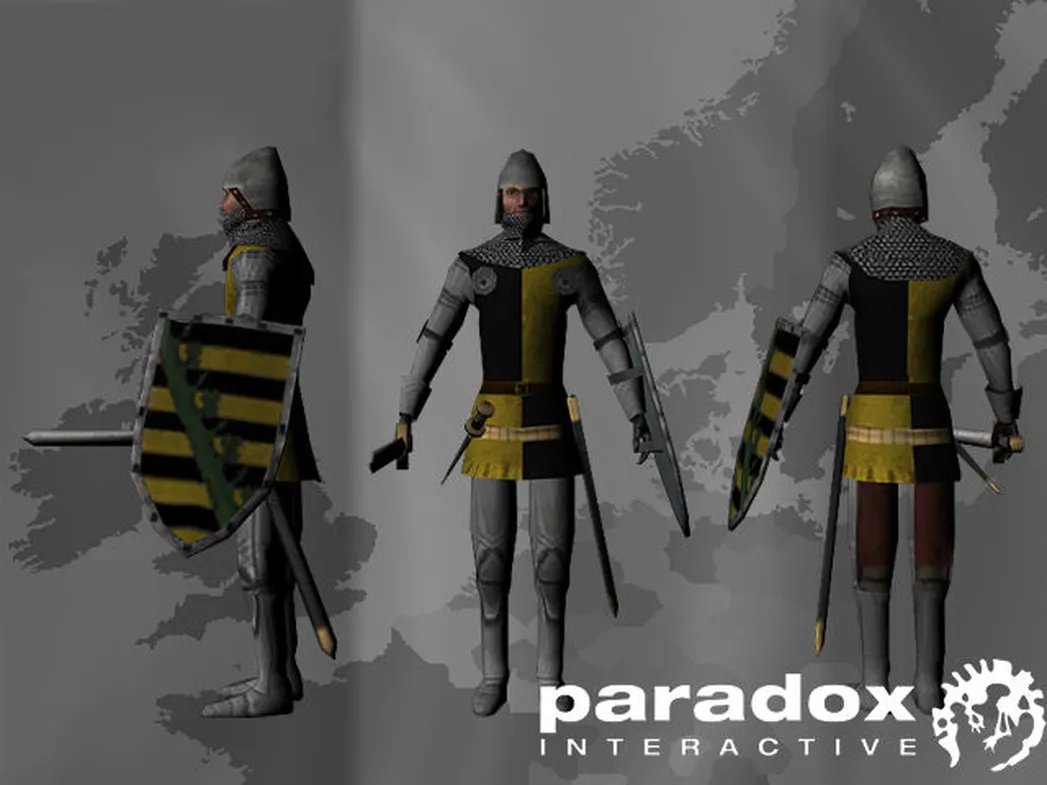
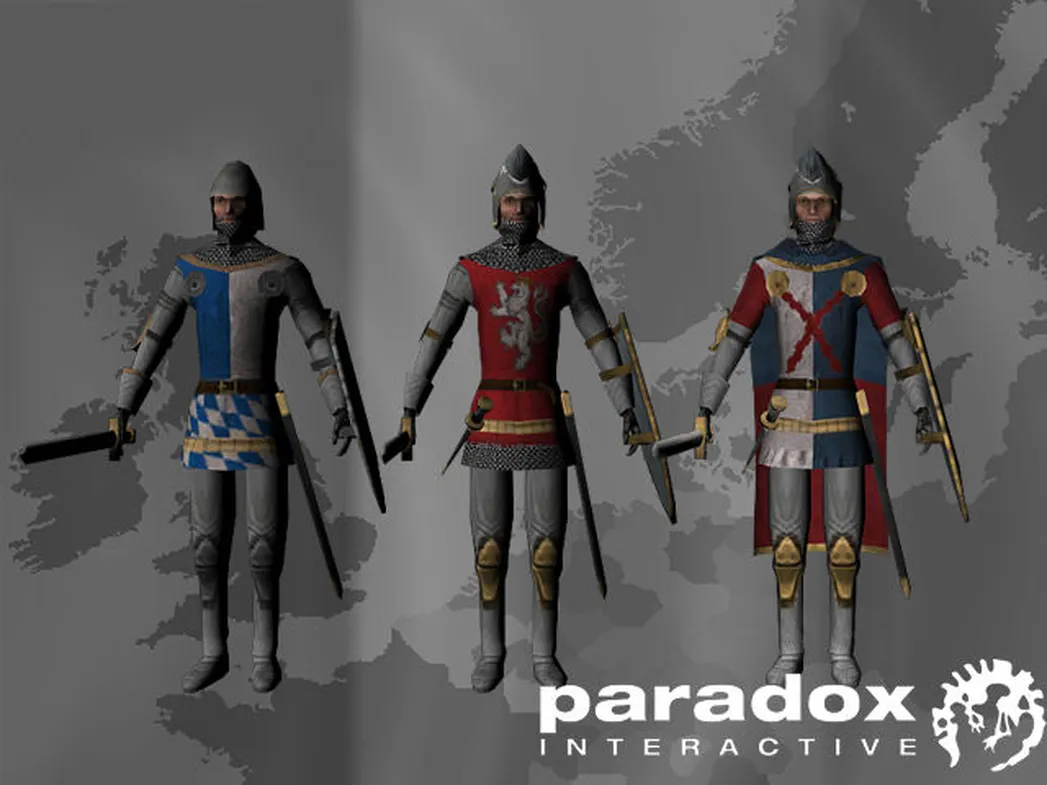
Unit sprites are redesigned with a stronger medieval aesthetic, helping players instantly recognize different factions and troop types during large-scale wars. This improves battlefield clarity in dense campaigns where multiple armies and alliances interact across continents.
The visual upgrade supports the game’s core focus on player agency, where outcomes are shaped by long-term decisions rather than scripted events. Whether forming alliances, expanding territories, or maintaining fragile economies, the enhanced presentation adds emotional weight to every movement on the map.
Designed for PC strategy players, this DLC fits seamlessly into extended campaigns, where immersion builds gradually over hours of gameplay. It does not interrupt existing systems but instead complements them, making it ideal for players who prefer classic grand strategy experiences with subtle presentation improvements.
Replayability remains one of the strongest aspects of Europa Universalis III, and the SpritePack reinforces that by giving each new campaign a slightly different visual tone depending on the nations involved. This helps long sessions feel fresher without altering balance or mechanics.
Best suited for strategy enthusiasts, history-focused players, and those who enjoy slow, thoughtful progression, this DLC enhances immersion in a way that keeps attention on the evolving world. Every campaign still tells a different story, now supported by visuals that make medieval conflicts easier to read and more engaging to watch unfold.
Gameplay
Europa Universalis III – Medieval SpritePack DLC builds on the grand strategy foundation of Europa Universalis III, a PC strategy game focused on managing nations through centuries of political and military change. While the DLC itself is a visual enhancement, gameplay remains rooted in the same deep systems where players guide a country through diplomacy, warfare, trade, and internal development across a shifting medieval and early modern world.
Players spend most of their time navigating a repeating but evolving gameplay loop that blends strategic planning with real-time decision-making. Managing economies, forming alliances, and responding to wars or rebellions are central actions, while exploration and expansion gradually reshape the map. Each choice influences stability and long-term survival, making every campaign feel like a living historical simulation.
Combat is driven by tactical army movement, terrain advantages, and unit composition, where timing and positioning often matter as much as raw numbers. Players must balance military expansion with economic strength, ensuring that wars do not destabilize their growing empire. As nations evolve, technology and administrative upgrades gradually unlock new strategic options, deepening the complexity of late-game decision-making.
Player freedom is a defining part of the experience, allowing different playstyles such as aggressive conquest, diplomatic expansion, or trade-focused growth. The sandbox structure encourages replayability, as no two nations follow the same historical path. Multiplayer adds another layer of unpredictability, where human opponents create dynamic political situations. The Medieval SpritePack DLC enhances this experience visually by giving armies more distinct medieval-era presentation, making long campaigns easier to follow and more immersive over time. This combination of deep strategy systems and refined visual clarity makes it easier for both new and experienced players to stay engaged during long sessions, where every decision carries weight and the world continues to evolve naturally around player actions over time itself.
Story & World
Europa Universalis III – Medieval SpritePack DLC is set within the vast historical world of Europa Universalis III, a grand strategy experience that recreates the political, cultural, and military tensions of the late medieval period and beyond. Rather than telling a single scripted story, the game presents a living historical sandbox where the narrative emerges naturally from shifting borders, rising kingdoms, and collapsing empires across centuries of change.
The world itself spans a richly detailed map of Europe, Asia, Africa, and parts of the New World, representing a time when modern nations were still taking shape. Kingdoms are fragile, alliances are temporary, and power constantly shifts between ambitious rulers, religious influence, and economic ambition. This is not a world that follows a fixed storyline—it is one that reacts and evolves based on political pressure, warfare, and the unpredictable consequences of leadership decisions.
Players step into the role of a national ruler or governing authority, guiding a chosen state through an era defined by expansion, conflict, and discovery. You are not a single hero, but the decision-making force behind an entire nation’s destiny. Every action contributes to a larger historical narrative that unfolds differently in each playthrough, shaped by geography, diplomacy, and timing.
What makes this world feel distinct is its sense of continuity and depth. Borders are not static lines but living reflections of ongoing struggles between cultures, religions, and dynasties. One region may experience decades of stability and prosperity, while another is torn apart by war or succession crises. This unpredictability creates a dynamic historical atmosphere where even small states can rise to prominence or large empires can slowly fracture under pressure.
The Medieval SpritePack DLC enhances this experience by refining the visual identity of armies within this world. As factions move across provinces and engage in conflict, the medieval presentation of units strengthens the feeling of being immersed in a pre-modern era shaped by banners, knights, and early military formations. It does not alter the narrative itself but deepens the visual tone of the historical setting, making each campaign feel more grounded and visually consistent with its era.
Culturally, the world is layered with diverse societies, each influenced by geography, religion, trade routes, and historical rivalries. These differences are not just background details—they actively shape diplomacy and conflict, giving each region a unique political rhythm. From powerful centralized kingdoms to fragmented territories struggling for unity, the world reflects a broad spectrum of medieval governance and ambition.
Over time, the world transforms in response to player actions and AI-driven developments. Empires rise through careful expansion or collapse under mismanagement. Trade networks shift, religious influence spreads, and political alliances reshape entire continents. This creates a long-form narrative structure where history is not written in advance but generated through interaction, making every campaign feel like a new version of an alternate medieval timeline.
At its core, the experience is about observing and influencing a world in motion. There is no single heroic journey, but rather countless overlapping stories of survival, ambition, betrayal, and growth. The Medieval SpritePack DLC subtly enhances this journey by giving visual form to the armies that shape these events, reinforcing the atmosphere of a world constantly being rewritten through human decisions.
Game Modes
Europa Universalis III – Medieval SpritePack DLC expands the visual experience of Europa Universalis III, a deep historical strategy title best known for its flexible, player-driven campaign structure rather than fixed story missions. The game is primarily experienced through its single-player grand campaign mode, where you choose a nation and guide it through centuries of political, economic, and military change. This mode is the core experience and appeals to players who enjoy slow-burn strategy, long-term planning, and emergent storytelling shaped entirely by their decisions.
In single-player, every campaign feels different because the world reacts dynamically to your choices and those of AI-controlled nations. Players can start at different historical points, allowing for varied geopolitical situations that dramatically change early-game strategy. Some runs focus on survival as a small nation, while others involve managing large empires with complex diplomatic responsibilities. The Medieval SpritePack DLC enhances this mode visually, making large-scale wars and territorial expansion feel more grounded in a medieval setting, without altering the underlying mechanics.
Multiplayer mode offers a different kind of experience, where real players replace AI rulers. This creates unpredictable political landscapes shaped by negotiation, rivalry, and shifting alliances. Campaigns in multiplayer often feel more competitive and socially driven, as diplomacy becomes just as important as military strength. It is well suited for players who enjoy strategic thinking under pressure and adapting to human behavior rather than scripted AI patterns.
The game also includes scenario-based starts that allow players to explore specific historical contexts or challenging setups. These scenarios are designed for shorter, more focused play sessions and often highlight unique regional conflicts or imbalanced power situations that require creative problem-solving.
Across all modes, replayability remains one of the strongest aspects of the experience. Whether playing solo or online, each campaign evolves differently based on national choices, global events, and player interactions. The Medieval SpritePack DLC supports this variety by improving visual clarity and immersion across all modes, helping each session feel more distinctive while maintaining the deep strategic foundation the series is known for.
Visuals & Art Style
Europa Universalis III – Medieval SpritePack DLC enhances the visual identity of Europa Universalis III with a focused artistic upgrade that strengthens the game’s medieval atmosphere without changing its core presentation style. The base game already uses a clean, map-driven visual approach typical of grand strategy titles, where the world is viewed from a strategic perspective. This DLC builds on that foundation by refining how military units appear on the map, giving them more era-appropriate detail that better reflects the medieval period.
The overall visual style remains functional and readable, but the SpritePack introduces a noticeable shift in character design for armies. Soldiers, banners, and unit formations are redesigned to feel more grounded in historical aesthetics, with armor styles, insignias, and silhouettes that reflect a pre-modern world. Instead of modern or generic representations, each faction gains a more distinct medieval identity, helping players quickly recognize forces during large-scale conflicts.
Color usage across the game remains restrained and strategic, supporting clarity during complex campaigns where multiple nations interact across continents. The SpritePack complements this by ensuring units stand out clearly against terrain and map layers without disrupting the visual balance. Battles, while viewed from a zoomed-out perspective, feel more alive as movement across provinces is now supported by more expressive and context-aware sprites.
Lighting and environmental presentation stay subtle and consistent with the game’s historical tone. Rather than cinematic effects, the focus is on clarity and long-term readability, which is essential in a game where campaigns can span centuries. The updated sprites blend naturally into this system, reinforcing immersion without overwhelming the interface.
What makes this visual update meaningful is how it enhances emotional engagement during long sessions. Watching armies move, clash, and shift across borders becomes easier to follow and more thematically grounded. The medieval styling helps reinforce the sense of time and progression, making each campaign feel like a living historical timeline rather than just a map of statistics.
Overall, the SpritePack does not redefine the game’s visuals—it sharpens them. It brings a stronger sense of identity to the battlefield, helping players feel more connected to the evolving medieval world they are shaping through strategy, diplomacy, and war.
Technical Requirements
Europa Universalis III – Medieval SpritePack DLC is a visual add-on for Europa Universalis III, a grand strategy PC title focused on large-scale historical empire management. Because it builds on an existing game, system requirements remain essentially the same, with only minimal impact on performance. The game is primarily designed for Windows PC systems, with support also available on Mac versions through compatible releases, and can run on Linux systems via compatibility layers such as Proton where applicable.
Performance is generally smooth even on low-end hardware, as this strategy title is not graphically intensive, relying more on CPU-driven simulation than advanced rendering. On modern systems, players can expect stable frame rates, fast map navigation, and quick loading times, especially during large late-game campaigns. The Medieval SpritePack DLC adds enhanced unit visuals but does not significantly affect performance scaling, making it suitable for both older laptops and high-end desktop setups.
Controls are built around a classic keyboard and mouse interface, optimized for precise map interaction, menu navigation, and rapid strategic decision-making. Full hotkey support and remapping options allow players to tailor controls to their preferred playstyle, whether they are new to grand strategy or experienced veterans.
Accessibility options include scalable UI elements, adjustable game speed, pause functionality for turn-based thinking moments, and clear text readability designed for long play sessions. Subtitles and audio cues support better understanding of in-game notifications, while customizable settings help players adapt visual and interface elements to their comfort.
Overall this DLC is lightweight and easy to run, ensuring that players can focus on long-form strategic gameplay without hardware concerns. Whether playing on an older system or a modern setup, the experience remains consistent, stable, and fully accessible for extended grand strategy campaigns across multiple sessions and playstyles alike with smooth performance and reliable controls throughout gameplay.
Who Is This Game For?
Europa Universalis III – Medieval SpritePack DLC is best suited for players who enjoy deep, long-form strategy experiences where decisions matter more than reflexes. At its core, it complements the grand strategy framework of Europa Universalis III, a title designed for thoughtful planning, patience, and historical simulation. This is a game for people who like to step back, look at a world map, and gradually shape the rise and fall of nations over centuries rather than chasing fast-paced action.
If you enjoy games where you manage economies, negotiate alliances, and carefully plan military campaigns, this experience will feel natural. It appeals strongly to strategy-focused players who like understanding systems, optimizing decisions, and watching long-term consequences unfold. The DLC itself is especially fitting for players who value immersion through presentation, as it enhances how medieval armies look and feel without changing the underlying mechanics.
This is also a good match for players who prefer single-player campaigns where they can progress at their own pace, pause, think, and experiment with different nations and strategies. Multiplayer can also be engaging if you enjoy unpredictable human-driven diplomacy, but the core appeal remains the single-player sandbox experience where every campaign tells a different emergent story.
However, if you are looking for fast action, direct character control, or instant progression rewards, this may feel slower and more methodical than other genres. The experience is built around planning and patience rather than constant visual stimulation or quick victories. That said, many players grow into this style over time once they enjoy the satisfaction of long-term strategic success.
What makes this DLC appealing to its audience is how it respects that pace. Instead of overwhelming players with complexity, it refines the visual identity of battles, making long sessions easier to read and more engaging to follow. It is ideal for players who enjoy history, simulation, and systems-driven gameplay where every choice contributes to a larger unfolding narrative across time.
FAQ
What kind of game is Europa Universalis III – Medieval SpritePack DLC?
It is a visual DLC for Europa Universalis III, a grand strategy game focused on managing nations through centuries of political, economic, and military development. The DLC does not change gameplay mechanics; it enhances the medieval look of armies for better immersion.
Does it change gameplay or add new mechanics?
No. This DLC is purely visual. It updates unit sprites to better reflect medieval-era aesthetics while keeping all core systems like diplomacy, warfare, and trade exactly the same.
Is it single-player or multiplayer?
The base game supports both single-player and multiplayer. Most players experience it as a long-form single-player strategy sandbox, while multiplayer adds competitive and diplomatic interactions with real players.
What platforms does it support?
It is designed for PC, with availability through major digital storefronts. It runs on Windows and can also be played on compatible Mac or Linux setups using supported compatibility tools.
What are the system requirements like?
Since it is an older grand strategy title with a lightweight DLC, it runs well on most modern and older PCs. It is not graphically demanding, so even modest hardware can handle it smoothly.
Is the game beginner-friendly?
It has a learning curve. Casual players may need time to understand its systems, but it becomes very rewarding once you get comfortable with long-term planning and strategy.
How much replay value does it offer?
Very high. Each campaign plays differently depending on the nation you choose, your decisions, and how the world evolves over time.
Does it require online play?
No. The game can be played fully offline in single-player mode. Online access is only needed for multiplayer.
Who will enjoy this DLC the most?
It is best for strategy fans, history enthusiasts, and players who enjoy slow-paced, thoughtful gameplay with strong replayability and immersive medieval presentation.
FAQ
Operating System (OS)
Other Details

Languages

Reviews
There are no reviews yet.