

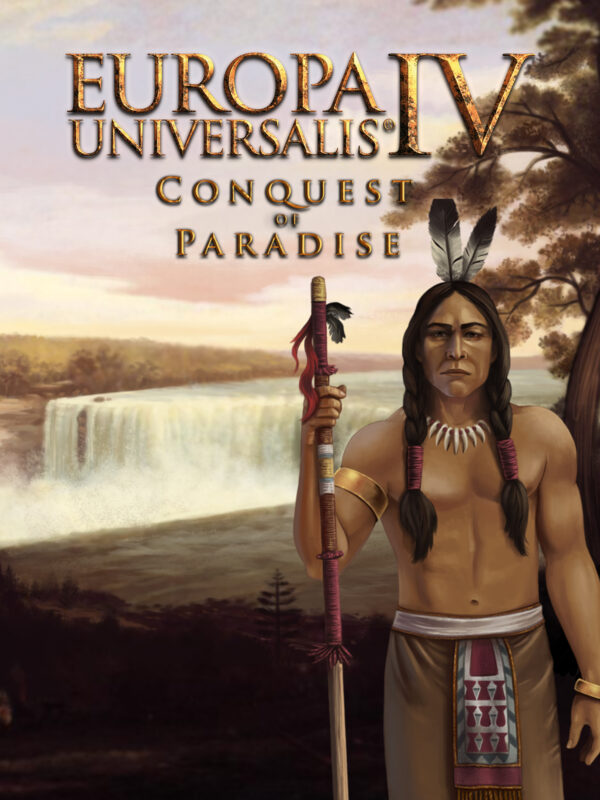
Europa Universalis IV – Conquest of Paradise Expansion PC Steam CD Key
50 in stock
Sold by: OMG Gamer






Delivery24/7
supportVerified
Sellers

Product Description
Europa Universalis IV – Conquest of Paradise Expansion PC Steam CD Key
Quck Intro
Europa Universalis IV – Conquest of Paradise expands the grand strategy experience into the uncharted territories of the New World, giving players the freedom to shape history in unexpected ways. Set during the age of exploration, this expansion introduces dynamic colonial regions, randomized maps, and the ability to play as native nations, each with their own unique mechanics and challenges. Whether you’re guiding a European power across the Atlantic or building a thriving indigenous empire, the game focuses on strategic decision-making, diplomacy, and long-term planning. With deeper exploration systems and evolving political landscapes, it offers a fresh layer of unpredictability that keeps every campaign engaging. It’s a compelling choice for players who enjoy historical strategy games with high replayability and meaningful player-driven outcomes.
About
Europa Universalis IV – Conquest of Paradise is a grand strategy expansion that reimagines the age of discovery, placing players at the center of one of history’s most transformative eras. Built for those who enjoy deep, systems-driven gameplay on PC, it enhances the core experience of Europa Universalis IV by opening up the New World in ways that feel dynamic, unpredictable, and entirely player-shaped.
At its heart, the game is about guiding a nation through centuries of exploration, expansion, and survival. Players spend their time managing resources, navigating diplomacy, and making long-term strategic decisions that ripple across generations. Whether you’re leading a European empire into unknown lands or stepping into the role of a native civilization defending and evolving your territory, every campaign unfolds differently. The addition of randomized maps and evolving colonial regions means no two playthroughs feel the same, keeping the gameplay loop fresh and engaging.
What sets this expansion apart is how it shifts perspective. Instead of focusing only on colonization, it gives equal depth to indigenous nations, allowing players to experience growth, reform, and resistance from a completely different angle. This creates a more balanced and immersive strategy experience, where exploration is not just about conquest, but also adaptation and identity.
This is a game for thoughtful, strategic players who enjoy planning several steps ahead, experimenting with different approaches, and watching their decisions shape a living world. It rewards patience, curiosity, and creativity, offering a slower but deeply satisfying pace compared to more action-driven titles.
For those willing to invest the time, Conquest of Paradise offers a rich, evolving journey where every decision feels meaningful and every new world discovered feels like it truly belongs to you.
Key Features
• Step into a grand strategy experience on PC where every decision shapes the fate of your nation. You guide your empire through exploration, diplomacy, trade, and expansion, balancing short-term survival with long-term dominance across a living, evolving world.
• Explore a dynamically generated New World that changes with every campaign. Unlike traditional strategy games with fixed maps, this system creates fresh geography, resources, and challenges, encouraging discovery and making each playthrough feel unique.
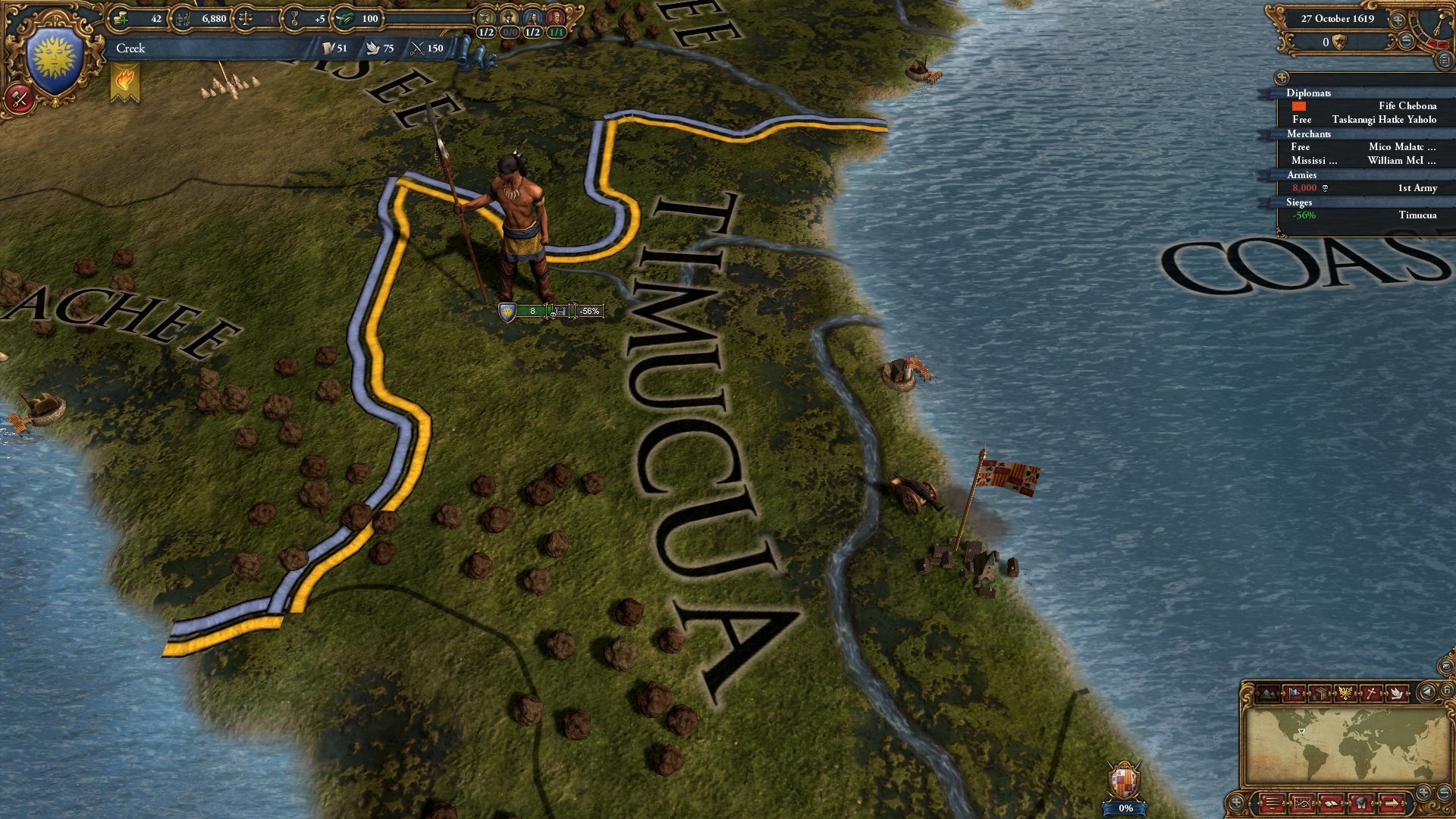
• Play from multiple perspectives, including both European colonial powers and native nations. Indigenous gameplay introduces distinct mechanics focused on tribal development, migration, and reform, offering a different pace and strategy compared to expansion-driven empires.
• Engage in a deep gameplay loop built around planning, adapting, and reacting. You’ll manage economies, negotiate alliances, and make critical political decisions, all while responding to shifting global power dynamics that can quickly alter your strategy.
• Experience meaningful player choice with long-term consequences. From deciding where to colonize to how to interact with other civilizations, every action influences your nation’s identity and future, giving you a strong sense of control and ownership.
• Discover a layered progression system where nations evolve over time. Whether modernizing a native society or strengthening a colonial empire, growth feels organic and tied to your decisions rather than scripted paths.
• Enjoy high replayability driven by randomness, strategic freedom, and diverse starting conditions. No two campaigns unfold the same way, making it a strong fit for players who enjoy experimenting with different strategies and outcomes.
• Designed for thoughtful, strategy-focused players, the game rewards patience and planning, offering a slower, more deliberate experience that emphasizes depth over speed.
Gameplay
Europa Universalis IV – Conquest of Paradise builds on the core grand strategy gameplay by placing a stronger emphasis on exploration, adaptation, and long-term empire building. From the moment you begin, you’re making decisions that shape your nation’s direction choosing where to expand, how to manage resources, and when to engage in diplomacy or conflict. The experience is less about quick action and more about careful planning, where every move carries weight over decades of in-game time.
The main gameplay loop revolves around expanding your influence while maintaining stability. You’ll send explorers into unknown territories, establish colonies, manage trade networks, and respond to shifting political landscapes. For players choosing native nations, the loop changes significantly, focusing on migration, tribal growth, and gradual reform into more advanced societies. This dual perspective adds variety and keeps the gameplay feeling fresh across multiple campaigns.
Combat exists as part of a broader strategic system, where preparation often matters more than execution. Building armies, securing alliances, and timing wars correctly can determine success or failure. At the same time, exploration mechanics introduce uncertainty, especially with randomized maps that challenge you to adapt rather than rely on memorized strategies.
Progression unfolds naturally as your nation evolves. Technologies, ideas, and reforms unlock new possibilities, while increasing complexity demands smarter decision-making. The difficulty scales with your growth, encouraging players to refine their approach over time.
Whether played solo or in multiplayer, the game offers a flexible pace that suits strategic thinkers who enjoy freedom, experimentation, and the satisfaction of watching their choices shape a living world.
Story & World
Europa Universalis IV – Conquest of Paradise is set during the age of exploration, a time when vast parts of the world remained unknown to European powers and rich, diverse civilizations thrived across the Americas. Rather than telling a single, fixed story, the game creates a living historical sandbox where the narrative emerges through your decisions. It places you in a world defined by ambition, uncertainty, and cultural столкर्ष, where the promise of discovery is matched by the risks of the unfamiliar.
At the center of this world is the idea of expansion into the New World, a land that can be either historically grounded or entirely reimagined through randomized generation. This shifting landscape gives the setting a sense of mystery that few historical strategy games capture. Coastlines, territories, and resources may not always align with expectations, creating a feeling of true exploration rather than simply following known paths. It transforms the Americas into a space that feels undiscovered again, even for players familiar with history.
You take on the role of a guiding force behind a nation, whether it’s a European power looking to establish colonies across the ocean or a native civilization seeking to preserve, adapt, and grow within its homeland. This dual perspective adds depth to the narrative. From one side, the world is filled with opportunity and expansion; from the other, it becomes a story of resilience, identity, and transformation in the face of external pressure. The tension between these viewpoints creates a more layered and human portrayal of history.
The atmosphere of the game is shaped by slow, deliberate change. Empires rise over decades, cultures interact and evolve, and borders shift as a result of both cooperation and conflict. There is no single protagonist, yet every nation feels like it carries its own story, shaped by geography, tradition, and the choices you make along the way. The world feels alive not because it follows a script, but because it reacts subtly and sometimes unpredictably to the direction you take.
What makes this setting stand out is its sense of scale and possibility. You are not just exploring land, but navigating a world of competing ambitions and perspectives. The New World is not simply a destination; it is a stage where different cultures meet, clash, and redefine themselves. Every decision contributes to a broader narrative that unfolds organically, making each campaign feel like a unique chapter in a larger historical tapestry.
For players drawn to immersive strategy experiences, this world offers a compelling blend of realism and unpredictability. It invites you to step into a moment of global change and shape it in your own way, creating a story that feels both personal and expansive at the same time.
Game Modes
Europa Universalis IV – Conquest of Paradise is built around a sandbox-style grand strategy experience, where the primary mode is a deep single-player campaign that unfolds over centuries. Here, you guide a nation through exploration, expansion, and cultural evolution at your own pace. There’s no fixed storyline pushing you forward, which makes it especially appealing for players who enjoy shaping their own narrative and experimenting with different strategies. Each campaign feels distinct, particularly with the introduction of a randomized New World, adding unpredictability to every session.
For those who prefer shared or competitive experiences, the game also supports multiplayer campaigns where multiple players control different nations within the same world. These sessions can be cooperative, competitive, or a mix of both, depending on how players choose to interact. Alliances, betrayals, and negotiations become far more dynamic when dealing with real people, creating a more intense and often unpredictable pace compared to solo play.
What makes these modes engaging over time is the sheer variety in how they can be approached. A single-player campaign can be a slow, thoughtful experience focused on long-term planning, while multiplayer sessions often feel more reactive and socially driven. The freedom to choose different nations, combined with evolving world conditions, ensures that no two playthroughs feel identical.
Whether you’re a solo strategist who enjoys careful decision-making or someone who thrives in competitive, player-driven environments, the game offers flexible ways to engage with its systems, keeping the experience fresh across repeated sessions.
Visuals & Art Style
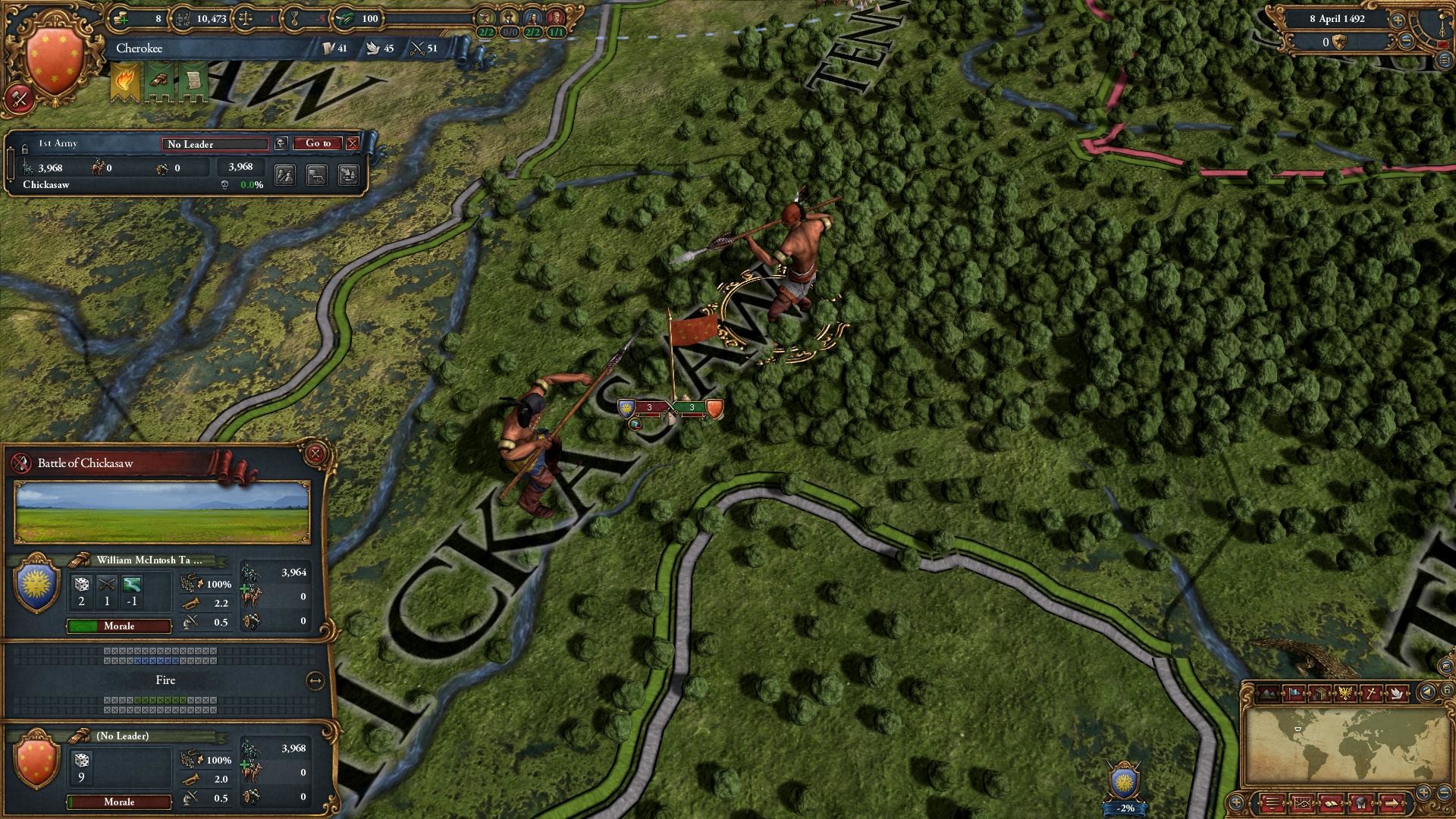
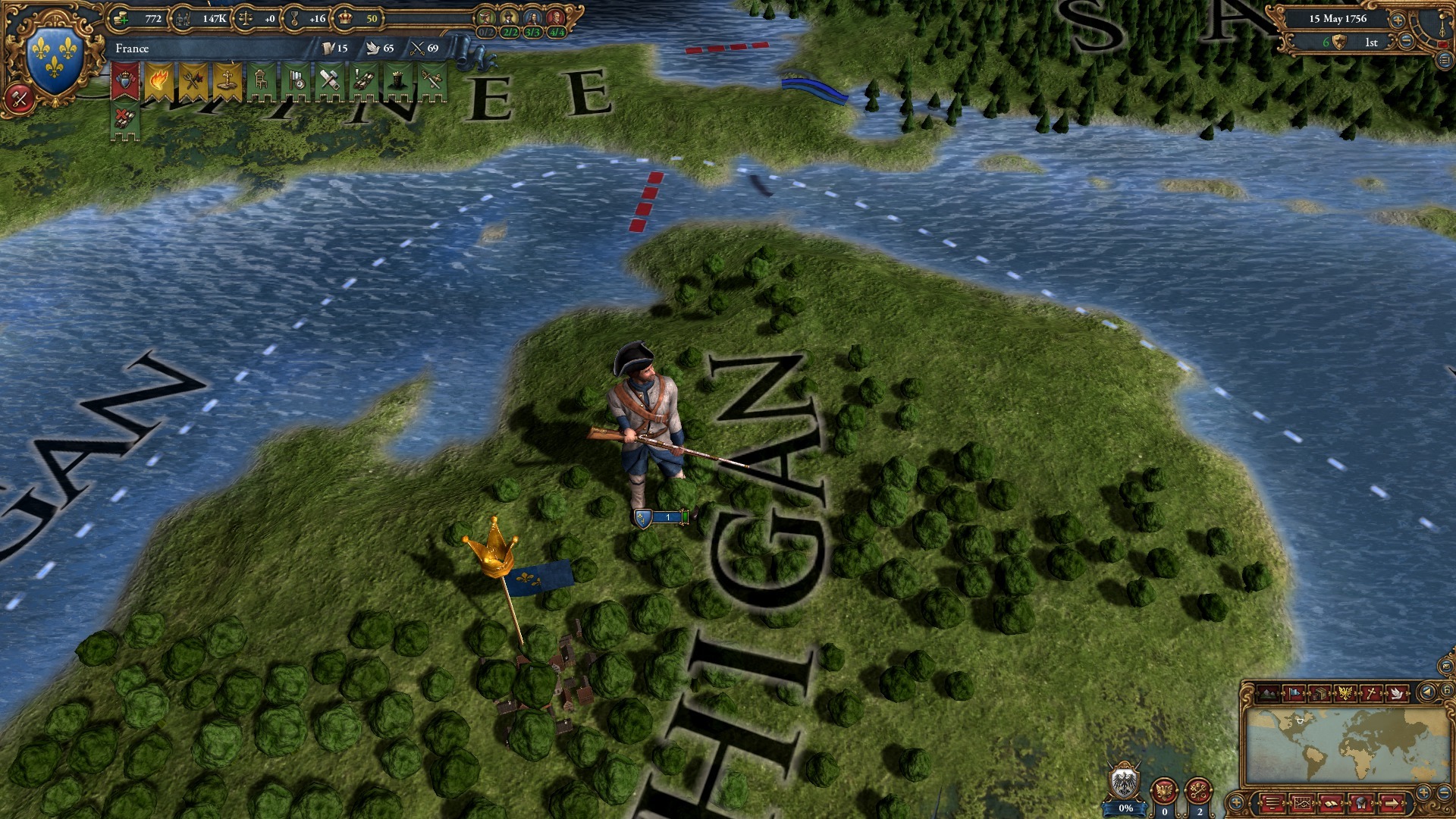
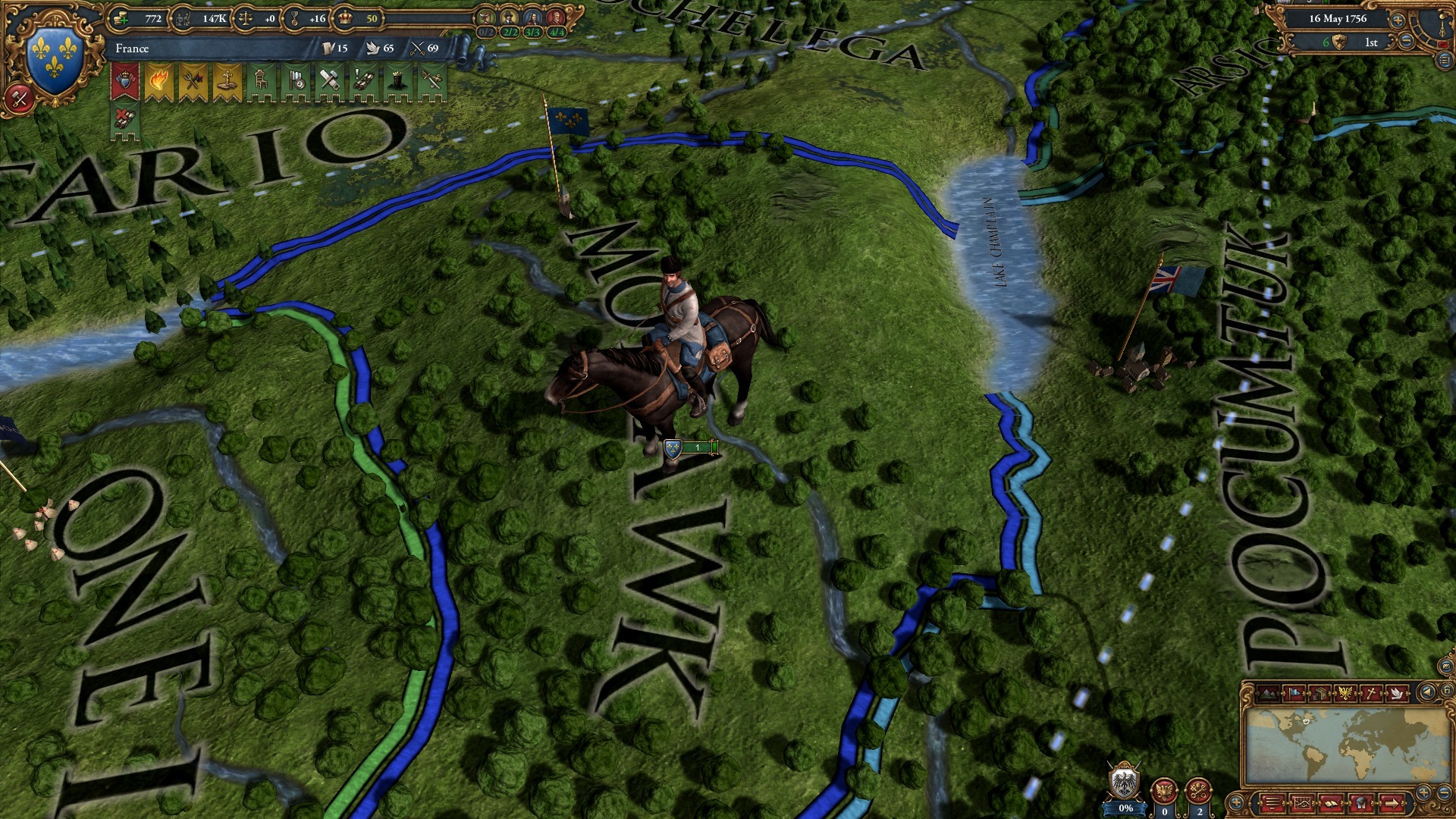
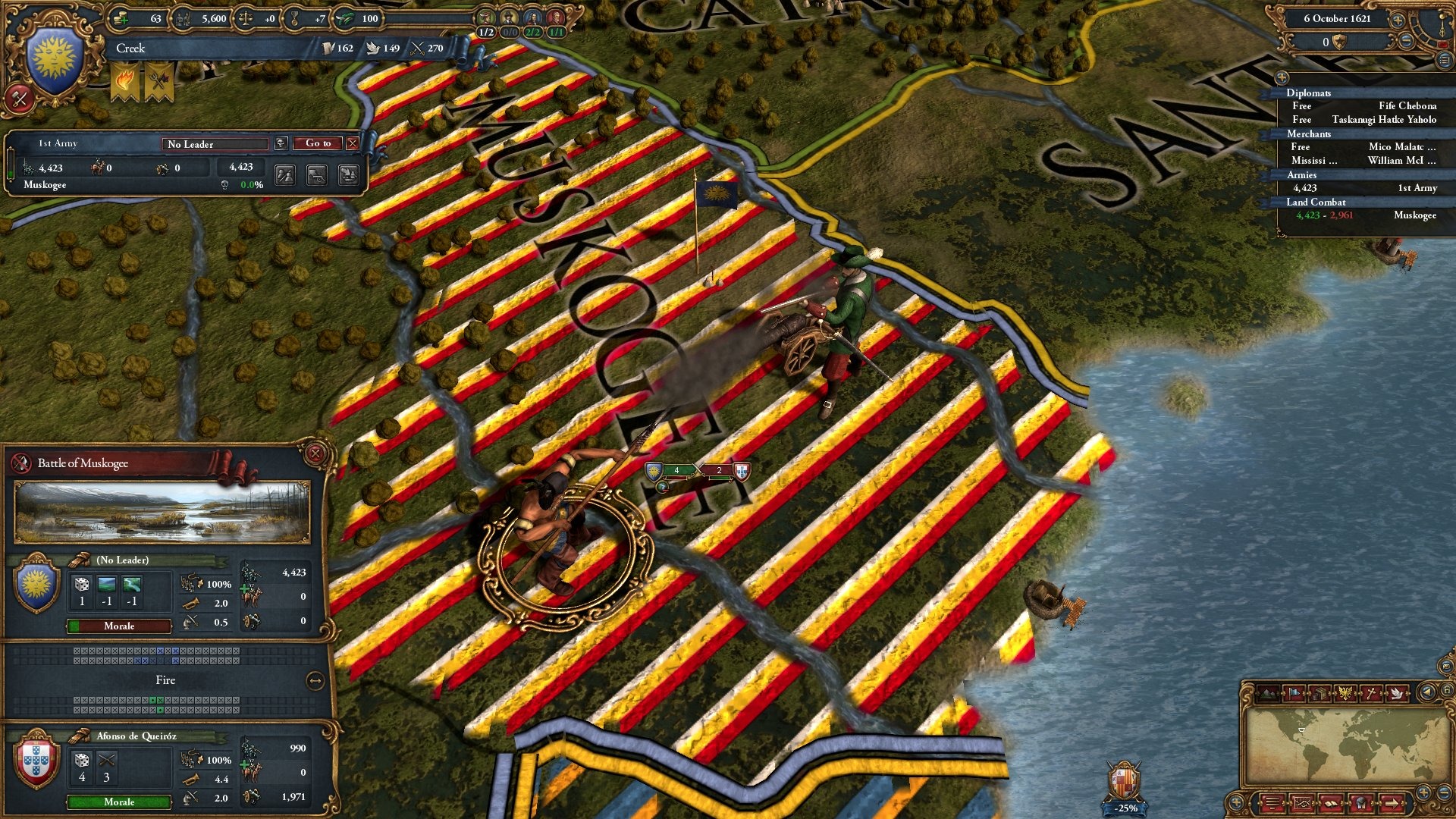
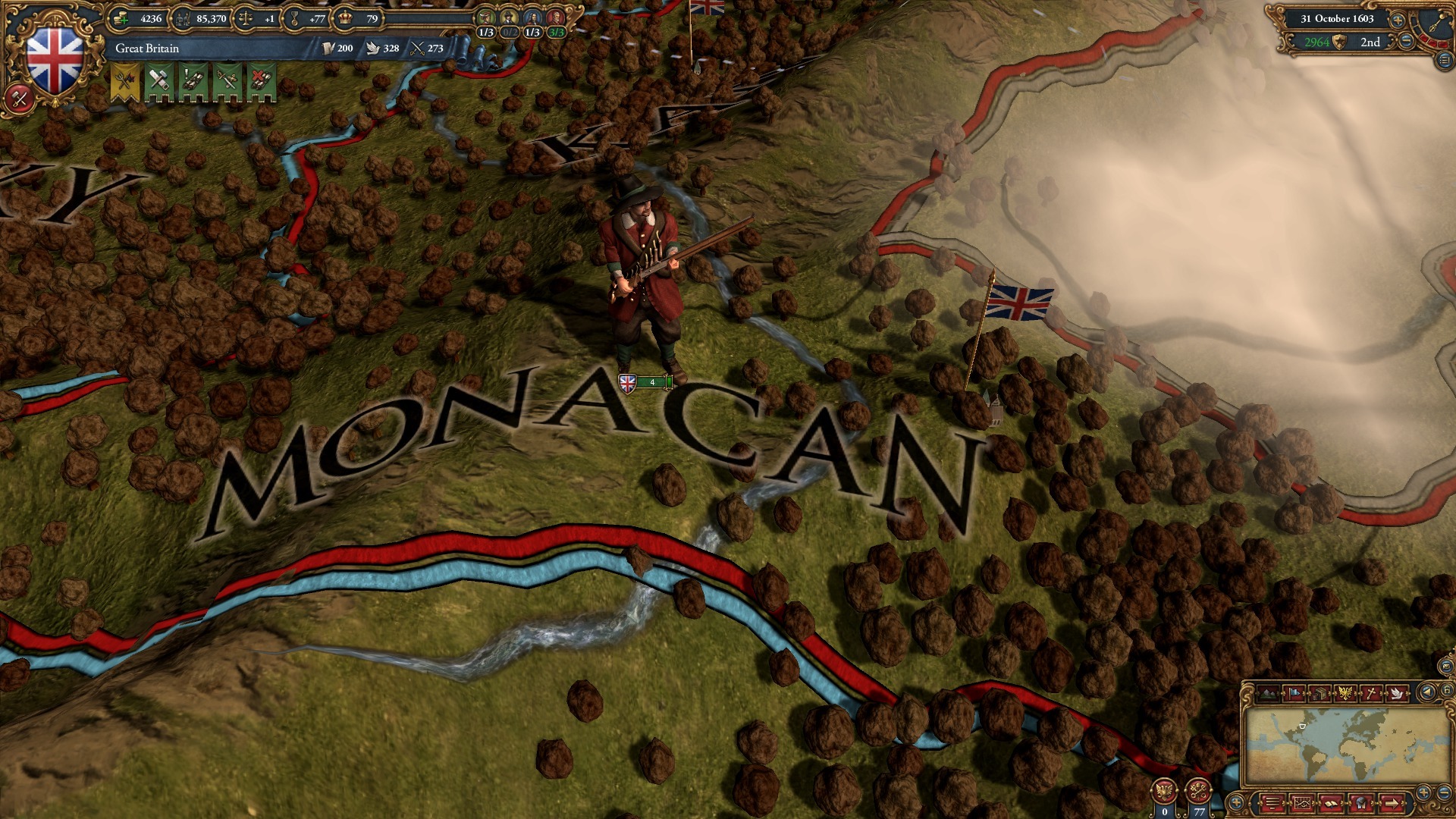
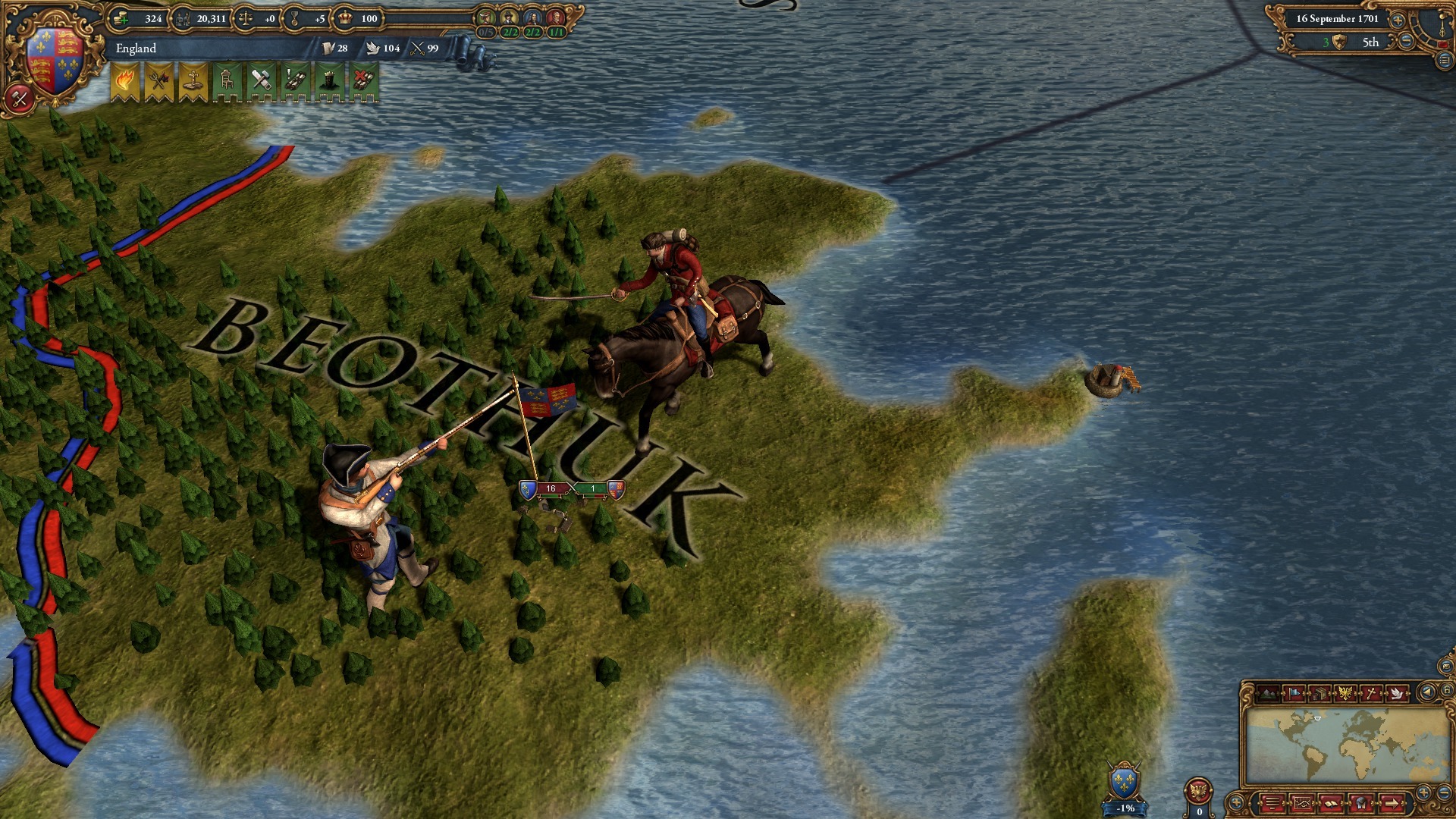
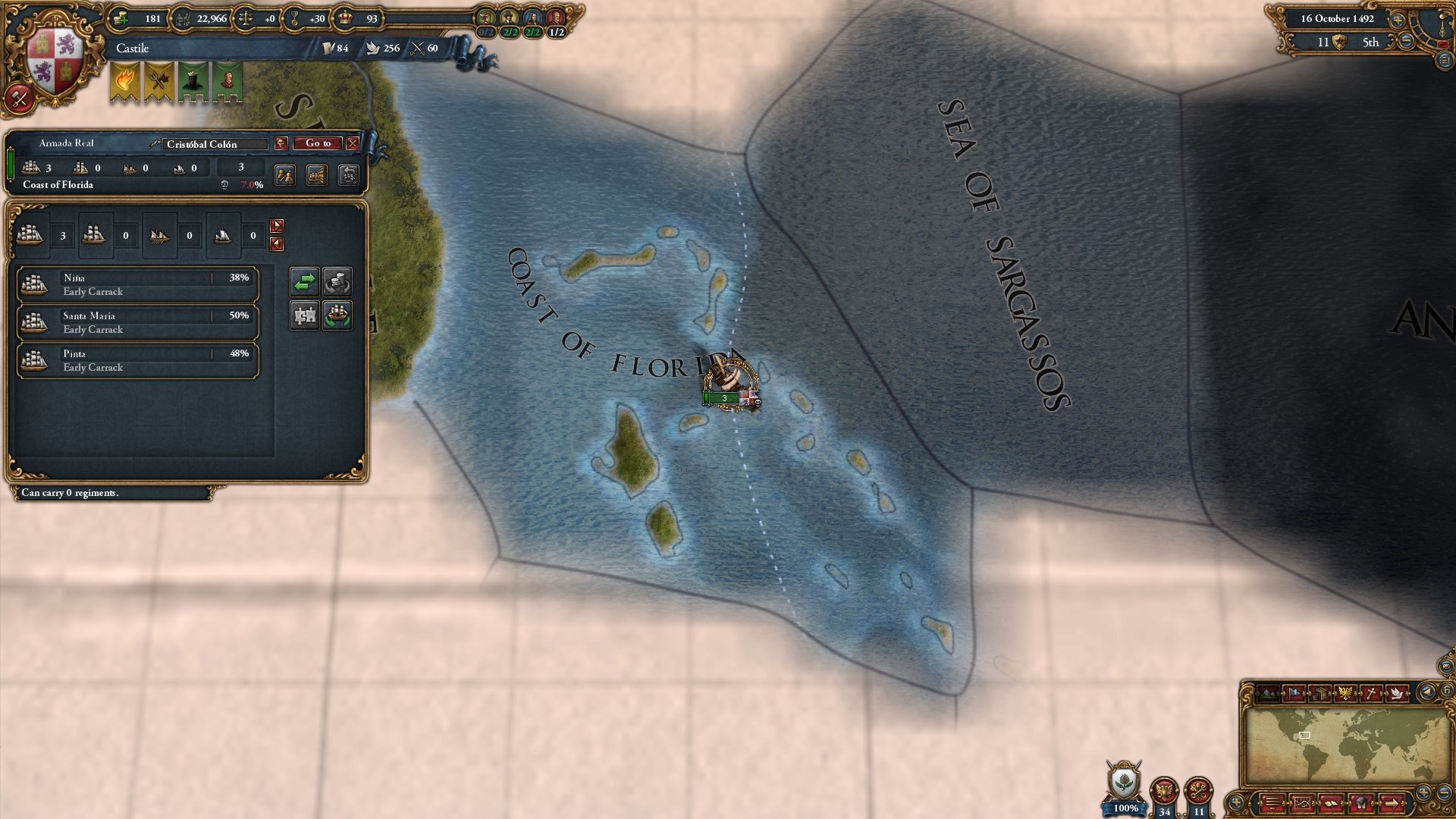
Europa Universalis IV – Conquest of Paradise leans into a clean, map-focused visual style that prioritizes clarity while still capturing the atmosphere of a changing world. At a glance, the game presents itself as a detailed political map, but the longer you spend with it, the more its layered presentation begins to stand out. Borders shift in real time, colors evolve as empires rise and fall, and the world slowly transforms based on your decisions, giving the map a sense of life rather than feeling static.
The art direction uses a soft, parchment-inspired palette mixed with subtle lighting effects that reflect the era of exploration. Oceans feel vast and uncertain, while newly discovered lands carry a muted, almost mysterious tone that reinforces the idea of venturing into the unknown. When the New World is randomized, this visual identity becomes even more impactful, as unfamiliar coastlines and regions make exploration feel genuinely fresh.
Menus, icons, and interface elements are designed with a historical touch, resembling old documents and navigational tools without overwhelming the screen. This balance between function and style ensures that even as you manage complex systems, the presentation remains readable and immersive.
There are no cinematic character models or dramatic cutscenes here, but that absence is intentional. Instead, the focus is on the world itself its scale, its shifting borders, and the quiet storytelling told through geography and change. It’s a visual approach that complements the slow, thoughtful pace of the game, drawing players into a world that feels both strategic and atmospheric at the same time.
Technical Requirements
Europa Universalis IV – Conquest of Paradise is designed primarily for PC players and is available through platforms like Steam, with support for Windows, macOS, and Linux systems. As an expansion to a grand strategy title, it doesn’t demand cutting-edge hardware, but it does benefit from a stable, well-balanced setup. On the lower end, a system with a dual-core processor, 4GB of RAM, and integrated graphics can run the game, though larger campaigns with multiple nations may slow down during late-game scenarios. For a smoother experience, especially during complex simulations, a modern multi-core CPU, 8GB or more RAM, and a dedicated GPU help maintain consistent speed and responsiveness.
Performance in the game is less about high frame rates and more about processing power, as the simulation runs continuously in real time. Load times are generally quick on SSDs, and the game scales well across different systems by allowing players to adjust graphical details and map rendering. Even on modest hardware, it remains playable with slight compromises in visual smoothness, while higher-end setups benefit from faster processing during large-scale global interactions.
Controls are built around a keyboard and mouse setup, offering precise navigation across menus, maps, and diplomatic systems. The interface is dense but intuitive once learned, with customizable keybindings that allow players to tailor inputs to their preferences. Controller support is limited, reflecting the game’s focus on detailed strategy management rather than console-style input.
Accessibility is handled through practical options like adjustable game speed, scalable UI, and clear text displays that make information easier to read. While it doesn’t rely heavily on cinematic elements, its clean interface and flexible pacing make it approachable for both new players and experienced strategy fans looking for a controlled, thoughtful gameplay experience.
Who Is This Game For?
Europa Universalis IV – Conquest of Paradise is best suited for players who enjoy deep, thoughtful strategy experiences where patience and planning matter more than quick reactions. If you like grand strategy games that unfold over long periods of time, with systems built around diplomacy, exploration, and long-term progression, this expansion adds meaningful depth to that style of gameplay. It’s particularly appealing to players who enjoy shaping their own narrative, as the sandbox design allows you to experiment with different nations, approaches, and outcomes without being locked into a fixed path.
Players who are drawn to historical settings will find a lot to appreciate here, especially with the focus on the age of exploration and the evolving relationship between Old World powers and the New World. The added ability to play as native nations opens up a different kind of player experience, one that rewards adaptability and a slower, more deliberate pace. It’s a strong fit for those who enjoy replayability, as each campaign can unfold in unexpected ways thanks to dynamic world elements and player-driven decisions.
At the same time, this isn’t a game for everyone. If you prefer fast-paced action, direct control over characters, or instant feedback, the slower tempo and layered systems may feel overwhelming at first. There’s a learning curve, and the game expects you to invest time in understanding how its mechanics connect.
For players willing to engage with its depth, however, it offers a rewarding sense of control and discovery. It’s the kind of experience that suits strategic thinkers, curious explorers, and anyone who enjoys watching their decisions shape a world over time.
FAQ
What kind of game is Europa Universalis IV – Conquest of Paradise?
It’s a grand strategy expansion focused on exploration and empire-building during the age of discovery. You guide a nation over centuries, making decisions about diplomacy, expansion, and survival in a dynamic historical sandbox.
Who is this game best suited for?
It’s ideal for players who enjoy deep, strategic gameplay and long-term planning. If you like slow-paced, thoughtful experiences with high replayability, it’s a strong fit. Casual players can enjoy it too, but should expect a learning curve.
How does the gameplay feel moment to moment?
You’ll spend most of your time managing your nation, exploring new lands, forming alliances, and reacting to global events. The pace is steady and rewarding, with decisions that have lasting impact rather than instant results.
Does it support single-player and multiplayer?
Yes, you can play solo in a sandbox campaign or join multiplayer sessions with others. Multiplayer adds a more unpredictable, social layer through real-time diplomacy and competition.
What platforms is it available on, and will it run on my system?
It’s available on PC via platforms like Steam, with support for Windows, macOS, and Linux. It runs on modest hardware, but performs best with a modern processor and sufficient RAM.
How much replay value does it offer?
A lot. Randomized maps and different nations create unique scenarios, so each campaign feels different and encourages experimentation.
Do I need the base game to play this?
Yes, this is an expansion and requires the base Europa Universalis IV to play.
Can it be played offline?
Single-player works offline, though online connectivity is needed for multiplayer and updates.
Are there accessibility options?
The game includes adjustable speed, scalable interface, and clear text-based systems, making it easier to manage and understand over time.
Operating System (OS)
Other Details

Languages




Reviews
There are no reviews yet.